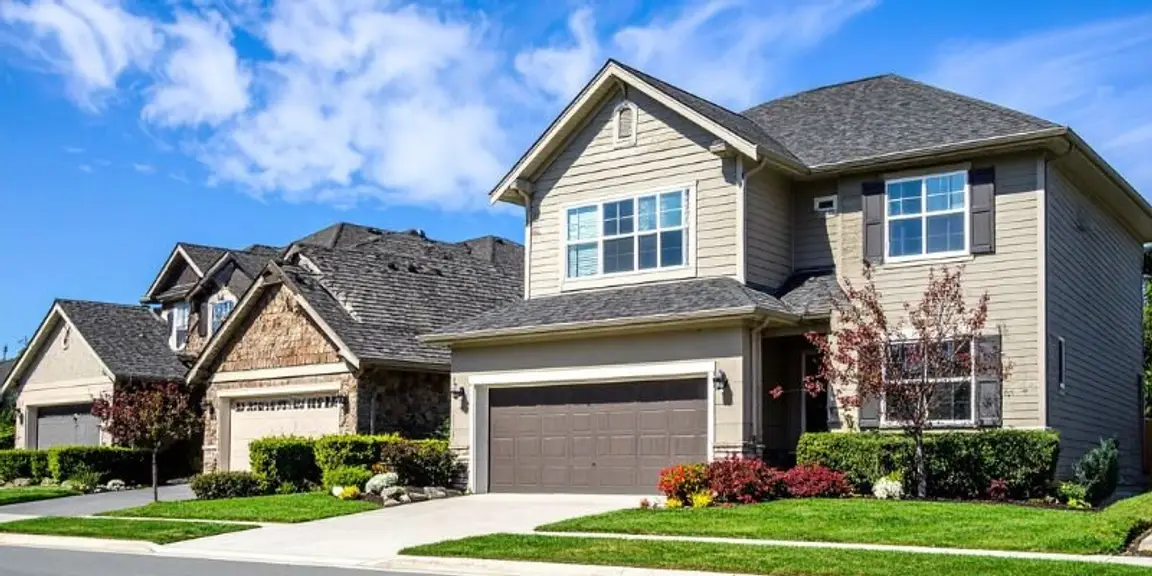

Months go by fast, and somewhere in that stretch, a house stops being a property you’re managing and starts becoming a property that manages you.
Why Empty Homes Deteriorate Faster Than Most Owners Expect
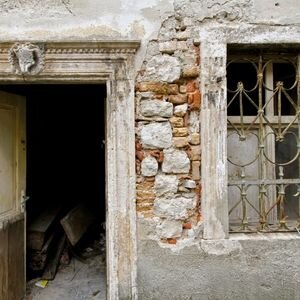
Back in March, I got a call from the Mitchell family in New Hope, Minnesota. Their mother had passed, and her house had been sitting empty since December while two separate agent listings came and went with zero offers. By the time they reached out, what started as a tidy three-bedroom had a slow roof leak soaking into the back bedroom ceiling, an HVAC system that hadn’t run in months, and a garage full of furniture nobody had sorted through yet. Three months of vacancy had cost them thousands in repairs they hadn’t budgeted for, which is precisely the kind of number that surprises grieving families the most.
A house with people living in it gets constant, invisible maintenance: someone notices the dripping faucet, someone feels the draft, someone smells the mildew before it becomes mold. Take the occupants out, and none of that happens. Water pipes sweat and slowly corrode, unnoticed. Pests find entry points where nobody’s around to catch them. Moisture settles unchecked in basements and crawl spaces. The structure doesn’t care that you’re dealing with grief or a probate timeline. It keeps aging, just faster. The structure doesn’t care that you’re dealing with grief or a probate timeline. It keeps aging, just faster. The flip side has its own headaches, so if you’re still in the property, here’s how to sell a house while living in it.
Common Physical Problems That Develop in Long-Vacant Houses
Owners often think of an empty house as a paused house—a house waiting. What actually breaks that assumption fast is water.
Leaks don’t announce themselves when nobody’s home. A pinhole failure in a water pipe on the second floor can saturate a subfloor for weeks before you discover it. Mold colonies establish in as little as 24 to 48 hours in damp conditions, and by the time you’re smelling it on a check-in visit, the remediation bill has grown well past what a simple repair would have cost. In colder climates, pipes that are not maintained at a safe temperature can freeze and burst, which I have seen gut an entire first floor. This means a plumber is needed and potentially a major structural repair, not just a patch job.
Beyond water damage, vacant homes draw pests like a magnet. Rodents squeeze through gaps the size of a dime. Insects, especially termites and carpenter ants, move through undetected for entire seasons. HVAC systems that sit idle can collect dust, moisture, and sometimes even nesting animals, with squirrels being a surprisingly common culprit in the ductwork. By the time a homeowner tries to sell, the inspection report reads like a disaster checklist. Selling a vacant home as-is to a buyer like K&G Investments sidesteps the repair spiral entirely, since they buy properties in exactly this condition.
Will Your Homeowners’ Insurance Still Cover an Empty House?
Your standard homeowners’ insurance policy is likely not protecting your vacant property, and most owners don’t realize it until they have a claim.
Most standard policies stop covering a home after it’s been vacant for 30 to 60 days, triggered by a vacancy clause that restricts or removes coverage after that window closes. So if you’ve got a house sitting empty while you wait for a buyer or while an estate clears probate, your policy may effectively be worthless. Is it a vandalism claim, copper pipes stripped by thieves (with vacant houses attracting them), or a burst pipe that floods the basement? All likely denied.
The replacement option is a dedicated vacant home policy, but it comes at a price. Vacant home insurance typically ranges from $1,500 to $6,000 per year, depending on location, dwelling limit, and coverage form. A real carrying cost stacks on top of whatever mortgage, taxes, and maintenance you’re already paying. Call your insurance agent the moment you know the house will be empty for more than a few weeks, because your standard homeowner’s policy won’t cover a vacancy that long. If you’re also weighing whether to keep or sell the property, reach out to us to discuss your options and timeline. It almost certainly won’t cover you.
How Unpaid Bills Create Fines, Liens, and Credit Damage
A homeowner keeps the utilities running to prevent pipes from freezing during winter. They miss one trash pickup fee notice in the mail, which means six months later, there’s a municipal lien on the title they didn’t know about.
That scenario plays out constantly with vacant properties. Cities aren’t lenient about vacant homes, and they’re getting less so. Over 550 municipalities across the country had enacted vacant property registration ordinances, requiring owners to register the property, pay escalating fees, and maintain the building to code standards. Skip registration and daily fines, municipal liens, and insurance gaps follow.
Grass grows. Weeds take over lawns. Snow piles up on a walkway nobody’s shoveling. Neighbors complain, code enforcement responds, and fines begin to accumulate. Vacant buildings that fail to meet local maintenance or security requirements can incur fines of $500 to $1,000 per day, per violation in some jurisdictions. Those fines attach to the property as liens, which cloud the title (killing a clean closing).
Property taxes keep running whether anyone lives there or not. Miss a payment cycle, and the county puts the home on a delinquency list, which can eventually lead to a tax lien sale. What started as a passive decision to let the house sit quietly becomes an active financial problem.
Can Your HOA Put a Lien on a Vacant Property?
Municipalities aren’t the only ones with that power.
If the vacant property sits inside a homeowners’ association, the HOA is watching. Dues still come due every month or quarter, whether anyone lives there or not. Miss a few cycles, and the HOA sends late notices. Miss more, and they pursue collections. In most states, an HOA can file a lien against the property for unpaid dues and fees, and some HOAs can even initiate foreclosure proceedings independent of the mortgage lender if the debt goes far enough (I’ve seen these cases happen faster than sellers expect).
Beyond dues, there are the violation notices. Overgrown lawns, peeling paint, a broken fence panel, and furniture left on a porch: all of it triggers fines from the HOA board. Those fines stack up fast. A homeowner I worked with had no idea their HOA had been fining them monthly for eight months straight on a property they’d stopped visiting. The accumulated debt nearly derailed their closing. Staying current with exterior maintenance for a vacant home isn’t optional if there’s an HOA involved; it’s a title protection issue.
What to Do If Someone Has Been Living in Your Vacant Home
Removing a squatter is rarely as simple as changing the locks, and doing so can expose you to legal liability.
Squatters who have occupied a property for any significant stretch often claim tenant rights, even without a lease, and courts in many states treat them accordingly. Removing them requires following a formal legal eviction procedure, and courts move extremely slowly on evictions, with too many states protecting squatters like tenants, making removal difficult.
Vacant homes are a target. Security companies report that homes showing visible signs of being empty are three times more likely to be broken into than occupied homes. If you discover an unauthorized occupant, document everything with photos and timestamps, contact local law enforcement to establish a record, and talk to a real estate attorney before taking any action (squatter laws vary widely by state). Selling a home with a squatter situation to an experienced buyer is one route that avoids the legal maze, since experienced we buy houses in Anoka companies are familiar with these complex situations and can often move faster than a traditional sale.
Can a House That Has Been Empty for Years Still Sell?
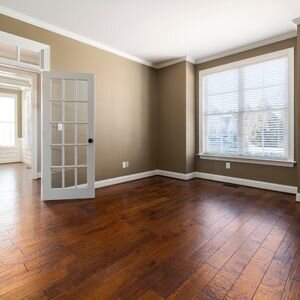
For a long time, I underestimated how much vacancy history spooked traditional buyers. Financing is just as big a problem as the condition.
Conventional mortgage lenders get cautious about homes with years of deferred maintenance. An appraiser flags mold, a structural crack, or a roof past its useful life, and a financed buyer’s loan falls apart at underwriting. Many long-vacant homes can’t pass the inspection and appraisal requirements lenders attach to purchase loans, shrinking the pool of buyers who can actually get to closing quickly. That narrows who can realistically close on the home.
Cash buyers step into that gap. Cash home buyers in Andover can purchase vacant properties in as-is condition, helping homeowners avoid costly repairs, financing delays, and months of additional carrying costs. Henry Hayes came to us out of a Thursday afternoon call from Lake Elmo, Minnesota. He’d inherited a property from his uncle and had spent three years trying to figure out what to do with it. The garage was full of tools and old equipment, the boiler hadn’t run in two winters, and he was completely done with the carrying costs. We closed in under three weeks. He didn’t repaint a wall or call a plumber. For the right seller, speed and certainty matter more than squeezing out every dollar, and that’s not a consolation prize; it’s a legitimate strategy. Reach out to the team at K&G Investments if that sounds like your situation.
Frequently Asked Questions
How Long Can a House Sit Unoccupied Before Problems Start?
Deterioration begins almost immediately when a house goes empty. Within the first 30 to 60 days, insurance coverage gaps open, moisture starts accumulating in areas nobody’s checking, and pests begin exploring. By six months, the physical and financial problems are usually visible and measurable. The longer the vacancy, the more expensive the recovery.
Is It Bad for a House to Sit Empty?
Yes, in almost every practical sense. Without occupants catching small problems early, minor issues become major ones. Water damage, mold, pest infestations, and structural deterioration all progress more quickly in a vacant home. Add the financial exposure from insurance gaps, code violations, and carrying costs, and an empty house is rarely a neutral situation.
How Long Can a Property Be Left Empty?
There’s no universal rule, but most insurance policies treat a home as vacant after 30 days of unoccupancy, which is the threshold at which coverage restrictions and additional costs typically kick in. Municipalities set their timelines for registration and compliance requirements. If you’re planning to leave a property empty for more than a month, treat it as an active management situation, not a passive one.
How Long Does a House Have to Be Empty to Be Considered Vacant?
In insurance terms, a home is considered vacant when it’s empty of both people and personal belongings, while unoccupied simply means the owners are away but have left their things and plan to return. The legal definition varies by city and state, but the 30-day mark is the most common trigger in both insurance policies and local ordinances. The distinction matters practically: an unoccupied home with furniture inside may retain more coverage than a fully stripped vacant one.
If you have an empty house and aren’t sure what to do with it, Fair Price House Sale can help you understand your options and determine the best path forward for your situation. No pressure, no obligation. The team at K&G Investments has worked with homeowners in all kinds of situations, and sometimes just having a conversation makes the path forward a lot clearer.
Helpful Minnesota Blog Articles
- Selling Your Home During a Divorce in Minnesota
- Can I Sell Half of My House in Minnesota
- How to Sell a House With Flood Damage in Minnesota
- Should You Remodel Your Kitchen Before Selling Your Minnesota Home
- Selling A House With Unpermitted Work In Minnesota
- How Much Equity Do You Need Before Selling Your House
- How To Get Your House Appraised For Free In Minnesota
- FHA Required Repairs In Minnesota
- Can I Sell My Home After 1 Year
- The Difference Between Title and Deed Explained
- Selling a House With a Pending Lawsuit
- Average Cost To Sell A House In Minnesota
- How to Sell a Condemned House in Minnesota
- What Happens When a House Sits Vacant
- How to Sell a Condemned House in Minnesota