


A homeowner I worked with last summer had been sitting on a property in Burnsville for two years, not sure whether to sell, refinance, or just stay put. She’d heard she needed an appraisal before doing anything, but balked at the fee. What she didn’t know was that several legitimate ways to get your house appraised for free in Minnesota already existed, and she’d been stalling for no real reason.
This guide covers all of them, including the ones that come with strings attached.
What Is a Home Appraisal and Why Does It Matter in Minnesota?

On a Thursday afternoon last summer, the Robinson family called me. They were three months behind on their mortgage, an auction date had already been scheduled, and they needed to know fast what their Anoka home was worth so they could make a decision. I’ve been through enough of those calls to know the first thing someone in that position needs isn’t a sales pitch; it’s a clear number they can trust. An appraisal gives you exactly that.
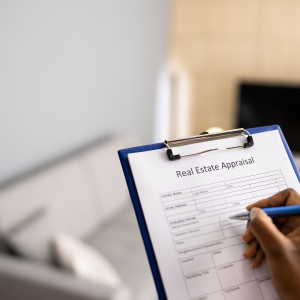
A home appraisal is a licensed professional’s written opinion of your property’s market value. Your mortgage lender relies on it to confirm that the loan amount makes sense relative to what the house is actually worth. Agents use it to set a realistic price. Homeowners use it for refinancing, estate planning, divorce settlements, and property tax appeals.
Minnesota has its own quirks that make a local appraisal more than just a rubber stamp. A craftsman bungalow in the Longfellow neighborhood of Minneapolis doesn’t price like a split-level in Shakopee, even if the square footage is identical. Proximity to the Chain of Lakes, school district lines in Eden Prairie, and whether a Duluth property sits above the flood zone all feed into what a Minnesota-licensed appraiser puts on paper. The Twin Cities metro saw its median sales price climb 2.6 percent to $390,000 in 2025, so knowing where your property lands in that range genuinely matters (and that gap between zip codes can be wide).
One thing sellers often miss: an appraisal and a property tax assessment are two completely different animals. Your county assessor’s number is designed for taxation, runs on a lag, and frequently doesn’t reflect what a buyer would actually pay you today.
What Do Home Appraisers Look for in Minnesota?
A house that smells like a candle and has fresh paint still gets measured the same way as a house in rough shape; appraisers are trained not to be fooled by staging.
What they actually care about is a structured checklist. Square footage, bedroom and bathroom counts, lot size, year built, and the condition of major systems such as the HVAC system, roof, foundation, plumbing, and water heater all go into the report. Any visible defects get documented. Renovations are credited, but only if they match what’s typical for the neighborhood; a $60,000 kitchen remodel in a block of $200,000 starter homes won’t return dollar for dollar.
Comparables, called “comps,” do most of the heavy lifting. An appraiser pulls recently sold homes from the area that are as similar to yours as possible, usually within a mile or two in urban areas like St. Paul’s Hamline-Midway neighborhood, though that radius expands in rural parts of greater Minnesota like Brainerd or Bemidji. Each comp gets adjusted up or down based on differences from your property (square footage and garage count matter here).
Do you know how much your garage adds to the value in your specific zip code? Most homeowners guess wrong. An attached two-car garage in Plymouth or Maple Grove carries a different premium than the same garage in a dense Minneapolis neighborhood where parking is already scarce. Only a local appraiser or a well-researched agent can reliably capture that granularity.
The appraiser wraps everything into a Uniform Residential Appraisal Report, the standardized form most mortgage lenders accept nationwide. That form exists so the analysis can be reviewed and challenged if needed.
What Factors Affect Home Appraisal Costs in Minnesota?
“If I just need a ballpark, why does it cost so much?” Fair question, and the answer is partly that you’re paying for liability, not just time. A licensed appraiser puts their name and license on the line with every report, which means they carry professional insurance and answer to a state board if something goes wrong.
The average cost of a home appraisal in Minnesota runs around $575, which is above the national average. Size is the biggest driver: a 1,200-square-foot rambler in St. Cloud appraises faster than a 3,500-square-foot lake home on Mille Lacs with a detached garage and a boathouse. Properties with pools, unique architecture, or extensive acreage take longer to research and write up (because comparable sales are harder to find), so the fee increases.
Location adds cost, too. Rural properties in outstate Minnesota can be expensive to appraise because there may be fewer comparable sales within a reasonable distance, which requires the appraiser to extend their search area and conduct more manual analysis. A cabin near Ely with no true comps within 20 miles is a far harder appraisal than a townhouse in Woodbury, where similar units trade every few weeks.
Sellers sometimes overlook the loan type when sizing up a deal. Government-backed loans like FHA and VA carry stricter inspection requirements during the appraisal process, and fees for those in Minnesota can run from $400 to $900, depending on the property. If your buyer is using a conventional loan, the process is typically faster and cheaper than if they’re using a government-backed program.
Minnesota sellers face seasonal access issues more than sellers in most states. A property with a shared seasonal road in northern Minnesota may be essentially inaccessible during mud season, which can delay or complicate the appraisal (sometimes by several weeks) and increase costs.
Who Pays for the Home Appraisal in Minnesota?
$575 showing up on your closing statement, charged before you’ve even confirmed the deal is real, is what catches sellers off guard.
In a traditional purchase transaction, the buyer typically orders and pays for the appraisal because the mortgage lender requires it. Protecting the lender’s interest, the appraisal confirms the collateral covers the loan. Buyers often pay this fee upfront, before closing, as part of their overall loan costs, making it one of the first out-of-pocket expenses that hits your wallet in the deal.
Sellers pay for appraisals under different circumstances. If you’re refinancing your existing mortgage, your lender will order a new appraisal, and you’ll foot the bill. Same story if you’re tapping into your home’s equity through a HELOC or home equity loan. Estate settlements and divorce proceedings often call for an independent appraisal as well, and in those cases, whoever initiates it usually pays. Sellers who want a pre-listing appraisal to price confidently before going to market pay for it out of pocket, which, in my experience, is money well spent when the market’s shifting fast.
One shift worth knowing: federal regulators have raised the threshold for transactions that can skip a formal appraisal altogether. Raising the no-appraisal limit for home sales from $250,000 to $400,000 allows some lower-priced Minnesota transactions to qualify for an appraisal waiver. Talk to your lender about whether your specific loan type and property qualify. Waivers aren’t guaranteed, but they’re more available now than they used to be.
What Should You Expect During the Home Appraisal Timeline in Minnesota?
Once you understand who’s writing the check, the next thing most sellers want to know is how long this whole process takes.
Scheduling a licensed appraiser can take anywhere from a few days to a week and a half, depending on how busy the local market is. In the Twin Cities suburbs during spring selling season, good appraisers book up fast, so call before you think you need to. Days on market until sale across the Twin Cities metro averaged 42 days as of June 2026, which shows that when the market moves quickly, every step in the timeline matters.
Physical inspection usually takes between 30 minutes and two hours on-site, depending on the property’s size and condition. After that, the appraiser goes back to their office, pulls comps, writes the report, and delivers the final document. That turnaround takes 5 to 10 business days, though rush options are sometimes available for an added cost (which I’ve paid for more than once).
One thing I’ve repeatedly seen slow things down: sellers who aren’t ready for the visit. An appraiser who can’t access the attic, basement, or outbuildings must note this in the report, which can delay loan approval. Give them clear access to every part of the property. Have your permit history ready if you’ve done additions or garage conversions. If your HVAC system or water heater is newer than it appears, point it out.
What Is a Desktop Appraisal and Is It an Option in Minnesota?
For a long time, I assumed desktop appraisals were useless for anyone serious about getting a real number. That’s not entirely right anymore.
A desktop appraisal is completed without anyone physically visiting your property. The appraiser works from public records, tax data, MLS information, and any available photos or floor plans. In Minnesota, desktop appraisals run $75 to $200, making them far cheaper than a traditional visit. The catch is acceptance. Most lenders do not accept a desktop appraisal for mortgage lending purposes, so if your buyer needs a loan, this format won’t satisfy the lender’s requirements.
Desktop appraisals do make sense for estate planning, getting a rough read before refinancing, or confirming your instincts before listing. They’re also used by some institutional buyers and real estate investors who are doing preliminary due diligence on multiple properties at once.
The Appraisal Institute has published guidelines on when alternative appraisal methods are appropriate, and the pandemic accelerated lender comfort with non-traditional formats in specific circumstances. Fannie Mae and Freddie Mac have both expanded their acceptance of certain waivers and hybrid options for low-risk loans. Whether your specific transaction qualifies depends on the lender and loan type, so it’s worth asking your loan officer directly before assuming anything.
Drive-by appraisals, where the appraiser photographs the exterior but doesn’t enter, occupy a similar space. They cost less than a full appraisal but face the same lender acceptance limitations.
How to Get a House Appraised for Free in Minnesota?
So what are your actual options that cost nothing?
Online automated valuation tools. Zillow’s Zestimate, Redfin’s estimate, and several lender-run tools pull from public records, tax assessments, and MLS sales data to generate a fast, free estimate. Online home value estimates in Minneapolis land within 5 to 10 percent of actual sale prices for standard properties, making them useful for orientation but not precise enough to price a listing or satisfy a lender. These are algorithm-driven; they don’t know about the new windows you installed last fall or the fact that your lot backs up to a noisy commercial alley.
A comparative market analysis from a real estate agent. This is the most commonly used free option, and in many situations it’s genuinely useful. An agent with access to NorthstarMLS can pull recent comparable sales and walk you through a pricing opinion at no charge, because they’re hoping to earn your listing. The analysis involves real comps from the local MLS, adjusted by someone who’s actually been inside homes in your neighborhood.
A valuation from a local home buyer in Minnesota. Companies like K&G Investments will assess your property at no charge and give you a cash offer based on current market conditions. There’s no obligation to accept, and you’ll walk away knowing what an actual buyer is willing to pay today, which is a real number, not a theoretical estimate. This approach works especially well if you’re weighing your options and want a concrete floor to negotiate from. The process is the same across the metro, whether you need cash home buyers in Burnsville or want to sell your house fast in Anoka.
Community housing events. Occasionally, local housing nonprofits and HUD-approved housing counseling agencies in Minnesota host workshops where professionals provide free valuations or guidance. These are intermittent, so you can’t count on timing, but they’re worth watching for.
What Are the Drawbacks of a Free Home Appraisal in Minnesota?

Sit down at a kitchen table with a seller who just got three free estimates that differ by $40,000, and you’ll understand the real problem fast.
Free valuations come with real limitations. An AVM has no idea your furnace was replaced last year, that the basement was finished with proper permits, or that the lot is unusually deep compared to the neighbors. It processes patterns in public data, not the specifics of your property. In a neighborhood like Frogtown in St. Paul, where lot sizes, house conditions, and recent renovations vary wildly block by block, that gap in accuracy can be significant enough to throw off your pricing by tens of thousands.
A real estate professional’s CMA is better, but it carries its own conflict of interest. An agent who wants your listing has an incentive to tell you what you want to hear. I’ve seen CMAs price homes 12 to 15 percent above what they actually sold for, which led to frustrated sellers who sat on the market for months.
Free valuations also carry no legal weight. A lender won’t fund a mortgage off a Zestimate. A probate court won’t accept a CMA in place of a licensed appraiser’s report. If your situation involves estate settlement, a dispute with a co-owner, or refinancing with a traditional lender, you’ll eventually need to pay for the real thing.
The gap between a free estimate and a licensed appraisal is worth measuring before you make a major decision. Use free tools to orient yourself, then calibrate against what the market actually tells you.
Can a Real Estate Agent Give You an Accurate Home Value Estimate in Minnesota?
Sellers often walk into a listing appointment expecting the agent to function like an appraiser. The appointment goes smoothly, the agent names a number, and the seller takes it as gospel.
Agents and appraisers use overlapping data but different frameworks. An agent’s CMA is built on judgment and market intuition, informed by their experience in a specific area. An appraiser’s report follows a regulated methodology, accounts for measurable adjustments, and holds up in legal and financial contexts. The two sometimes land in very different places, particularly for unusual properties or homes with extensive deferred maintenance.
That said, a sharp agent with genuine local market knowledge can come impressively close. A full-time Realtor with experience and access to the Multiple Listing Service is your best path to a reliable comparative market analysis. In active markets like Lakeville, Edina, or the North Loop area of Minneapolis, where similar homes trade frequently, a good CMA from an experienced agent tends to fall within a few percentage points of a licensed appraisal.
In outstate Minnesota, where comps are thin and properties are genuinely unique, an agent’s estimate carries more uncertainty. A hobby farm near Rochester appraises differently than a standard residential property, and the range of possible values is wider.
Andre Mendoza inherited a property in Mankato packed with three decades of family belongings. His siblings lived out of state and wanted a clean exit. He reached out on a Tuesday, told me the garage alone had floor-to-ceiling shelving stuffed with tools, Christmas decorations, and furniture from three different households. The agent CMAs he’d gotten ranged widely, partly because none of them had walked through the garage. When we assessed the property directly through K&G Investments, we accounted for the estate contents, the timeline pressure, and the property’s actual condition. He had a clear number within 48 hours and didn’t have to argue with his siblings about which agent to trust.
A CMA is a starting point. Treat it as one data point among several, especially if the stakes are high.
FAQs:
How Much Does a House Appraisal Cost in MN?
A home appraisal in Minnesota runs around $575 for a single-family home, compared to the national average of $350. Multifamily properties, large rural parcels, and government-backed loans can push that number higher. If your property is straightforward and your buyer is using a conventional loan, you’re likely at the lower end of that range.
Can I Get My Home Appraised for Free?
Several no-cost options exist, but none produce an appraisal that a lender will accept. You can get a free estimate through online valuation tools, a comparative market analysis from a local real estate agent, or a property assessment from a direct buyer like K&G Investments. These are genuinely useful for getting a ballpark figure, but a licensed appraiser’s report is what you’ll need if a mortgage lender or a court is involved.
What Not to Tell an Appraiser?
Don’t tell an appraiser what number you’re hoping for. Appraisers are bound by independence standards, and pushing them toward a target can actually trigger concerns about undue influence. Share factual information freely: recent upgrades, permit histories, utility costs, and anything that affects condition or value. Advocate for your property’s actual strengths; just don’t try to steer the conclusion.
What’s the Cheapest Way to Get Your House Appraised?
A desktop appraisal is the least expensive licensed option, often running $75 to $200. If you just need a general sense of value rather than a lender-ready report, a free CMA from a real estate agent or a no-obligation assessment from a local buyer will cost you nothing. The right choice depends on what you’re going to do with the number.
If you’re trying to figure out what your Minnesota home is worth and aren’t sure which direction to go, we’re happy to walk you through it. No pressure, no obligation. Reach out to K&G Investments, and we’ll give you a straight answer based on your property and your situation.
Helpful Minnesota Blog Articles
- Selling Your Home During a Divorce in Minnesota
- Can I Sell Half of My House in Minnesota
- How to Sell a House With Flood Damage in Minnesota
- Should You Remodel Your Kitchen Before Selling Your Minnesota Home
- Selling A House With Unpermitted Work In Minnesota
- How Much Equity Do You Need Before Selling Your House
- How To Get Your House Appraised For Free In Minnesota
- FHA Required Repairs In Minnesota
- Can I Sell My Home After 1 Year
- The Difference Between Title and Deed Explained
- Selling a House With a Pending Lawsuit
- Average Cost To Sell A House In Minnesota
- How to Sell a Condemned House in Minnesota
- What Happens When a House Sits Vacant
- How to Sell a Condemned House in Minnesota