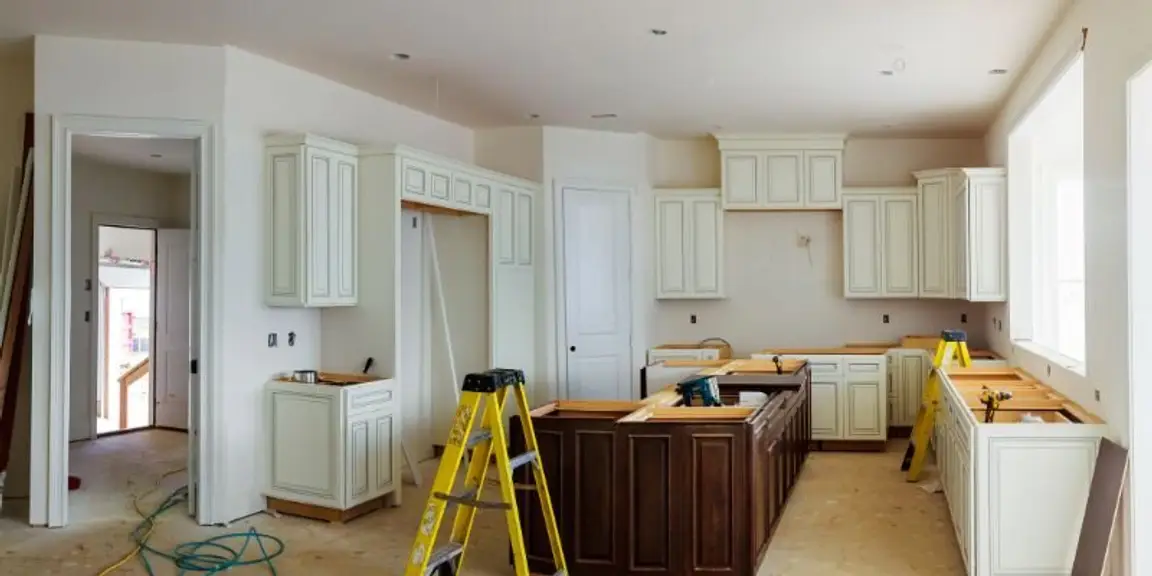

The answer isn’t black and white. It depends on your timeline, budget, and what you’re competing against in your neighborhood.
Here’s what I’ve learned: The ROI of a kitchen remodel in Minnesota ranges from 31.7% to 83.3%. That’s a massive spread, and it tells you everything you need to know about why this decision matters so much.
With an 83.3% ROI, these projects typically recoup $29,155 to $66,640. Falling within a cost range of $80,000 to $150,000, a major kitchen remodel yields an ROI of 40.8%.
Notice the pattern? Smaller updates give you better returns. Major gut jobs often cost you money.
But ROI isn’t everything. I’ve seen sellers in Minnetonka get multiple offers within days because their kitchen felt fresh and move-in ready. Other sellers in similar neighborhoods sat on the market for months with outdated spaces that screamed “project” to every buyer who walked through.
Your competition matters more than national averages. If you’re selling in Wayzata, where most homes have been updated, your 1980s kitchen will stand out like a sore thumb. But if you’re in a neighborhood of original ranch homes where everyone’s kitchen looks similar, a modest refresh might be all you need.
Timing is crucial, too. The median DOM in Minnesota in October 2025 was 35 days, up 2 days from October 2024. With homes taking slightly longer to sell, buyers have more options to compare. A dated kitchen could be the reason they choose the house down the street instead of yours.
Minnesota Home Sale Kitchen Renovation Return on Investment Analysis

Let’s look at the actual numbers you’ll see in Minnesota. A mid-range, major kitchen remodel in the Minneapolis area will only yield a 51% return on investment. A mid-range, minor kitchen remodel will yield a 67.2% return at resale.
These aren’t national averages. This is Minneapolis-specific data that reflects our market reality.
In Minnesota, the best ROI comes from what the industry calls “minor kitchen remodels.” The cost-effectiveness of minor upgrades, such as refinishing cabinets, updating appliances, and adding new countertops, drives the high ROI. These improvements often align with current buyer preferences, making the home more attractive while requiring a relatively modest investment.
Think about it from a buyer’s perspective. They walk into your home in Bloomington and see fresh quartz countertops, updated cabinet hardware, and stainless steel appliances. The bones are good, everything functions well, and it feels current. That’s exactly what they want.
Compare that to a full gut renovation, where you’ve spent $150,000 to create a magazine-worthy space. Sure, it’s gorgeous. But you’re competing against other homes in your price range that might offer more square footage, better locations, or other features buyers value.
Luxury remodels cost between $150,000 and $200,000 and offer an ROI of 31.7%, resulting in a cost recoupment of $47,550 to $63,400. These projects focus on high-end materials, custom designs, and top-tier appliances. While these renovations greatly enhance the aesthetics and functionality of the kitchen, the high initial costs often limit the percentage of investment recovered.
Here’s something most agents won’t tell you: the best kitchen updates for resale aren’t necessarily the ones featured in design magazines. They’re the ones that make buyers feel like they can move right in without major work.
Minnesota Real Estate Market Kitchen Remodeling Trends 2024
Minnesota’s housing market has some unique characteristics that affect kitchen remodeling decisions. In August 2024, the Median Sales Price reached $352,000, up 1.7% from the previous year.
We’re in a transitional market. It is not quite the seller’s paradise of 2021-2022, but it is not a buyer’s market either. The monthly supply of Inventory, which measures the balance between supply and demand, has risen to 3.0 in August 2024, up 15.4% from the previous year. This indicates a shift towards a more balanced market, with more homes available for buyers to choose from.
What does this mean for your kitchen remodel decision? Buyers have more choices now. They’re not desperate enough to overlook a dated kitchen like they might have been three years ago.
I’m seeing trends in what buyers actually want versus what HGTV tells them they should want. White shaker cabinets are still popular, but buyers are also embracing warmer wood tones. While quartz countertops remain the most popular choice, I’m seeing a growing interest in butcher block and concrete for certain home styles.
The visual trendline has shifted away from uniform, bright-white kitchens toward warmer, more personal spaces. At the same time, performance expectations have risen: better task lighting, quieter ventilation, and smarter storage are now common asks.
The Minnesota climate also affects trends. Buyers here understand the value of effective ventilation, especially during our humid summers. They want pantry space for bulk shopping before winter storms. Mudroom connections to kitchens are huge selling points.
Energy efficiency is becoming more important. Energy efficiency is also gaining momentum. Minnesota is on a regular energy code update cycle, and while many remodels are not treated like new construction, any newly built portions and many system changes still must meet current requirements.
Full Kitchen Renovation vs Partial Updates Before Selling in Minnesota
This stage is where the rubber meets the road. Should you go all-in with a complete renovation or focus on strategic updates that give you the biggest bang for your buck?
I’ll be honest: most sellers are better off with partial updates unless their kitchen is truly dysfunctional or severely dated.
Here’s why: For minor kitchen remodels, the average ROI is 96%, while major remodels yield an ROI of about 50% on average, according to Remodeling’s 2024 Cost vs. Value Report. Remodeling reports that the average minor kitchen remodel yields an ROI of 96%, while the average major kitchen remodel yields an ROI of 50%.
Those numbers are compelling. But let me give you some real-world context from the Minnesota market.
A partial update might include: Painting or refacing existing cabinets, new countertops (quartz is your best bet), updated hardware and fixtures, new backsplash, fresh appliances if yours are more than 10 years old, and better lighting.
This approach typically costs $25,000 to $50,000 in the Twin Cities and can transform your kitchen.
A full renovation means: New cabinet layout and custom cabinetry, moving plumbing and electrical, new flooring throughout, structural changes like removing walls, and high-end everything.
On average, kitchen remodels in the Minneapolis area range from $85,000 to $175,000+. That’s a significant investment you’re unlikely to recoup at all.
But there are exceptions. If your kitchen is really bad (think original 1960s everything with harvest gold appliances), a full renovation might be necessary to attract buyers. However, some homeowners instead work with cash home buyers in Andover to avoid the cost and delays of major renovations altogether. Or if you’re in a high-end neighborhood where every other home has been updated, you might need to match that level.
The key is understanding your competition. Drive around your neighborhood. Look at recent sales on Zillow. What are you up against?
Minnesota Kitchen Remodeling Costs and Timeline for Home Sales

Let’s talk real numbers for Minnesota. Kitchen Remodel costs in Minnesota typically range from $15,900 to $79,500 per project as of 2026. Minnesota construction costs are 6% higher than the national average, with a regional cost multiplier of 1.06x. Average skilled labor rates in Minnesota run approximately $51/hour.
But that’s a wide range, and it doesn’t tell the whole story. Here’s what I’m seeing in the Twin Cities market:
Basic refresh (cosmetic updates): $25,000-$45,000. This includes cabinet painting or refacing, new countertops and backsplash, updated hardware, and new lighting. Timeline: 2-4 weeks.
Mid-range remodel: $50,000 to $100,000. This mid-range remodel includes new cabinetry, maintains the existing layout, and adds high-quality countertops, appliances, and new flooring. Timeline: 6-10 weeks.
High-end renovation: $100,000 to $200,000+. Custom everything, layout changes, premium materials throughout—timeline: 12-20 weeks. Pricing in
Minneapolis and St. Paul run 10% to 20% higher than national figures. Our short construction season, higher labor rates, and the age of our housing stock all push costs up.
Here’s what nobody mentions about timelines: Minnesota’s short construction season (roughly April through October for exterior work) compresses schedules and can increase costs during peak months. Planning your remodel to start in late winter or early spring can sometimes secure better contractor availability and pricing.
If you’re planning to sell, timing matters enormously. Spring is the peak selling season in Minnesota. You would rather not sale with construction dust while buyers tour your home in April and May.
Consider this scenario: you start a major renovation in February, planning to list in May. Construction runs over (it usually does), and now you’re trying to sell with plastic sheeting and sawhorses in your kitchen. That’s a disaster.
Better approach? Complete your updates by March at the latest, or wait until after you sell and let the buyer handle renovations.
Popular Kitchen Design Styles That Sell Fast in Minnesota Markets
I’ve seen certain styles consistently appeal to Minnesota buyers. We’re not California or New York. Our preferences reflect our climate, culture, and practical needs.
Transitional style dominates. It’s the sweet spot between traditional and contemporary. Think white or light gray cabinets with warm wood accents, quartz countertops, and subway tile backsplashes. It feels current without being trendy.
Farmhouse elements still work, especially in suburban and rural markets. But we’re past the peak of the ultra-rustic trend. A modern farmhouse with clean lines and quality materials appeals to more buyers than barnwood everything.
Scandinavian influences resonate here. Light colors, natural materials, and functional design make sense for Minnesota living. Buyers appreciate the connection to our Nordic heritage and the practical approach to design.
Colors that sell: White, light gray, and soft blue cabinets; warm wood tones for islands or accents; neutral paint colors; classic subway tile or simple patterns.
Colors that sit on the market: Bold, dark cabinets (navy, black, and dark green); trendy tile patterns that will date quickly; all-white everything (feels cold in our climate); and overly rustic or themed designs.
Storage matters enormously to Minnesota buyers. We need space for winter gear, bulk shopping, and entertaining large groups. Smart storage solutions sell homes faster than granite countertops.
If you’re working with K&G Investments or considering selling directly, here’s how we can help homeowners evaluate which updates are actually worth making before listing. We often recommend focusing on storage and function over flashy finishes.
Minnesota Homebuyer Kitchen Preferences and Must-have Features
After walking through hundreds of homes with buyers, I know exactly what gets them excited and what keeps them looking.
Must-haves for Minnesota buyers:
Adequate counter space. We cook a lot here. Holiday baking, summer canning, and daily meal prep. Buyers want room to spread out.
Quality appliances that work. They don’t need to be top-of-the-line, but they need to function well. A 15-year-old dishwasher that barely cleans dishes will cost you offers.
Good lighting. Our winters are dark. Buyers crave bright, well-lit kitchens. Under-cabinet lighting, pendant lights over islands, and plenty of overhead lighting are essential.
Functional layout. The triangle concept still matters. Buyers want an efficient workflow between the sink, stove, and refrigerator.
Connection to other spaces. Open floor plans aren’t just trendy here; they’re practical for entertaining and family life.
Features that add value:
Islands with seating. Perfect for quick breakfasts and homework supervision.
Pantry space. Walk-in pantries are gold, but even well-organized cabinet pantries impress buyers.
Quality ventilation. Good range hoods matter for controlling cooking odors and humidity.
Durable flooring. Hardwood, luxury vinyl plank, or quality tile. Buyers want something that can handle Minnesota mud and snow.
Features buyers don’t care about as much as you’d think:
High-end appliances beyond basic quality. A $3,000 refrigerator doesn’t necessarily sell your home faster than a $1,200 one that works well.
Exotic countertop materials. Quartz beats marble for practicality. Buyers worry about maintenance.
Trendy hardware. Classic choices age better and appeal to a wider audience.
Open shelving. Looks great in photos, but buyers worry about dust and clutter.
Understanding these preferences helps you focus your remodeling dollars where they’ll have the biggest impact. You’re not trying to win design awards; you’re trying to appeal to the broadest range of potential buyers.
Kitchen Countertop Materials That Add Value to Minnesota Homes
Countertops can make or break a kitchen’s appeal to buyers. I’ve seen beautiful homes sit on the market because of dated laminate countertops, and I’ve seen modest homes sell quickly because of smart countertop choices.
Quartz is king in Minnesota. Midrange materials, such as quartz countertops, semi-custom cabinetry, and stainless steel appliances, often strike a balance between cost and quality, making them appealing to a broader market. It’s durable, low-maintenance, and comes in colors that appeal to most buyers.
Why quartz works so well here: Doesn’t stain from coffee, wine, or hot dish spills; no sealing required (unlike granite); consistent patterns and colors; cold-resistant (important for Minnesota); available in styles from classic to contemporary.
Granite still has appeal, especially in higher-end homes. But buyers worry about maintenance and sealing requirements. If you choose granite, go with classic colors like black, white, or gray rather than busy patterns.
Butcher block is gaining popularity in certain market segments. It’s warm, natural, and relatively affordable. But it requires maintenance that some buyers find intimidating.
Materials to avoid:
Laminate. Even high-quality laminate reads as “cheap” to most buyers. If the budget is tight, save up for quartz rather than installing new laminate.
Tile countertops. Grout lines collect dirt and bacteria. Most buyers see them as dated.
Concrete. It can look wonderful when done well, but buyers worry about cracking and maintenance.
Ultra-expensive materials like quartzite or exotic stones. You won’t recoup the cost, and they can make buyers worry about replacement costs if something happens.
For Minnesota specifically, I recommend sticking with quartz in neutral colors. Calacatta or Carrara-look quartz gives you the marble aesthetic without the maintenance concerns. Solid colors in white, gray, or beige work in any kitchen style.
Budget about $60-80 per square foot installed for quality quartz in the Twin Cities. It’s a significant investment, but one that pays dividends in buyer appeal and sale speed.
Cabinet Refacing vs Replacement for Minnesota Home Sales

This is often the biggest decision in a pre-sale kitchen update. Cabinets typically eat up 30-40% of a kitchen remodeling budget, so getting this choice right matters enormously.
Cabinet refacing makes sense when: Your existing cabinets are solid wood and structurally sound, the layout works well for the space, you’re working with a tight timeline, or budget is a major concern.
Refacing involves keeping the cabinet boxes and replacing doors, drawer fronts, and hardware. Add a fresh coat of paint or new veneer, and the transformation can be dramatic.
Cost in Minnesota: $8,000 to $18,000 for an average kitchen. Timeline: 1-2 weeks. ROI: Often excellent because the cost is relatively low.
Cabinet replacement makes sense when: Existing cabinets are falling apart or poorly made, the layout doesn’t work for modern living, you’re doing a complete renovation anyway, or the style is so dated that refacing won’t help.
The most expensive part of a kitchen remodel is consistently reported to be the cabinets. Budget Allocation: Cabinets typically make up 20-40% of the total kitchen renovation budget. Cost: The average cost of new cabinets is typically over $15,000.
In Minnesota, I’m seeing good-quality semi-custom cabinets run $20,000 to $40,000 installed for an average kitchen. Custom cabinets can easily hit $50,000+.
Here’s what I recommend for most sellers:
If your cabinets are solid but dated, try refacing first. You can always paint them a fresh color, add crown molding, and update hardware for a fraction of the cost of replacement.
Popular cabinet colors for Minnesota sales: Classic white (always works); light gray (feels current); warm white or cream (less stark than pure white); natural wood stains (especially for islands).
Avoid: Dark colors that make spaces feel smaller; trendy colors that will date quickly; overly distressed finishes; anything too bold or personal.
If you work with a company like K&G Investments, they can often provide guidance on whether your cabinets are worth updating or if the money would be better spent elsewhere. Sometimes the smartest move is leaving them as-is and letting the buyer handle updates.
Kitchen Flooring Options That Appeal to Minnesota Home Buyers
Flooring in Minnesota kitchens needs to handle our unique challenges: mud from spring thaw, salt from winter boots, and humidity swings from our extreme seasons.
Hardwood remains the gold standard when it’s practical. Buyers love the warmth and beauty of wood floors that flow from the kitchen into living areas. But kitchens present challenges for wood.
If you choose hardwood: Go with harder species like oak or maple; use quality finishes that resist water damage; consider engineered wood for better stability; and plan for regular maintenance.
Luxury Vinyl Plank (LVP) is gaining serious traction. Modern LVP looks incredibly realistic and handles everything Minnesota throws at it. It’s waterproof, warm underfoot, and much more affordable than hardwood.
Quality LVP runs $4-8 per square foot installed and can look nearly identical to hardwood. Buyers appreciate the practicality, especially families with kids and pets.
Tile works well in traditional or contemporary kitchens. Porcelain tile that looks like wood gives you durability with warmth. Large-format tiles minimize grout lines and feel more current.
Flooring to avoid:
Laminate. Even good laminate feels cheap to most buyers and can show water damage easily.
Linoleum or vinyl sheet. Immediately dates your kitchen and turns off buyers.
Natural stone. Beautiful but cold in winter, and requires maintenance that intimidates buyers.
For pre-sale updates in Minnesota, I typically recommend either refinishing existing hardwood (if it’s in decent shape) or installing quality LVP in a wood-look pattern. Both options appeal to the broadest range of buyers and handle our climate well.
Budget $3,000 to $8,000 for flooring in an average Minnesota kitchen, depending on material choice and room size. If you’re still unsure which repairs or upgrades are worth doing before listing, check out other frequent questions homeowners ask before selling in competitive Minnesota markets.
Frequently Asked Questions
Is It Worth Renovating a Kitchen Before Selling a House?
It depends on your kitchen’s current condition and your local competition. For minor kitchen remodels, the average ROI is 96%, while major remodels yield an average ROI of about 50%. In Minnesota, minor updates often make more financial sense than complete renovations. Focus on strategic improvements that address obvious problems without over-improving your neighborhood.
What Is the 30% Rule in Remodeling?
The 30% rule suggests not spending more than 30% of your home’s current value on renovations, as you risk over-improving for your neighborhood. For a $300,000 Minnesota home, this means keeping kitchen renovations under $90,000. This rule helps prevent you from pricing yourself out of your market when you sell.
What Should You Not Fix Before Selling Your Home?
Avoid expensive, personal upgrades that won’t appeal to most buyers. Don’t install luxury features that exceed your neighborhood’s standards, don’t make structural changes that require permits if you’re selling soon, and don’t choose bold, trendy designs that will date quickly. Focus on repairs and updates that make your home move-in ready rather than on showcase pieces.
Is $30,000 Enough for a Kitchen Remodel?
Kitchen Remodel costs in Minnesota typically range from $15,900 to $79,500 per project as of 2026. Thirty thousand dollars can cover a solid cosmetic refresh, including cabinet painting, new countertops, updated hardware, and appliances. However, it won’t cover a complete renovation with new cabinets and layout changes, which typically start around $50,000 in Minnesota markets.
The decision to remodel your kitchen before selling comes down to understanding your specific situation. Your timeline, budget, neighborhood competition, and current kitchen condition all factor into the equation.
I’ve seen sellers make great money with smart, modest updates. I’ve also seen people spend $100,000 on gorgeous renovations and barely break even. The difference usually comes down to understanding what buyers actually want versus what looks good in magazines.
If your kitchen is functional but dated, consider strategic updates that give you the biggest bang for your buck. Fresh paint, new hardware, updated lighting, and quality countertops can transform a space without breaking the bank.
If your kitchen is truly dysfunctional or severely outdated, a more comprehensive renovation might be necessary to compete in the market. But focus on timeless choices that appeal to the broadest range of buyers.
Remember, you’re not renovating for your own enjoyment; you’re creating a space that helps buyers envision themselves living in your home. Keep it classic, functional, and move-in ready.
If you want to talk through your options without any pressure, K&G Investments can help you evaluate whether kitchen updates make sense for your situation. We’ve seen thousands of Minnesota kitchens and understand what actually moves the needle for sellers in our market. Sometimes the smartest move is to sell as-is and let the buyer handle renovations with their own vision and budget. For homeowners who need to sell your house fast for cash in Minnesota, skipping major remodeling projects can often be the more practical financial decision.
Whatever you decide, make sure it aligns with your timeline and financial goals. The best kitchen renovation is the one that gets your home sold quickly and profitably.
Helpful Minnesota Blog Articles
- Selling Your Home During a Divorce in Minnesota
- Can I Sell Half of My House in Minnesota
- How to Sell a House With Flood Damage in Minnesota
- Should You Remodel Your Kitchen Before Selling Your Minnesota Home
- Selling A House With Unpermitted Work In Minnesota
- How Much Equity Do You Need Before Selling Your House
- How To Get Your House Appraised For Free In Minnesota
- FHA Required Repairs In Minnesota
- Can I Sell My Home After 1 Year
- The Difference Between Title and Deed Explained
- Selling a House With a Pending Lawsuit
- Average Cost To Sell A House In Minnesota
- How to Sell a Condemned House in Minnesota
- What Happens When a House Sits Vacant
- How to Sell a Condemned House in Minnesota