![How to Sell a Condemned Home in [market_city]](https://image-cdn.carrot.com/eyJidWNrZXQiOiJwcm9kdWN0aW9uLmNhcnJvdC11cGxvYWRzLm9uY2Fycm90LmNvbSIsImtleSI6InVwbG9hZHMvc2l0ZXMvNzkzMTcvMjAyNi8wNy9Ib3ctdG8tU2VsbC1hLUNvbmRlbW5lZC1Ib21lLmpwZyIsImVkaXRzIjp7InJlc2l6ZSI6eyJ3aWR0aCI6MTE1Mn0sInRvRm9ybWF0Ijoid2VicCIsIndlYnAiOnsicXVhbGl0eSI6NzB9fX0=)

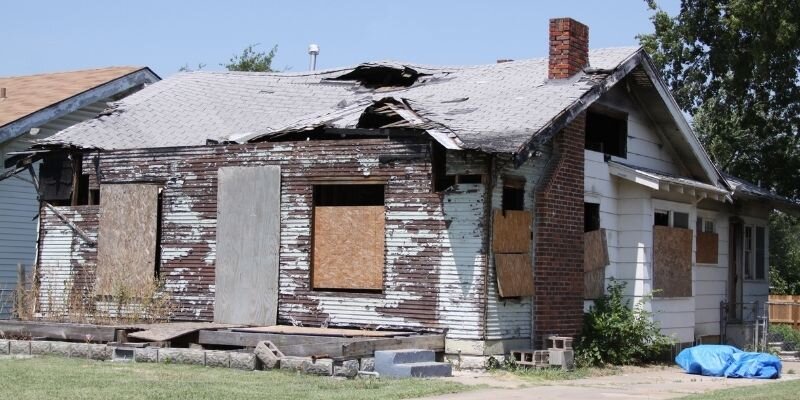
A placard on the front door. A notice taped to the window. Maybe the city called and left a voicemail that made your stomach drop. If that’s where you are right now, you’re not alone, and you’re not out of options.
Selling a condemned house in Minnesota is possible. People do it every week across the Twin Cities and outstate communities alike. What’s tricky isn’t the legal part; it’s knowing which path actually makes sense for your situation so you don’t waste six months chasing a dead end.
What Is a Condemned House in Minnesota?
So what does it actually mean when a city or county condemns your property? Most homeowners picture a wrecking ball. This is not usually what’s happening.
Condemnation in a real estate context means a local authority has determined the property is unfit for human habitation. This is different from eminent domain, where the government takes your land for public use. A condemned property still belongs to you. Government officials are simply saying no one can legally occupy it until specific conditions are corrected (repairs, code violations, or both).
If a building poses an immediate danger to the health, welfare, and safety of occupants or the public, a city like St. Paul can condemn it on an emergency basis. Non-emergency condemnations follow a slower inspection-and-notice process, but they land in the same place: you own a property nobody can legally live in (and that clock keeps running).
Two weeks ago, I walked through a house in Fridley with the Vargas family. They had hired a contractor to look at the kitchen after an inspector cited failing wiring and a crumbling soffit. The contractor’s estimate came out higher than the kitchen’s replacement value. It’s a pattern I see constantly. Compliance costs often outpace what the repair logically should cost, because condemned properties need permitted work, permits pull inspectors, and inspectors find more problems.
As of mid-2024, Minneapolis alone had 311 vacant and condemned buildings on its city dashboard, up from 215 in 2021. These are real neighborhoods, real families, real decisions.
Ownership doesn’t end at condemnation. Your name stays on the deed, your property tax bill keeps arriving, and any code-compliance timeline the city sets is your responsibility to meet, or to transfer.
Why Would a House Be Condemned in Minnesota?

For a long time, I assumed most condemned properties had obvious, dramatic problems, a collapsed roof or a fire gut. Condemnation is far more mundane than most people expect, which is exactly what makes it so easy to miss until a city inspector shows up at the door.
St. Paul’s code enforcement identifies condemned buildings as those that are extremely dilapidated or deteriorated enough to risk collapse, are fire hazards, pose severe health hazards, are infested with rodents or vermin, or lack basic facilities including water, electricity, and heat.
A house can also slide into condemned status through a slow accumulation of smaller violations. Minneapolis triggers condemnation review when a building has been vacant and boarded for more than 60 days, when an inspector cites specific hazards, when a property scores below the city’s condition threshold, or when utilities are discontinued. The last one surprises a lot of owners. Shutting off the gas for winter while the estate is being settled can technically set the condemnation clock ticking.
Structural failure gets the headlines, but deferred maintenance is the real culprit in most cases I see. A roof that wasn’t replaced, a furnace that gave out, and foundation seepage that went unaddressed for a decade. Under Minnesota statute, a property can qualify for condemnation when uncured building code violations would cost more than 50 percent of the building’s estimated market value to fix. The threshold matters if you’re trying to understand whether repair or sale makes more financial sense.
Health hazards, including black mold and asbestos, also drive a significant share of condemnation orders across older neighborhoods in St. Paul’s Frogtown, North Minneapolis, and parts of Columbia Heights.
Sell your home for cash in Minnesota fast with a fair cash offer and a stress-free closing.
What Happens When a House Is Declared Uninhabitable in Minnesota?
Once that condemnation order is issued, a series of legal consequences follow immediately, and some of them have real teeth.
The city posts a placard on the building stating which department condemned it, the date by which it must be vacated, an order requiring it to remain vacant until violations are corrected, and the penalties for removing or defacing the placard (that last part trips sellers up). Tampering with it adds a separate violation.
Rental income stops, legally. Under Minnesota Statute 504B.204, a landlord cannot accept rent or a security deposit for residential property after it has been condemned, declared unfit for human habitation, or ordered to be vacated due to housing, health, or fire code violations. If you have tenants, they must be relocated. A landlord who collects rent after condemnation is liable for the tenant’s actual damages plus three times the amount of any money collected after the condemnation date, along with attorney’s fees.
The city may also require you to register the property in a vacant building program, which adds fees on top of the compliance costs already stacking up. In Minneapolis, owners who fail to restore condemned or hazardous buildings can face fines reaching $24,000 per year. Those penalties accumulate even while you’re trying to figure out your next step.
Your mortgage doesn’t pause. Insurance gets complicated; many standard policies exclude vacant or condemned structures. And the property’s value on the open market drops, sometimes sharply, because traditional buyers can’t get conventional financing on a condemned home.
Can You Still Live in a Condemned House in Minnesota?

Short answer: no, and this is the one thing I tell every seller before we talk about anything else.
Occupying a condemned property is illegal regardless of whether you own it. The law doesn’t carve out an exception for owners. Your name on the deed doesn’t give you the right to stay once the city has declared the building unfit. Law enforcement can and does remove people from condemned properties, and doing so after a legal notice creates additional liability.
What about family members or friends staying temporarily while repairs happen? The condemnation order applies to all occupants without exception. Squatters complicate matters further, and if someone is living in your condemned property without your permission, you still bear responsibility for the safety hazards they’re exposed to.
The one exception worth knowing: if the condemnation order pertains to a specific unit in a multi-unit building and that unit can be isolated without endangering the rest of the structure, the city may condemn just that one unit. In that scenario, other units may remain occupied.
Sellers sometimes ask whether they can just ignore the order and stay put. Beyond the legal risk, a condemned property can’t be refinanced and is extremely difficult to insure when occupied, so practically speaking, the pressure to act is real.
How Long Does the Condemnation Process Take in Minnesota?
Your timeline will vary more than any single article will tell you, and most estimates you’ll find online are too optimistic.
The condemnation process typically runs between 30 days and a few months, though some properties take a year or longer to reach formal condemned status. Emergency condemnations, like those following a fire or structural collapse, can happen in a single day. Slow-burn condemnations, driven by repeated inspection failures, unfold over months of notices and re-inspection cycles (each one adding fees and violations).
Once a property is formally condemned, the clock you really need to watch is the remediation deadline. Cities set varying windows for owners to either bring the property into compliance or pursue demolition. Minneapolis has moved toward stricter enforcement timelines in recent years as its vacancy problem has grown. City data from 2024 showed that 94 buildings had been sitting on Minneapolis’s condemned registry for five years or more, and the city is increasingly focused on closing that loophole (those extended timelines are genuinely shrinking).
If you’re planning to rehab the property, factor in permitting time. Permit processing in the Twin Cities metro can add weeks or months to a renovation timeline, especially if structural or electrical work is involved. A realistic rehab-to-compliance timeline for a heavily distressed property in a neighborhood like Powderhorn or Payne-Phalen is often six to twelve months when permits and inspections are factored in, and that’s before any surprise findings once walls come open.
Selling before hitting a demolition deadline is far cleaner than waiting. Once a city issues a demo order, your negotiating position with buyers shrinks fast.
At K&G Investments, we buy houses in Minneapolis and other cities, offering fair cash offers and fast closings for homeowners who need a simple solution.
What Is a Certificate of Code Compliance in Minnesota?

Buyers who intend to occupy or finance a condemned property will need a Certificate of Code Compliance before the city lifts the condemnation order. Most articles skip this part, so here it is plainly: the certificate isn’t issued at the end of repairs; it’s the finish line that determines whether the repairs were enough.
The certificate is issued by the local municipality after a final inspection confirms all cited violations have been corrected to current building standards. Getting there requires pulling permits for every scope of work, scheduling inspections at each phase, and passing a final walkthrough. Miss any citation item, and the certificate gets held.
Different cities in Minnesota handle this differently. Minneapolis runs the process through its Department of Regulatory Services. St. Paul coordinates through its Safety and Inspections department. Smaller cities may route through the county building official.
Selling as-is to a cash buyer removes this requirement from your plate entirely. Investors and home-buying companies acquire properties without demanding a Certificate of Code Compliance because they’re taking on the remediation themselves. This is a real advantage if you don’t have the capital or the timeline to complete repairs, and in my experience, that timeline pressure alone is enough to make the cash route the only practical one.
One thing that trips people up: even if you complete every repair, some municipalities require a re-inspection window of several weeks before issuing the certificate. Budget that into your timeline before promising a closing date to anyone, especially since what happens when a house sits vacant during those delays can lead to additional maintenance issues and unexpected costs.
What Are the Legal Requirements to Sell a Condemned House in Minnesota?
Some sellers push back on this one: “If it’s condemned, how can I even transfer title?”
You can. Ownership rights and occupancy rights are separate under Minnesota law. A condemnation order restricts who can live in the property; it does not freeze the deed. Sellers transfer condemned properties all the time, and as long as the sale is handled transparently, there’s nothing illegal about it.
The legal requirements that do apply are worth taking seriously. Full disclosure is non-negotiable. Minnesota sellers are required to disclose known material defects, and a condemnation order is unquestionably a material fact. Trying to hide it exposes you to legal liability that will cost more than the property is worth.
If the property has a mortgage, the lender has an interest in the sale proceeds. Selling a condemned property with an existing loan is possible, but verify with your lender whether the condemnation has triggered any acceleration clause. Consulting a real estate attorney before closing protects you.
Cash buyers and real estate investors don’t need to apply for financing, so the usual “bank won’t lend, sale falls through” scenario doesn’t apply. That’s why direct buyers, including our team at K&G Investments, tend to be the most practical option for owners of condemned properties. They buy the property as-is, condemnation and all, and handle the compliance side themselves.
No real estate professional is required. Selling directly to a buyer skips the MLS listing, which means no buyer contingencies, no financing fall-throughs, and no demand for repairs before closing.
Can You Sell a Condemned House in Minnesota?
A woman in Eagan called me after her mother passed away and left behind a house the city had already flagged for roof failure and mold remediation. She’d gotten one offer from a neighbor, contingent on financing that never came through. She was nine months into paying property taxes and insurance on a house nobody could legally occupy.
Yes, you can sell. The key misconception is that condemned means unsellable. Conventional buyers with traditional mortgages often can’t buy condemned properties because lenders won’t finance them. But the real estate market is broader than the MLS, and cash buyers operate free of those financing constraints.
Investors and real estate companies buy condemned properties regularly across the Twin Cities metro, from North Minneapolis to Bloomington. Sellers looking for cash home buyers in Brooklyn Center meet the same investors who buy houses in Cottage Grove. They’re not doing it as a favor; there’s a business model built around acquiring distressed properties, completing the renovation, and bringing them back to market. That business model creates a real option for sellers who don’t want to spend a year managing contractors and permits (and those permit queues run long).
As of May 2026, the statewide median home price in Minnesota sits around $361,715. Even a condemned property in a decent neighborhood holds meaningful land value and as-is value to the right buyer. Sellers who understand that dynamic negotiate from a more informed position, so you’re not walking into those conversations blind.
Selling as-is doesn’t mean getting nothing. It means pricing honestly, finding the right buyer, and closing on a timeline that works.
How to Sell a Condemned House in Minnesota
The idea is that you call a few buyers, get offers, pick the best one, and close in two weeks. That sequence is right, but the details around it are where things tend to break down.
First, gather your paperwork before reaching out to anyone. You want the original condemnation notice, any subsequent inspection reports, the list of cited violations, and your most recent property tax statement. Buyers will ask for all of it. Having it ready moves things faster and signals that you’re a serious seller.
Your three realistic paths are: renovate and sell retail, list as-is through a real estate professional, or sell directly to a cash buyer. Renovation is the highest-ceiling option and the highest-risk one. Getting a property to the point where a retail buyer with a mortgage can purchase it means completing all cited repairs, obtaining a Certificate of Code Compliance, and waiting for the market. With Minnesota homes averaging 47 days on market as of April 2026, even in good condition, you’re adding months of renovation time and permit processing on top of that number.
Listing as-is through a real estate professional on the MLS gets your property in front of more eyes, but most buyers who find it will immediately run into financing walls. Experts who specialize in distressed properties are better positioned here than generalists.
Selling directly to a cash buyer skips the most friction. No repairs, no permits on your end, no lender approvals holding up a closing. We at K&G Investments buy condemned and distressed properties throughout Minnesota, make a cash offer based on the property’s current condition, and can close on a timeline often measured in days rather than months.
What Are Your Options for Repairing a Condemned Property in Minnesota?
A three-bedroom in Columbia Heights sat condemned for two years: roof gone, furnace dead, mold in the basement. A local investor bought it, permitted the work, and it sold as a move-in ready home eighteen months later. That cycle is what drives the condemned property market.
If you’re an owner who wants to keep the property and repair it, the path runs through the city’s compliance office. Register with the Vacant Building Registration program if your municipality requires it, pull all necessary permits, hire licensed contractors for permitted work, and schedule re-inspections at each milestone. Minneapolis allows condemned buildings to be rehabbed through a formal agreement between the owner and the city, setting timelines and benchmarks and locking you into deadlines you can’t quietly ignore once you’ve signed.
Financing a rehab on a condemned property is harder than standard construction lending. Traditional lenders won’t touch it. Hard money lenders will, at higher interest rates, typically in the 10 to 14 percent range. Renovation loans like FHA 203(k) are sometimes available to owner-occupants who intend to live in the property after rehab, but the property must meet a minimum habitability threshold to qualify.
For most individual owners without construction experience, the math rarely favors doing the rehab yourself. Contractors in the metro are busy, materials costs have climbed, and unexpected discoveries once walls open up are the rule, not the exception (foundation cracks being a common one). Selling to a buyer who specializes in this type of work tends to be cleaner and faster.
Carlos Nguyen owned a split-level in Roseville with a condemned furnace room and a failed electrical panel. On a Thursday, he found out his job was transferring him out of state, and he had five weeks to be gone. He didn’t have time to rehab, didn’t have time to list, and couldn’t take his tools with him. We at K&G Investments made him a cash offer, factored in the property’s condition honestly, and he closed in under three weeks. It worked for everyone.
How to File a Complaint or Get Help with a Condemned Property in Minnesota
311 is the most underused tool in a Minneapolis property owner’s arsenal, and that is a shame. The non-emergency city services line, 311 (or 612-673-3000 for those outside the app), is the starting point for most property code and condemnation questions inside the city.
If you’re on the receiving end of a condemnation order and you believe the city got something wrong, you have the right to appeal. Most municipalities in Minnesota offer a formal appeal process through the city’s housing or regulatory compliance office, and a real estate attorney can help you build that case. Appeals don’t stop the compliance clock, but they can buy time and sometimes result in modified orders.
Owners who can’t afford repairs but want to keep the property may find some relief through local programs. Hennepin County and Ramsey County both maintain housing rehabilitation assistance programs for low-income homeowners. The Minnesota Housing Finance Agency also administers fix-up fund loans for owner-occupants. These are income-limited, application-heavy, and not fast (the timeline surprised me the first time), but they exist.
If the condemnation was triggered by a tenant’s actions, document everything with photos and written records before any cleanup begins. That documentation matters for insurance claims and potentially for civil recovery.
Homeowners facing condemnation in smaller outstate communities should contact their county assessor’s office and local building official directly. Resources are thinner outside the metro, but the legal framework under Minnesota statute is the same statewide. A local real estate attorney familiar with the county’s process is worth the consultation fee, because county officials vary widely in how much guidance they’ll actually volunteer. Minnesota’s Attorney General’s office publishes landlord and tenant rights guides that cover condemnation basics as well.
For straight information on building codes and compliance requirements, the Minnesota Department of Labor and Industry maintains the state’s building code resources online.
Frequently Asked Questions
Can You Sell a House That Is Condemned?
Yes, you can sell a condemned house in Minnesota. Ownership rights remain with you even after a condemnation order, and you’re free to transfer the deed. The catch is that traditional buyers using mortgage financing often can’t purchase a condemned property because lenders won’t approve the loan. Cash buyers and real estate investors are the most straightforward path, since they buy based on the current condition and don’t need lender approval to close.
How Much Does It Cost to Remove a Condemned House?
Demolition costs in Minnesota generally run between $8,000 and $25,000 for a standard single-family home, depending on size, materials like asbestos or lead paint, and site access. That figure doesn’t include hauling, grading, or any permit fees the city may require before issuing a demo permit. If you’re considering demolition as a way to resolve a condemnation order, get at least two licensed contractor offers and confirm with your municipality what’s required before and after the teardown.
Can You Legally Live in a Condemned House?
No. A condemnation order prohibits all occupancy, including by the owner. Staying in or allowing others to stay in a condemned property exposes you to fines and potential legal action from the city. If you’re in a situation where you have nowhere to go immediately, reach out to your city’s social services office or Hennepin/Ramsey County housing assistance programs for transitional help.
Who Owns a Condemned House?
The original owner retains ownership after condemnation unless the government has initiated an eminent domain proceeding or the property is seized for unpaid taxes or code-violation liens. A condemnation order changes the property’s occupancy status, not its title. Property taxes, mortgage obligations, and legal responsibility for the building all stay with the owner of record until the title is legally transferred to someone else.
Condemned doesn’t mean you’re stuck. If you’ve got a property in Minnesota with a city notice on the door and you’re trying to figure out what to do next, reach out to K&G Investments. We buy houses in any condition, condemned or not, all across Minnesota. No repairs needed, no pressure, no obligation. Just an honest conversation about your options and a cash offer if it makes sense for you.
Helpful Minnesota Blog Articles
- Selling Your Home During a Divorce in Minnesota
- Can I Sell Half of My House in Minnesota
- How to Sell a House With Flood Damage in Minnesota
- Should You Remodel Your Kitchen Before Selling Your Minnesota Home
- Selling A House With Unpermitted Work In Minnesota
- How Much Equity Do You Need Before Selling Your House
- How To Get Your House Appraised For Free In Minnesota
- FHA Required Repairs In Minnesota
- Can I Sell My Home After 1 Year
- The Difference Between Title and Deed Explained
- Selling a House With a Pending Lawsuit
- Average Cost To Sell A House In Minnesota
- How to Sell a Condemned House in Minnesota
- What Happens When a House Sits Vacant
- How to Sell a Condemned House in Minnesota