![How To Sell A Home With Flood Damage in [market_city]](https://image-cdn.carrot.com/eyJidWNrZXQiOiJwcm9kdWN0aW9uLmNhcnJvdC11cGxvYWRzLm9uY2Fycm90LmNvbSIsImtleSI6InVwbG9hZHMvc2l0ZXMvNzkzMTcvMjAyNi8wNS9Ib3ctVG8tU2VsbC1BLUhvbWUtV2l0aC1GbG9vZC1EYW1hZ2UuanBnIiwiZWRpdHMiOnsicmVzaXplIjp7IndpZHRoIjoxMTUyfSwidG9Gb3JtYXQiOiJ3ZWJwIiwid2VicCI6eyJxdWFsaXR5Ijo3MH19fQ==)


Sarah, my neighbor, got the call every homeowner fears last spring. After a week of heavy rain, her basement flooded, and the insurance adjuster was wandering around her renovated rec room with a clipboard to document thousands of dollars in damage. Six months later, she had to work out how to sell a house with flood damage in Minnesota. The house was fixed, but buyers had questions she couldn’t always answer.
This happens to others. The NFIP has paid out $156.3M in flood insurance claims to 12,470 Minnesota properties since 1978, and 11% of Minneapolis properties are at danger of catastrophic flooding in 30 years. Real money affects real families.
Over the past decade, I’ve helped hundreds of Minnesota residents sell flood-damaged homes. Some needed to move for employment, some couldn’t handle the flood risk, and many desired a new start. I’ve learned that selling a flood-damaged home requires planning, candor, and realistic expectations.
Here is how the process actually works, start to finish.
How to Sell a Flood-damaged House in Minnesota: Complete Guide
There are 3 basic options: Repair & list, sell as-is for a cash offer, or a hybrid approach.
The traditional way to sell a property is through a real estate professional, disclosure, and extensive repairs. The buyer is aware of water damage, and they want a home they can move right into. Even a fully repaired house with a flood history tends to sit on the market longer than a comparable home without one.
Cash Buyers buy homes as-is. K&G Investments has the ability to move fast, even on flood-damaged homes that are not repaired. The offers are generally less than they were prior to the renovation, but this can be a win for you with fewer repairs and less time on the market.
Home prices in Minnesota increased to $354,500 in March 2026, up 0.9%, and the average home spent 44 days on the market. Flood-damaged properties tend to sell more slowly and may require bigger price reductions.
What’s the best method? Your money, your timing, and your risk appetite. If you’re tight on time or money, selling as-is may be your best bet. If you have the time and money, do some upgrades before listing to increase the selling price.
Understanding Minnesota Flood Damage Laws and Disclosure Requirements
Flood disclosure is serious business in Minnesota. Sellers are required to disclose any flood damage or drainage problems they know about, including structural damage and water intrusion, on the Seller’s Property Disclosure Statement.
This is needed. Minnesota Statute Section 513.55 requires house sellers to give buyers a written disclosure before the buyer signs a purchase agreement. All material facts known to the seller that could adversely and significantly affect the use and enjoyment of the property by an average buyer.
What’s the material? Minnesota law defines “material defects” as any condition or fact that may adversely affect a property’s value, desirability, or safety or influence a purchaser’s purchase decision. This includes structural, water, roof, and other serious problems.
Not disclosing can have catastrophic consequences. Minnesota property disclosure laws can lead to lawsuits, cancellation of the purchase agreement, and financial damages if the buyer believes they were not given complete and accurate information.
Honesty builds buyers’ trust and lowers sellers’ legal risk.
Minnesota Flood Zone Maps and Property Value Impact
FEMA flood maps are just the tip of the iceberg. About 50% of flood damage happens outside of flood zones and is often caused by rainwater. Even a property outside of a high-risk FEMA zone can be vulnerable to severe flood damage.
That level of exposure, a little over one Minneapolis property in ten, shapes both property values and buyer perception.
Flood risk assessment is also location-specific. Exposure varies street by street around Lake Minnetonka and along the low ground in St. Paul. Buyers weigh that, which is why sellers looking at cash home buyers in St. Paul often ask about the block before they ask about the house.
Knowing the flood zone of a property could help to price it. Depending on local market conditions and recent flooding history, homes in FEMA Zones A, AE, and VE sell for 5–10% less than comparable houses outside flood zones.
Buyers also care about the costs of insurance. Minnesota households pay $227 more than the national average for flood insurance under the National Flood Insurance Program (NFIP). Typically, such recurring costs are factored into affordability calculations.
Flood Insurance Claims Process for Minnesota Homeowners

Flood insurance claims require extensive paperwork. Minnesota’s average claim payout in 2025 was $3,333; however, payouts can vary by damage and coverage limits.
Keep initial damage reports, adjuster images, repair estimates, and final compensation letters. Buyers generally want to know what happened, how much damage was done, and what was repaired.
Claim-rich properties can be complicated. Of the 589 properties with multiple flood insurance losses in Minnesota, 64 are severe repetitive loss properties, and 29 receive FEMA mitigation aid. Homes with many claims are scrutinized and may need FEMA disclosures.
Consider the dangers before selling or submitting a claim. Inspections that reveal undisclosed damage can cause legal issues. Claim filing, repair documentation, and transparency usually pave the way to a sale.
Insurance companies store claim history by property address. Buyer premiums may be affected by this history, affecting marketability.
FEMA Flood Damage Documentation for Minnesota Property Sales
FEMA records can verify past floods and damage. For many buyers, official records give clarity and confidence during the transactions.
For a solid start, obtain your property’s flood maps from the FEMA Map Service Center. This map shows the property’s official flood zone and base flood elevation. Consumers use this data to assess flood risk and estimate insurance rates.
Get your FEMA disaster relief records, too. These documents can assist in building a property flood timeline since Minnesota has had many federal disaster declarations for flooding and severe storms.
Another helpful document is the elevation certificates. They display a property’s elevation relative to the base flood elevation and may minimize buyer concerns or lessen flood insurance costs if the structure is above projected flood levels.
LOMAs and LOMRs can also affect marketability. This FEMA document updates a property’s flood zone categorization, which may affect insurance requirements, buyer perception, and property value.
Water Damage Assessment: Identifying Structural Issues Before Listing
Water damage is more than just wet carpet and buckled drywall. Find out what a buyer’s inspection might reveal before listing a property.
Foundation problems do matter. Floods can cause structures to crack, settle, and move. Cosmetic upgrades won’t address structural issues that can impact buyer confidence and repair costs.
If there are floods, electrical systems would probably be checked out carefully. Buyers will want electrical repairs for licenses and inspection approvals. Water damage can ruin safety and code compliance.
Floods can cause damage to HVAC systems. Your flooded AC units, furnaces, and ducting may need replacing. Service and warranty records are a way of providing the consumer with the assurance that the systems have been repaired or replaced.
Insulation is often questioned when water damage occurs. If it gets saturated, it may stop working and mold if not taken out and replaced. Buyers can also request a thermal imaging inspection to detect moisture or insulation problems in walls.
Good, honest repairs – well documented – make it easier to sell. Transparency and proper documentation are necessary when selling a house damaged by floodwater. Buyers and inspectors will notice a bad restoration.
Exploring the easiest way to sell your home for cash in Minnesota? Get a fair offer and enjoy a fast, stress-free sale.
Minnesota Real Estate Market Conditions for Flood-damaged Properties
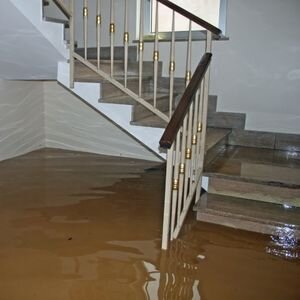
Flood-damaged property moves on a different clock than the rest of the Minnesota market. In Minneapolis, the average home sale takes 30 days, but flood-damaged homes can take 60 to 90 days to sell, depending on condition, location, and buyer interest.
Flood-prone homes can also suffer from seasonality. Buyers turn cautious in spring, right after the storms and snowmelt that put flooding on everyone’s mind. By fall and winter, it weighs on them less.
Supply changes what a buyer will put up with. Active listings in Minnesota rose 7.2% to 18,944 homes for sale in March 2026. Flood-damaged homes could be less desirable as supply grows.
Interest rates also impact buyer activity. When borrowing costs fall, more buyers can afford to shop, including those willing to take on a flooded property. When rates climb, the pool of buyers for a house that needs work gets thin fast.
And in Minnesota, results may vary by region, too. In hotter markets, a house can hold its value better after a flood than in a slower one. We buy houses in Edina and in similar suburbs, and the same flood history lands differently there than it does in a softer market. Market strength is different from demand strength.
Professional Water Damage Restoration vs Selling As-is in Minnesota
Flood damage increases professional restoration expenses quickly. Depending on the finished space and damage, basement flooding might cost $10,000 to $50,000 to restore.
Good restoration takes time. Tear-out, drying, and mold prevention can run for months. You may still have mortgage payments, utilities, storage fees, or interim housing costs.
Also, rehabilitation may not fully restore property value. Flood-damaged homes generally sell for less than comparable properties without a history of flooding. Some value reductions outweigh repair costs.
Sold-as-is properties can avoid these issues. Cash buyers acquire houses in their existing condition and fix them themselves, saving sellers money, time, and hassle.
For some homeowners, the financial comparison may support an as-is sale. Selling as-is may be better if restoration costs exceed the value added at resale.
Also important are market conditions. Minnesota homes sold above list price 33.2% of the time in March 2026, while 23.5% were discounted. Flood-prone properties may have pricing and marketing issues in slower or more competitive markets.
We buy houses in Minneapolis and the surrounding areas, giving homeowners a direct, hassle-free path to a quick sale.
Pricing Strategies for Flood-damaged Homes in Minnesota Markets

Prices for houses affected by floods have to take into account many things. We compare the home to others nearby that did not suffer flood damage. Then we change the price according to the home’s condition, flood history, and market perception.
Recent floods affect the value the most. Recent flood damage homes may sell for 10–15% less than comparable properties, but expertly remediated older flood damage homes may require smaller changes over time.
Completeness and quality of paperwork affect buyer confidence and pricing. A home with extensive repair records, contractor bills, warranties, and professional inspections usually sells better.
Long-term price takes into account flood zone classification. No matter the history of significant flooding, homes in higher-risk FEMA flood zones sell for less than those in lower-risk locations.
Buyers may consider future floods and higher insurance costs when considering homes with repeated flood incidents.
Competitive pricing may boost buyer interest and reduce market time. Due to lengthier sales times, flood-damaged properties might accumulate high mortgage, insurance, utility, and maintenance expenditures.
Finding Cash Buyers for Flood-damaged Properties in Minnesota
Selling flood-damaged property to cash buyers avoids financial concerns. Given the flood history, lenders may need additional inspections, documentation, or flood insurance before lending.
Minnesota flood patterns and property values are recognizable to local investment firms. K&G Investments buys as-is homes and can close faster than standard transactions.
Online platforms can connect sellers with cash buyers, but do your homework on firms first. Sellers can verify licensing, BBB ratings, and customer reviews to gauge credibility and experience.
Some real estate wholesalers put flood-damaged houses in front of investors. You may not get the full retail market value, but many of these sales don’t have as many contingencies and close faster.
In estate or distressed-property situations, auction companies may handle flood-damaged properties. This approach is more frequent for larger portfolios or time-sensitive sales.
Directly contacting landlords or investors can also stimulate interest. Investors may know flood damage cleanup prices since they intentionally seek damaged homes.
Selling your property? We make the process fast, easy, and fair. Reach out to us at K&G Investments today.
Timeline Expectations: Selling Flood-damaged Homes in Minnesota
Flood-damaged homes sell more slowly than normal homes. Depending on buyer demand, documentation, and financing, Minneapolis homes with flood histories can take 60–90 days to sell.
Pre-listing preparation can take weeks. Repair records, requested changes, and professional assessments may take time, but they can boost buyer confidence and marketability.
Funding needs can hold up initiatives. Flooded homes may need further inspections, appraisal evaluations, or verification of flood insurance, all of which may be required by mortgage lenders.
These properties have more extensive inspections. Buyers can add mold, structural integrity, drainage, and electrical inspections to their house inspection.
Sales of cash might cut the time greatly. K&G Investments may be able to buy properties without financing contingencies, appraisals, or inspection negotiations, speeding up closings.
Sales pace can also be affected by the season. Spring markets may raise buyer knowledge of flooding dangers, whereas fall and winter sales may have less competitiveness and fewer flood concerns.
Frequently Asked Questions
What Makes a House Unable to Sell?
Flood damage does not rule out selling a house, but other variables can make it harder. Many times, improper pricing, insufficient transparency, substantial unrepaired damage, or unreasonable expectations might be worse than the flood history. Most flood-damaged properties sell, although it may take time and clever pricing.
Is It Hard to Sell a Home in a Flood Zone?
Selling in a flood zone is doable, but it may be difficult. Buyers compare properties based on future flood risk and continuing flood insurance prices; higher-risk flood homes may be scrutinized. Flood-zone areas may sell for less than comparable homes elsewhere.
What Is the Hardest Month to Sell a House?
Minnesota buyers also respond to seasonality. Weather and holidays slow home sales in December and January. Spring markets may also highlight flooding issues after storms or snowmelt. Minimizing buyer focus on flood issues may boost winter sales.
What Devalues a House Most?
Water damage can be just as much of a blemish as other property concerns, such as structural faults, aging systems, and less desirable locations. Floods, bad repairs, or hidden water damage can diminish buyers’ confidence and marketability. When disclosure is precise, repairs are documented, and the price is fair, the long-term impact of flood history on property value is lessened.
Choosing Your Path Forward
Marketing a flood-damaged property in Minnesota requires a deliberate approach, clear communication, and a realistic perspective. Deciding between a traditional listing, an as-is sale, or a hybrid method depends on your individual situation and scheduling needs.
If you’re trying to quickly sell your flood-damaged property without the stress of repairs or an extensive marketing schedule, we are here to assist. K&G Investments buys houses in Minnesota that have flood damage, regardless of condition. No repairs needed, no agent costs, and we can close the sale in as little as two weeks. If you want to talk about your options, we’re here to help. Feel free to explore, no pressure or obligation to do anything. Have a look at K&G Investments or contact us to talk about your requirements.
Helpful Minnesota Blog Articles
- Selling Your Home During a Divorce in Minnesota
- Can I Sell Half of My House in Minnesota
- How to Sell a House With Flood Damage in Minnesota
- Should You Remodel Your Kitchen Before Selling Your Minnesota Home
- Selling A House With Unpermitted Work In Minnesota
- How Much Equity Do You Need Before Selling Your House
- How To Get Your House Appraised For Free In Minnesota
- FHA Required Repairs In Minnesota
- Can I Sell My Home After 1 Year
- The Difference Between Title and Deed Explained
- Selling a House With a Pending Lawsuit
- Average Cost To Sell A House In Minnesota
- How to Sell a Condemned House in Minnesota
- What Happens When a House Sits Vacant
- How to Sell a Condemned House in Minnesota