

Selling a home is a lot of work. Selling one while you still live there is more. You’re running a household and showing a product at the same time, often on two hours’ notice. A plan fixes most of that. Start by being honest about your work hours, the access you can give buyers, and the shape your home can hold for weeks on end.
This guide covers how to sell a house while living in it without losing every room and routine. You’ll get a checklist for the ten minutes before buyers arrive. You’ll get a decluttering method that sticks, plus a move-out-in-progress system. Your home presents well. You still get to live in it.
How to sell a house while living in it: Start with a realistic selling plan
Learning how to sell a house while living in it starts with an honest plan. Look at your work hours first. Then look at the children, the pets, the storage you don’t have, and how fast you can reset a room. Nobody’s daily life turns perfect during a sale. A seller just needs a routine that keeps the home tidy while they’re still in it. Say that out loud at the start, and the selling process stops eating your time, your privacy, and your calm.
Talk with your real estate agent about the showing schedule

Get this on the calendar before the listing goes live. You want a showing schedule that works for your household, not against it. A strong plan gives homebuyers real access while still letting you live like a person. If weekday mornings are chaos and school pickup is untouchable, say so now. Your real estate agent can write those limits into the listing instructions instead of haggling over every single request.
Ask how much notice sellers usually get in your local market. Ask whether showings can be grouped into set windows, and how requests will reach you. Plenty of sellers land on a two-hour notice period, set daytime hours, and one or two open house windows a week. That beats being on call forever. A good real estate agent will also tell you when to stretch: the first days on market, right after a price drop, or when a serious buyer has flown in from out of state.
Nail down the small stuff, too. Decide who confirms visits and where the pets go. Settle whether buyers can walk through when you’re not home, and what to do with a last-minute request. A steady routine helps homes show better because nothing gets rushed or forgotten. It also tells agents that your property is easy to see, and that easy homes attract more traffic and stronger offers. Your agent’s job is to protect the sale without acting as if the place had stopped being yours.
A last-minute checklist before buyers arrive
Once a showing hits the calendar, you’re not staging the whole home again. You’re making it feel cared for without looking fussed over. This last-minute checklist sticks to what buyers notice in the first two minutes: light, smell, clear counters, and a clean path through each space. Give the entry, kitchen, baths, and garage a quick reset. Open the curtains, turn on the lamps, and put away the evidence of the day. A home that’s ready for a tour feels calm rather than arranged, and that’s what lets a visitor picture their own mornings in it.
Staying ready isn’t about being perfect. It’s about cutting the number of choices you face when the phone rings. Pick a daily routine and run it while the property is on the market. Beds made after breakfast, dishwasher run or emptied, kitchen and bath counters wiped clean, then a ten-minute floor sweep before you head out. Keep a lidded basket in a closet for mail, chargers, pet supplies, and the rest of the stuff that proves people live here.
For surfaces, stagers use a simple rule: no more than three items per surface. A lamp, one small object, and a book or tray give a room character. Go past that, and buyers start looking past clutter instead of at the space. Clear the dining table completely, unless you’ve set it with something minimal. In a small room, that reclaimed space reads as square footage.
Build a departure routine as well. Shoes and coats away, kitchen trash out, toilet lids down, laundry doors shut. Fresh towels, one blind open, lights at a warm and even level. That’s two minutes of work, and it reads as care. Children or pets in the house? Pack one grab-and-go bag for their things and park it by the door. You want a home that handles short-notice visits without your whole life going on hold. Good staging supports how you live. It shouldn’t turn the place into a stage set.
Deep declutter your home, then create a move-out-in-progress system
A deep declutter does more than make a place look bigger. It clears up what you’re asking buyers to imagine. Before you sell your home, pull the extra furniture, the dated decor, the piles of paper, and anything blocking a sightline. Start in the garage, the closets, and the storage areas. Those spaces say whether the property has space and whether anyone’s been taking care of it. Then set up a move-out-in-progress system. Keep the daily essentials out, pack the rest by room, and give the boxes one contained space. When you are working out how to sell a house while living in it, this step buys back the most time. What’s left is a calmer home that photographs well and holds up through weeks of home selling.
Choose updates and home services with care

Not every project earns its money back at sale. Remodeling’s annual Cost vs. Value report finds the same pattern every year: small, visible exterior work tends to return well, while big interior remodels don’t come close. The updates that pull their weight are clean and obvious. Repaired trim, fresh paint in a quiet color, better lighting, new hardware, and a deep cleaning. Fix visible maintenance first, above all, anything an inspector will write up. A buyer can live with a dated finish. Signs of neglect are what make them nervous, and that’s what costs sellers money. If the repair list has grown past what you want to take on, a company that buys houses in Andover, MN, will look at the house in its current condition instead.
Staging follows the same rule. You’re not hiding anything; you’re showing scale, function, and a decent first look. A well-staged dining area, bedroom, or awkward nook helps someone see how the space actually lives. In most homes, staging the main living areas and the primary suite beats furnishing the whole house.
Vet home services the way you’d vet anything else you pay for. Ask local agents which painters, cleaners, landscapers, photographers, and stagers show up on time. Compare scope, not just the rate. Check licensing and insurance, get written estimates, and book the good ones early in a busy season. Your agent should have a short list of people they trust here. Good agents bring the same judgment to buying and selling conversations, and it guards both your timeline and your proceeds.
Real estate agent guidance for privacy, pets, and secure showings
A well-run viewing program should make buyers feel welcome without costing a seller privacy, security, or a normal week at home. The best real estate agent sets the ground rules before marketing starts and then passes them on to every person who walks through the door. That matters most when a property includes a detached garage, a workshop, a shed, a collection worth real money, children’s rooms, or animals that need careful handling.
Start with access. Don’t leave keys under a mat, and don’t let buyers walk the home alone, no matter how serious they sound. Your agent should be there for every showing, note who came, and confirm the time in advance. Early arrivals wait outside or in the car until the scheduled slot. An open front door isn’t good manners; it’s a gap. In an occupied home, clear out prescription medicines, personal paperwork, spare keys, small valuables, and anything that broadcasts your routine to a stranger.
Pets need their own plan. Some buyers are scared of dogs, some are allergic to cats, and some just can’t focus with a happy lab in the room. Send pets off-site if you can. If the pets have to stay home, settle them somewhere quiet and comfortable, and have your real estate agent flag it in advance. Never count on a buyer to close a gate behind them. Your agent should check side gates, fence lines, and yard exits at the end of every visit.
Privacy runs well past your things. Family photos, a child’s name on a bulletin board, the wall calendar, mail on the counter, and a visible alarm panel. They all give away more than you’d choose. A light edit keeps the warmth of a lived-in home while keeping your details yours. Your agent can also steer buyers away from personal questions and back to the property, the neighborhood, and the terms of the sale.
Set boundaries that help the sale rather than fight it. Decide which rooms and storage areas are open at a first viewing and which ones wait for someone serious. Buyers like a confident, orderly tour, and you keep control of your own home. Both can be true at once.
Open houses need a separate safety and departure plan
An open house isn’t just a longer showing. For a few hours, your home is open to a stream of people, some of whom never made an appointment, while your agent splits attention between greeting, answering questions, and watching the place. That earns its own plan.
Start with a departure checklist. Before you leave, secure prescription medication, cash, jewelry, firearms, sensitive paperwork, spare keys, and small electronics. A locked drawer beats a nightstand. Taking the things you can’t replace off-site beats both. Put away mail, calendars, school notices, and anything showing names, schedules, or account numbers. Sellers should also check that doors, windows, the shed, and interior storage are locked unless they meant to leave them open.
Now think about the home itself. Shut down or lock computers, tablets, and smart displays. Pull the garage remotes out of the cars and off the counters. Make sure the pets are somewhere else for the whole window. If you’ve got cameras, alarms, or smart locks, talk to your agent about them first. Recording rules and disclosure rules vary by state, and a local pro can tell you what’s normal.
During the event, the listing agent should control the entry point, keep a visitor log where appropriate, and keep guests out of areas that don’t need to be open. Your homeowners’ policy may cover theft, but the sublimits are low. Most standard policies cap stolen cash at a few hundred dollars and stolen jewelry at around $1,500, regardless of the pieces’ value. Coverage is a backstop, not a plan. Stay away until it’s completely over. Coming back early for one forgotten item makes buyers uneasy and cuts your agent off mid-conversation.
If you rent the property, use a tenant-occupied selling plan
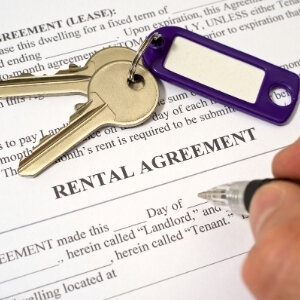
Selling a home with a tenant in it runs on a different rhythm than selling an empty one. Maybe the property is one of several rental apartments, a condominium, or one of your investment houses. Either way, the plan that works respects the lease, protects the resident’s privacy, and still tells buyers what the asset can do. A tenant should never wake up and find their home has turned into an open house.
Before selling, start with the lease, your state’s notice rules, the access terms, and any HOA or building rules. Most states require 24 to 48 hours’ notice before you enter to show the unit, though a few set their own bar, and some cities add more on top of that. Check yours instead of guessing. Then talk to the tenant directly, before marketing starts. Walk them through the timeline, how showings get scheduled, who will contact them, and what you’ll do to keep the noise down. Flexible showing windows, paid cleaning, or a modest incentive for keeping the place tidy all win real cooperation. Just don’t promise what you can’t deliver, because sellers lose goodwill fast that way.
Your selling plan should match the likely buyer. A rental that performs well appeals to an investor who cares about lease terms, payment history, operating costs, and tenant retention. Some of those buyers pay cash, and cash house buyers in St. Paul, MN, can often buy with the lease and the resident in place. If an owner-occupant is the more likely buyer, think hard about where the tenancy ends and whether the property can be toured while it is occupied. Photos, floor plans, and virtual tours reduce unnecessary visits. Grouping showings tightly limits how often the tenant gets bothered.
Above all, don’t treat an occupied property like an empty one. Give the notice, confirm the time, and never turn up with buyers unannounced. A respectful process keeps the home in better shape, reduces unnecessary friction, and presents the rental as a clean, well-run asset. That tells a buyer as much as a polished listing does.
Frequently Asked Questions
Can you sell a house while still living in it?
Yes. Sellers do this all the time. Most occupied homes get sold just fine with a realistic showing schedule, a quick daily reset routine, and clear limits agreed with your real estate agent. Keep the key rooms tidy, decluttered, and bright, and be ready for short-notice viewings.
How much notice should sellers require before a showing?
A two-hour notice period works for many households, but the right number depends on your work, school, children, pets, and the level of local buyer demand. Settle on the acceptable hours and how you’ll be reached with your real estate agent before the listing goes live.
What should I do before buyers arrive for a viewing?
Open the curtains, turn on the lamps, clear the kitchen and bathroom counters, make the beds, empty the trash, put away the laundry, and hide the everyday clutter. Hit the entry, kitchen, bathrooms, main living spaces, and garage first, since those areas shape the first impression.
Should I leave the house during a showing?
Usually, yes. Buyers ask better questions and take their time with the layout when the seller isn’t standing there. Let your real estate agent run the visit, and line up somewhere close to go with the children and pets until it ends.
How should I handle pets when selling my home?
Get pets off-site during viewings when you can. If they have to stay, secure them somewhere quiet and comfortable and tell your real estate agent ahead of time. Check gates, yard exits, and their area after every viewing.
One more option worth naming
Everything above is how to sell a house while living in it without the process running your life. It works. It also takes weeks of effort, and some sellers would rather skip that part.
If months of viewings, repairs, and guest-ready counters sound worse than the move itself, you don’t have to list. Some sellers take a cash offer instead, skip the showings, and pick their own closing date. Neither road is wrong. K&G Investments buys Minnesota homes in their current condition, so there’s nothing to stage and nobody walking through your kitchen on a Saturday. If you’d like to see what a no-showing sale would look like for your house, contact us and we’ll walk you through both sides. No pressure either way.
Helpful Minnesota Blog Articles
- What Happens When a House Sits Vacant
- Minnesota Earnest Money Rules
- Cost to List on MLS in Minnesota
- How to Sell a House on Facebook Marketplace
- Can I Sell My House if My Spouse Is in Jail in Minnesota
- How to Find a Realtor in Another State
- Should You Replace Carpet Before Selling House
- Can Medical Bills Take Your House in Minnesota
- How to Sell a House While Living in It