![Can I Sell My House With an Open Insurance Claim in [market_city]](https://image-cdn.carrot.com/eyJidWNrZXQiOiJwcm9kdWN0aW9uLmNhcnJvdC11cGxvYWRzLm9uY2Fycm90LmNvbSIsImtleSI6InVwbG9hZHMvc2l0ZXMvNzkzMTcvMjAyNi8xMC9DYW4tSS1TZWxsLU15LUhvbWUtV2l0aC1hLVBlbmRpbmctSW5zdXJhbmNlLUNsYWltLnBuZyIsImVkaXRzIjp7InJlc2l6ZSI6eyJ3aWR0aCI6MTE1Mn0sInRvRm9ybWF0Ijoid2VicCIsIndlYnAiOnsicXVhbGl0eSI6NzB9fX0=)

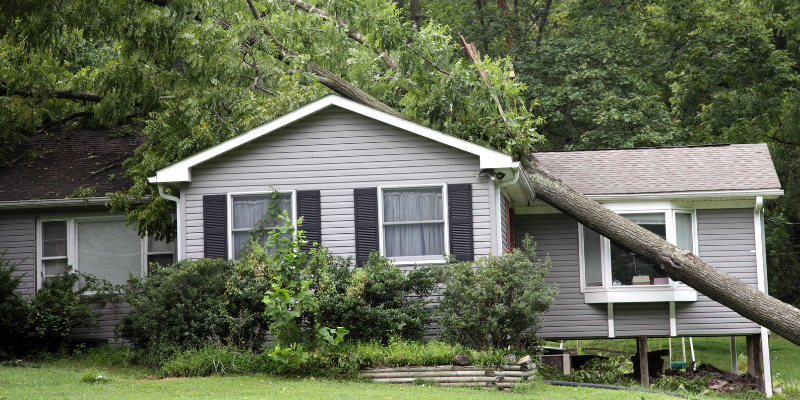
Hail rolls through the Twin Cities most summers, and the roofing trucks usually beat the adjuster to the driveway. Plenty of Minnesota homeowners end up with an open claim file right when life tells them to move. I’ve bought houses in that exact window. The roof is tarped, the check hasn’t landed, and a buyer wants to close in four weeks.
You can sell a house with a pending insurance claim in Minnesota. The pieces just have to go in the right order. Nearly all the confusion traces back to one question, and it’s a simple one: who owns the money?
Can You Sell Your House with an Open or Pending Insurance Claim in Minnesota?
A $15,000 hail damage claim in Rochester won’t attach to your title. It isn’t a lien. It won’t show up in your abstract or Torrens certificate, and the title company won’t flag it at closing. The claim is a contract matter between you and your insurer, and the deed transfer never touches it.
That surprises people who’ve heard a claim “clouds” a sale. What actually slows you down is the damage itself. A buyer’s lender may decide a tarped roof isn’t collateral it wants to finance.
Minnesota’s market gives you some room. Statewide, the median sale price reached $368,466 in August 2026, up 1.8 percent year over year, with a median of 36 days on market, according to Redfin’s Minnesota data. That’s a fairly healthy market. Conventional buyers still get nervous around active water damage, fire restoration, or a hail claim nobody has paid out yet.
You’ve got three realistic paths as a seller. One is to finish the repairs, collect the final payment, and list the house clean. Another is to settle with your insurer, keep the cash, and sell the property as-is at a discount that reflects its condition. The third takes more paperwork. You negotiate the claim over to your buyer in the purchase agreement, which needs written language and usually your carrier’s cooperation.
None of them is automatically the right one. Your fastest route depends on whether the damage is cosmetic or structural, and on how long your carrier has already sat on the file.
If you’d rather skip the repairs and sell the house as-is, you can contact us for a cash offer based on the property’s current condition. There’s no obligation, and you can compare the offer with the cost and time of waiting on the insurance claim.
Who Owns the Insurance Claim When You Sell a Home in Minnesota?
Minneapolis homes sold at a median of $375,000 over the three months ending August 2026, a 5.6 percent jump, per Redfin’s city-level tracking. Rising values still leave one thing unchanged. Appreciation belongs to the property, and the claim belongs to the policyholder.
Your homeowners insurance policy is a contract with you. Coverage follows your insurable interest, and that interest ends the moment you stop owning the property. If your purchase agreement says nothing about the claim, the right to collect for damage that happened on your watch generally stays with you. The buyer needs their own policy by closing, and it only covers damage after they take ownership.
Buyers rarely love that answer. They’re buying a damaged house and watching the proceeds leave with the seller. Expect them to push the seller for a lower price or ask to take over the claim. Minnesota cash buyers may offer another option for sellers who want to avoid waiting on the claim or handling repairs before closing.
Sloppy paperwork around assignment is how sellers get stuck mid-sale. A handshake promise to “pass along the check” is worthless if your insurer cuts a draft payable to you and your mortgage holder. Put the transfer in the purchase agreement in writing. Call your claims adjuster before you sign anything, and have a real estate attorney read the language.
Think about what an assigned claim hands over. The buyer takes on the insurer’s estimate, the depreciation holdback, and any dispute that comes with them, all without ever speaking to the adjuster. That’s a lot of risk. Settling a pending insurance claim before closing is often cleaner, or you can keep the payout and give the buyer a repair credit. If you own in the northwest suburbs, you can also talk with cash home buyers in Brooklyn Park, MN, who’ll price the damage in and leave the claim with you.
What Must Minnesota Sellers Disclose About Open Insurance Claims?

Hiding an open claim is the worst unforced error a Minnesota seller can make. It’s also completely avoidable. Minnesota Statute 513.55 requires a written disclosure before you sign a purchase agreement. It covers every material fact you know about that could adversely and significantly affect an ordinary buyer’s use and enjoyment of the property. Fire damage counts. So does water intrusion, a failed roof, or the sewer backup you filed for last year.
Selling as-is doesn’t erase that duty. As-is means you won’t make repairs; it doesn’t buy you silence. Minnesota Statute 513.57 spells out the consequence. A seller who knew a material fact and kept quiet can be held liable, and the buyer has two years from closing to sue. Weigh that against the mild discomfort of writing “ice dam, water damage to second-floor ceiling, claim filed” on a form.
A few years back I bought a duplex in Columbia Heights from a longtime landlord’s three kids after he passed. Thirty years of his belongings were still inside. The garage held a half-rebuilt snowmobile and about forty coffee cans of hardware, and an open windstorm claim on the back roof had sat untouched since April of that year. The siblings wanted one clean exit. We disclosed the claim on paper, priced the damage into the offer, and closed without anybody pretending the roof was fine.
Honest paperwork protects you more than it costs you. Write down what you know, attach the adjuster’s estimate if you have one, and let the buyer decide with open eyes. Someone who hears about the claim from you is far easier to work with than a buyer who finds it on an insurance claims report after closing.
How Does an Open Claim Affect Your Mortgage Escrow and Insurance Payout?
The settlement check arrives with your name on it and your lender’s name printed right beside it. That’s the mortgagee clause doing its job. In every transaction I’ve worked on, the second name meant the money went nowhere until the servicer signed off.
Most servicers endorse and release small payouts. Larger losses go into a restricted escrow account, and the funds come out in draws as a contractor finishes phases of the work. Inspections are often required before the final draw. That can run weeks past your closing date, which gets messy if you’re trying to sell before the work is done.
Replacement cost policies add a wrinkle. Carriers usually pay actual cash value first, meaning the depreciated value of the damaged materials. They hold back the recoverable depreciation until repairs are finished and invoiced. Sell the house unrepaired, and you may never see that second piece.
Minnesota law doesn’t let your carrier stall forever. Minnesota Statute 72A.201 lists unfair settlement practices, and several are about delay. An insurer has to acknowledge your claim within ten business days of notice. It generally has 30 business days to finish investigating and tell you whether it accepts or denies the claim, unless it explains why it needs more time. After a properly executed proof of loss, the answer is due within 60 business days. Once you agree on a settlement, payment is due within five business days. If your carrier blows past those, the Minnesota Department of Commerce takes consumer complaints.
Paying off your mortgage at closing doesn’t automatically free up escrowed insurance money. Call your servicer’s loss draft department and ask what happens to held funds after a payoff. Get the answer in writing, because phone promises tend to evaporate. Your regular tax and insurance escrow works differently, and this breakdown of what happens to your escrow when you sell your house in Minneapolis covers how that balance gets settled.
What Happens to an Open Insurance Claim After Closing on a Minnesota Home?

In most cases, you’re still the one chasing the adjuster after you hand over the keys. You’ll cancel your policy once the deed transfers, and your carrier should refund the unearned part of your insurance premiums. The claim survives as a contractual right, as long as you didn’t assign it and the policy doesn’t say otherwise. Read your policy conditions closely. Some include language about transfer of interest. For the timing on canceling coverage, our guide to homeowners insurance when selling a house in Minneapolis walks through what happens to your policy at closing.
Collecting after you’ve moved gets awkward fast. Carriers want proof of loss, repair invoices, and often photos of finished work. Supplying those is close to impossible once someone else owns the building and has started their own renovation. Save copies of your damage photos and adjuster emails before closing, since the carrier may ask for them months later.
So I tell sellers in this spot to close out the actual cash value portion before the sale. Treat the recoverable depreciation as money you probably won’t see, and price the property that way. Counting on a payment that needs access you no longer have is a bad bet.
Buyers inherit the property’s physical damage no matter what. A new owner who finds rot behind drywall files on their own policy. Their carrier will almost certainly deny anything that predates their coverage date.
When the claim is tangled, and the timeline is short, a cash sale often beats fighting the file. That’s been true in the quickest transactions I’ve seen. K&G Investments buys Minnesota houses with open claims and damage still in place, which takes the lender draw process and the repair deadline off your plate.
How Can Minnesota Buyers Protect Themselves From Inherited Insurance Claims?
For years I treated an open claim as free money for whoever closed last. That cost me on a couple of houses before I learned better. Start by asking for the claim number, the adjuster’s name, and the full estimate. A seller who won’t produce those documents is telling you something. Then compare the carrier’s scope of repair with your own contractor’s bid, because adjuster estimates on hail and water losses often run light.
Insurability matters just as much. Prior claims follow a property through loss history reports. A house with repeated water losses can draw higher premiums, or a flat refusal to write a new policy. Ask your agent to price coverage before your inspection contingency expires.
Escrow holdbacks solve plenty of these closings. The title company holds a negotiated sum at closing and releases it once the repair is verified complete, so nobody relies on anyone’s memory. Put the holdback amount and the repair deadline in writing, plus what happens to the money if the work never gets done.
Financing is the next hurdle. Conventional and FHA underwriters both look hard at habitability and roof condition, so bring your loan officer in early. Cash buyers and investors carry that risk more comfortably. That’s part of why damaged Minnesota homes so often trade off-market, including to investor home buyers in Bloomington and other Minnesota cities.
If you’re taking over the claim, get a written assignment. Verbal agreements between a seller, a buyer, and an insurance company fall apart at the first argument over depreciation. The document should list the claim number and say who receives any remaining insurance checks, including recoverable depreciation.
Are Insurance Proceeds Taxable After You Sell a Minnesota Home?

Sellers usually ask about taxes last, and it’s the question that costs them the most sleep. Insurance money generally isn’t treated as income. It reimburses a loss, and it reduces your adjusted basis in the property instead of showing up on your return like a paycheck.
You only have a gain when the proceeds exceed your adjusted basis in the damaged property. Collect more than you had invested in what was destroyed, and you may have a casualty gain. You can sometimes postpone that gain by reinvesting in replacement property. IRS Topic 515 covers the loss side. Personal-use losses used to be deductible only when tied to a federally declared disaster, and starting with 2026, qualifying state-declared disasters count too.
Selling your primary residence brings the federal home sale exclusion into play. It shelters up to $250,000 of gain for a single filer and $500,000 for a married couple filing jointly, if you’ve lived there two of the last five years. When fire or a storm destroys the house, the IRS treats that destruction as a sale for this test. You can pair the exclusion with the reinvestment rule when the gain runs higher.
Rental and investment property is a different animal. Depreciation recapture, earlier casualty loss deductions, and basis adjustments from repairs you already expensed all interact. The answer depends on records I can’t see. Talk to a CPA before you sign anything, not in April, and bring the insurance settlement letter and your last few years of tax returns to that first meeting.
Frequently Asked Questions
Can I Sell My Minnesota House with an Open Insurance Claim?
Yes. Nothing in Minnesota law stops the sale. You’ll need to disclose the claim, agree with the buyer on who keeps the proceeds, and clear any mortgage company requirements tied to funds the lender is holding.
Does My Lender Have to Release the Insurance Money?
Usually, though, on their schedule. Servicers typically release funds in draws as repairs pass inspection, and on smaller claims they may endorse the check outright. Call your loss draft department and get their written requirements before you plan around the money.
Who Gets the Insurance Check If the House Sells Before Repairs Are Done?
Whoever the purchase agreement names. Without language assigning proceeds to the buyer, the seller generally keeps funds paid for damage that happened during their ownership. Put it in writing either way.
Can I Sell the House As-is and Keep the Claim Money?
Often, yes, especially to a cash buyer who prices the property with the damage in place. Your lender payoff still has to clear, and any funds the servicer holds in escrow get settled at closing. If you’d like to talk through your own claim, K&G Investments is happy to walk you through your options with no obligation.
If you’re sitting on an open claim and a house you’d rather not fix, it costs nothing to talk through your options. K&G Investments gives you a straight read on what the property is worth damaged, what it’s worth repaired, and whether selling now actually beats waiting out the draw process. Call us at (612) 400-8070 whenever you’re ready. No pressure, no obligation, just a conversation.
Helpful Minnesota Blog Articles
- What Happens When a House Sits Vacant
- Minnesota Earnest Money Rules
- Cost to List on MLS in Minnesota
- How to Sell a House on Facebook Marketplace
- Can I Sell My House if My Spouse Is in Jail in Minnesota
- How to Find a Realtor in Another State
- Should You Replace Carpet Before Selling House
- Can Medical Bills Take Your House in Minnesota
- How to Sell a House While Living in It
- How to Sell House and Move Out of State
- Property Tax Foreclosure Minnesota
- How Much Does It Cost to Relocate a House
- Can I Sell My House with a Pending Insurance Claim in Minnesota