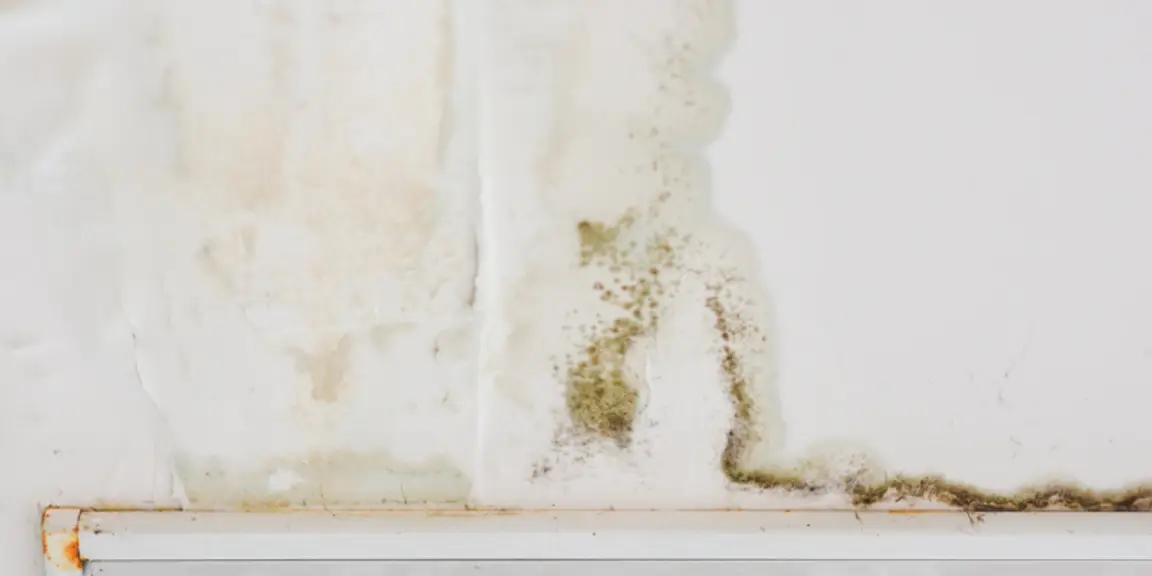

Standing water under a house doesn’t announce itself. It sits quietly until a buyer’s inspector pops the hatch with a flashlight on a Tuesday afternoon, and a sale that felt locked in starts wobbling. I’ve bought houses all over Minnesota, from St. Cloud to Rochester, and crawl space water is one of the most common reasons I see a sale fall apart. It’s also one of the most survivable. Minnesota sellers get through it all the time, and the ones who do best stop treating the wet spot like a secret.
Why Crawl Space Water Matters More Than Sellers Think
You can sell this house. I’ll say that first, because most Minnesota sellers sitting at the kitchen table with an inspection report have already decided they can’t.
What sets crawl space water apart from a cracked driveway is what it implies. A buyer doesn’t see a puddle. They picture mold creeping through the joists, a foundation shifting over a few Minnesota freeze-thaw cycles, and an insurance adjuster shaking his head. That leap happens fast, and the price cut that follows is usually bigger than the real repair would’ve cost.
Timing makes the squeeze worse. Clever’s statewide Minnesota numbers put the median home sale at 54 days start to finish, with 25 days to get under contract and 29 days to close. Lose a buyer at day 30 over crawl space water and that clock starts over. Now you’re doing it with a listing that looks stale.
Early last year I sat down with a young couple in Chaska who’d bought their next place before selling the old one. They’d been quietly carrying two mortgages for most of a year, too embarrassed to tell family. The holdup was standing water under the back addition, and two buyers had already walked away over it.
Carrying costs don’t care about your reasons. Every month a Minnesota house sits unsold, you’re paying the mortgage, taxes, insurance, and utilities on a building nobody’s living in.
Why Do Minnesota Crawl Spaces Take on Water in the First Place?
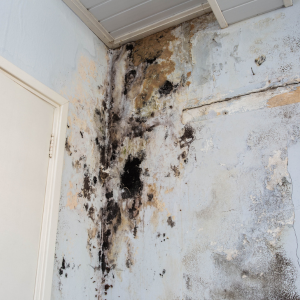
Start with the dirt. Large parts of Minnesota sit on glacial till and heavy clay, which holds water like a sponge instead of letting it drain. When that soaked soil presses against a foundation wall, hydrostatic pressure pushes moisture through every hairline crack and mortar joint it can find.
Spring is the annual reckoning. Frozen ground can’t absorb snowmelt, so the water runs sideways along the frost line until it finds a low, open cavity. Often that’s your crawl space. Houses in older neighborhoods like Northeast Minneapolis or St. Paul’s Dayton’s Bluff went up before anyone thought hard about perimeter drainage.
Gutters and downspouts cause more of it in Minnesota than any structural defect I’ve run into. A downspout that dumps two feet from the foundation during a June thunderstorm sends hundreds of gallons straight into the soil beside your footings. If you’re trying to sell your house fast in St. Paul, MN, walk the gutters before you call anyone about the crawl space.
Then there’s the sump. Plenty of Minnesota homes have a sump pit with no pump in it, or a pump that died three winters ago and nobody noticed because nobody crawls back there. A float switch sticks. The discharge line freezes solid in January. By April the whole sump system is a decorative hole in the ground.
Grading finishes the job. Landscaping settles over the years, so a yard that once sloped away from the house can end up tilting toward it. Take a five-minute walk around the place during a heavy rain and watch where the water goes.
Is a Septic Problem the Real Source of Your Crawl Space Water?
“Why does it smell like that down there?”
Sellers ask me that question more than you’d guess. It matters because septic water and groundwater carry different legal duties in Minnesota. Clear, odorless water that seeps in after a storm points to drainage. Gray, soapy, or foul-smelling water near the crawl space of a rural property suggests a failing drainfield or a cracked building sewer.
Greater Minnesota is where this gets real. Homes around Brainerd, Park Rapids, and the lake country west of Alexandria often run on subsurface sewage treatment systems instead of city sewer. A saturated or undersized drainfield can push effluent to the surface, and on a sloped lot that water heads toward the house.
Septic disclosure in Minnesota has its own statute, separate from the general seller disclosure. Under Minnesota Statutes section 115.55, subdivision 6, the law requires you to tell the buyer in writing how sewage at the property is managed, and you do it before signing a sale agreement. If you know an abandoned system sits on the land, the disclosure needs a map showing where it is. You’ll also share what you know about the system’s compliance status. The standard Minnesota septic disclosure form asks outright whether it’s a straight-pipe system, too.
Minnesota counties layer their own rules on top. Blue Earth County, for instance, requires that the buyer get a compliance inspection or current certificate of compliance at transfer. The other route there is a written agreement to replace a noncompliant system. Yellow Medicine County’s ordinance asks for a written disclosure at transfer and doesn’t force an upgrade just because the property sells. Put that question to your county environmental services office before you list.
Don’t guess at the source of water on a Minnesota septic property. A licensed inspector can settle that question, and the answer changes what you have to put in writing.
What Are Buyers Really Reacting to When They See Crawl Space Water?
Fear drives the reaction more than arithmetic does. Minnesota buyers have heard the mold horror stories, and crawl space water sets off that script instantly, even when the fix is a sump pump and a regraded flower bed.
Lenders add weight. FHA rules require a crawl space to be free of pooled water and excessive dampness, so an FHA appraiser who sees standing water can trigger a required fix before the loan funds. That takes FHA buyers out of the running, and a shrinking buyer pool costs you more than the repair line item does.
Minnesota’s market gives you a little cushion right now, though less than it did a year ago. The Minneapolis Area Realtors weekly report for the week ending October 17, 2026 showed the Twin Cities median sales price up 1.3 percent to $395,000. Days on market climbed 11.4 percent to 49, and months of supply rose to 3.3. With more listings to pick from than they had in 2022, buyers walk away from problems faster.
Sellers underestimate the pricing psychology. A buyer facing this problem doesn’t just subtract the repair estimate. They subtract the estimate, a worry premium, and whatever their contractor uncle said at Thanksgiving. I’ve watched a modest drainage fix turn into a price cut several times its size because the seller let the buyer’s imagination do the math.
Documentation flips that. A written evaluation from a Minnesota waterproofing contractor, with a scope and a number, swaps imagination for a bid.
Where Does Crawl Space Water Show Up on the Seller Disclosure Form?

That bid belongs in your paperwork, because Minnesota’s standard seller disclosure statement asks about water intrusion directly. The form most Minnesota brokerages use covers past or present water in the basement or crawl space. It also asks about drainage, sump pumps, and repairs you’ve made.
Answer the question that’s asked. If water showed up twice during spring melt in 2024 and once after a storm last July, write that down. Vague answers like “minor seepage” invite arguments later.
Repairs get disclosed too. Installed a sump pump in 2023? List it, note who did the work, and attach the invoice. A buyer reading a clean repair history relaxes. One who finds an undisclosed sump pit during inspection starts wondering what else you left out.
I see this mistake constantly in Minnesota sales. Sellers who fixed the problem years ago leave the disclosure blank because the water’s gone. The form asks about past conditions as well, and a dry crawl space with a history still has a history.
Selling a house you inherited but never lived in? Minnesota’s disclosure obligation keys on what you personally know. An heir who’s never been in the crawl space answers honestly about limited knowledge instead of inventing a condition report.
What Does Minnesota Law Require When You Disclose Crawl Space Water?
Minnesota’s disclosure duty lives in statute. Section 513.55 requires a written disclosure of the material facts you’re aware of that could adversely and significantly affect an ordinary buyer’s use and enjoyment of the property. You can read the text on the Minnesota Revisor’s site. Recurring moisture in the crawl space qualifies. So does the mold that followed it.
Knowledge is the hinge the whole statute swings on. Nobody expects you to report what you’ve never seen or been told, and section 513.57 sets out how liability works for errors and omissions. You are expected to be straight about what you do know.
That duty runs right up to the closing table. Under section 513.58, if you learn your disclosure was inaccurate, you have to tell the buyer in writing as soon as reasonably possible, and in any case before closing.
Concealment carries real exposure here. Hiding defects or misrepresenting a home’s condition can support claims of fraud, negligence, or breach of contract. For how liability and filing deadlines apply to you, an hour with a Minnesota real estate attorney is money well spent.
Waivers exist, though they’re narrower than people assume. Section 513.60 lets the buyer and seller waive the general disclosure if both agree in writing. That waiver doesn’t touch disclosure duties under other laws, including the septic disclosure I covered earlier.
Should You Fix the Crawl Space Water, Disclose It, or Sell As-is?
For years I told sellers to fix everything before listing. I was wrong often enough that I stopped. If you’re curious who’s behind that advice, the story behind our company covers how we work with Minnesota sellers.
Repair makes sense when the cause is obvious and cheap. Regrading a flower bed, extending downspouts, or swapping a dead sump pump is a weekend and a modest invoice. Once it’s done, crawl space water drops out of the conversation entirely.
Full waterproofing is a different calculation. Angi’s cost guide puts crawl space encapsulation at an average of $5,500, with most homeowners paying between $5,000 and $15,000. Spending the high end of that on a house priced near the Minnesota median rarely comes back dollar for dollar at resale.
Partial fixes are the trap. Run a dehumidifier for two weeks, call it solved, and you’ve created a disclosure problem instead of a repair. Inspectors still find efflorescence, rust lines, and rotted sill plates, however dry the floor looks on showing day.
Selling as-is is a legitimate strategy in Minnesota, and it isn’t hiding anything. You still complete the disclosure. You’re telling the market you won’t do the work, and you price for that.
Your runway decides which option fits. If you can float carrying costs for a few months and supervise a contractor, repair and list. If you’re carrying two payments or settling an estate, the math usually favors a buyer who takes the crawl space water as-is. We buy Minnesota houses in exactly that condition at K&G Investments, which spares you the contractor roulette.
How Do Your Options Compare for Selling a Minnesota House with Crawl Space Water?
On paper, the fix-first plan looks simple. You repair the crawl space water, list at full market value, and recover the cost in the sale price. It tends to break at the appraisal. A freshly waterproofed Minnesota home appraises like any other dry home, so the encapsulation bill often comes back as a cleaner inspection and only part of its cost in added value.
Listing as-is with an agent is the middle path. You’ll reach retail buyers, field lower offers, and probably renegotiate after inspection. Minnesota cash buyers do shop as-is listings, though financed buyers dominate the pool and their lenders have opinions about standing water.
Selling at auction is a poor fit. Minnesota auction bidders discount heavily for unknown conditions, and crawl space water is exactly the kind of unknown that invites a lowball.
A direct sale to an investor trades price for certainty. The same Clever data shows the typical Minnesota home selling on the open market for $379,000 in about 54 days, while a direct cash sale can close in as little as 7 days. You’ll net less. You’ll also skip the showings, the inspection renegotiation, and a second spring of crawl space water. It’s the same choice homeowners face when they want to sell a house fast in Bloomington, MN with a wet crawl space.
Seasonality matters, because Minnesota weather isn’t subtle. List in late March, right as the snowpack lets go, and buyers tour during peak visibility of the exact problem you’re selling around.
Which timeline can you live with? For most Minnesota sellers I talk to, that one question settles this faster than any spreadsheet.
Which Path Fits Your Crawl Space Water Situation?
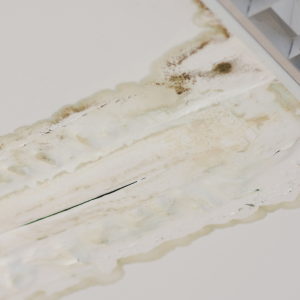
A lot of crawl space water fixes are exterior work. Contractors like pitching encapsulation, yet grading, downspout extensions, and a working sump often solve the problem for a fraction of the price. Ask any Minnesota contractor for an exterior-first evaluation before you authorize a liner.
Equity drives how you sell more than condition does. An owner with plenty of equity can absorb a repair and wait for a retail buyer. Someone who bought in 2022 and owes close to what the house is worth has far fewer moves, and crawl space water eats whatever cushion is left.
Occupancy matters too. A vacant Minnesota property with crawl space water deteriorates fast, especially through a winter with the thermostat set at 50. Pipes near a damp crawl space are usually the first casualty. If you’ve got a vacant house with a damp crawl space, contact our team and we’ll talk through your timeline.
A woman in Northfield reached out while settling her father’s estate in the middle of her own divorce. She was explicit about what she wanted: the sale handled, not optimized. Judging by the rust ring on the old furnace base, his crawl space had taken on water for years. She needed a closing date she could put in front of two attorneys, and crawl space water repairs were never going to fit that timeline.
Estates and divorces push Minnesota sellers toward certainty. When a sale has to clear by a court date or a settlement deadline, a month and a half on the market plus an inspection renegotiation isn’t a plan.
Still unsure? Get one honest evaluation from a Minnesota waterproofing company and one no-obligation offer from a direct buyer. Then hold both up against your own deadline. K&G Investments will look at a Minnesota property with crawl space water and give you a number without asking you to fix anything first, which makes the comparison real.
Frequently Asked Questions
Is It Okay to Have Water in a Crawl Space?
No, though “not okay” doesn’t mean “emergency.” Occasional moisture after heavy rain is common in Minnesota. Standing water that lingers breeds mold, rots framing, and raises humidity in the house above it. If water sits for more than a day or two, or comes back every season, treat it as a real defect rather than a quirk of the house.
What Does It Cost to Get the Water Out of a Crawl Space in Minnesota?
Pumping out and drying the space is usually the cheaper half of the job. Price depends on how much water there is and how tight the access is. Keeping it from coming back is the bigger bill, closer to the encapsulation figures above. Get two or three Minnesota contractor bids, since pricing for the same crawl space water problem can swing a lot.
Do I Have to Tell Buyers About Crawl Space Water If I Already Fixed It?
Yes. Minnesota’s disclosure form asks about past conditions, and a repaired issue is still a known material fact. Disclosing the old crawl space water with the repair invoice usually helps you. It shows the buyer the problem got handled by someone who knew what they were doing.
Can I Sell a Minnesota House As-is with Water in the Crawl Space?
Absolutely, and plenty of Minnesota sellers do. As-is means you’re not making repairs. It doesn’t excuse you from the written disclosure the state requires. Expect offers priced to reflect the condition, and expect cash buyers to make up a bigger share of your interest than they would on a dry house.
Will Crawl Space Water Stop Me From Getting a Mortgage Buyer?
It can. Government-backed loans are the strictest, and the lender may require the crawl space water to be fixed before funding. Conventional buyers have more room, though their inspectors will still raise it. Plan on either fixing the issue or pricing for a buyer who doesn’t need financing.
How Fast Can I Sell a Minnesota House with Crawl Space Water?
A direct sale can close in about one to two weeks once title clears, since there’s no appraisal or lender timeline. Selling through an agent takes longer and depends on how the crawl space water reads to retail buyers in your part of Minnesota. Rural properties with septic questions layered on top usually take the longest.
If you’re staring at a wet crawl space and a stack of decisions you didn’t ask for, it helps to talk it through with someone who’s seen it before. We’re happy to walk the property and tell you plainly what we see. If you’d like a number, we’ll give you one, and you’re free to ignore it. Nobody’s going to call you twice a week afterward.
Helpful Minnesota Blog Articles
- Property Tax Foreclosure Minnesota
- How to Sell House and Move Out of State
- How Will Medicaid Know if I Sell My House
- How Much Do Realtors Charge to Sell a House in Minnesota
- How Much Does It Cost to Rebuild a House After a Fire
- Can I Sell My House for Less Than Appraised Value
- Can an HOA Take Your House in Minnesota
- Selling a House with Water in the Crawl Space in Minnesota