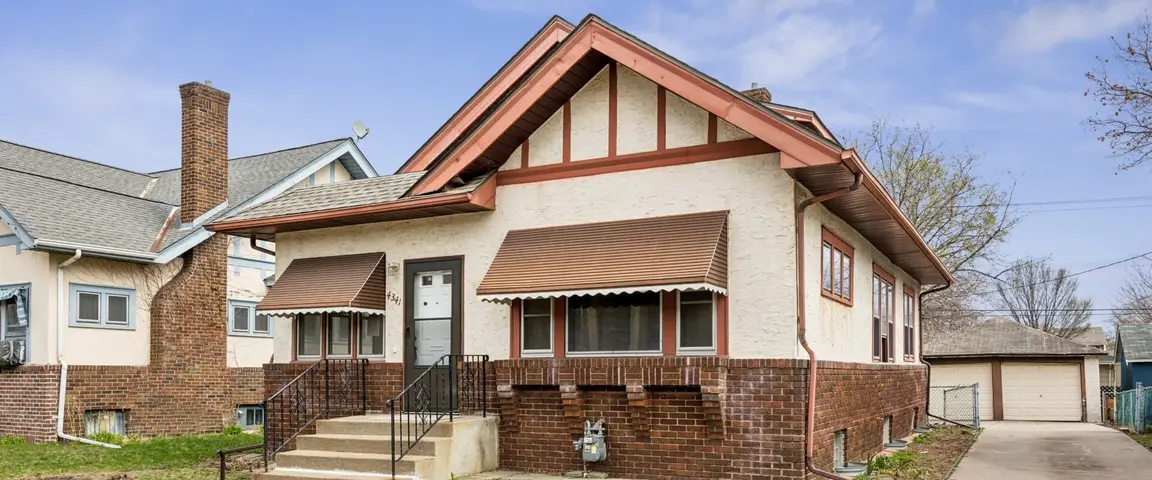

A house is worth what a willing buyer pays a willing seller. Appraisers, agents, and county assessors all produce numbers. Those numbers shape the talk, yet none of them writes the check. So yes, you can sell below your appraised value. Plenty of owners do it for reasons that have nothing to do with bad math.
The law rarely stops anyone here. What holds most sellers back is a worry that taking less than the appraised value means they got taken for a ride. That worry deserves a straight answer.
What Does Appraised Value Mean for Sellers?
Picture a landlord splitting assets in a divorce who wants one thing, which is the sale handled. His duplex has a detached garage packed with thirty years of tools. Every offer on the table comes in under the appraised value. Finishing matters more to him than squeezing out the last dollar, so he takes the lower number and moves on.
An appraisal is a licensed professional’s opinion of value on one specific day. It’s written for one purpose, and that purpose is usually a mortgage lender protecting its collateral. The appraiser isn’t your advocate, and they can’t predict what your house will fetch next spring.
Confusion starts because sellers meet three different numbers and treat them as one. Your county assessment drives your property tax bill. Your agent’s comparative market analysis (CMA) is a pricing opinion. The appraisal sits between them, more rigorous than a CMA and usually far more current than a tax assessment.
None of those three is the true market value until someone actually buys.
Nationally, the market has cooled enough that this gap shows up more often. Redfin reported a median U.S. home sale price of $388,634 in October 2026, about 0.4 percent lower than a year earlier. Homes took a median of 50 days to go under contract. In a softening market, appraisers pull comps from months when prices ran a bit higher, so some appraisals land above what today’s buyers will pay.
That’s no flaw in the report, just a lag, and lags cut both ways.
How Do Appraisers Calculate a Home’s Appraised Value?
For a standard single-family house, the appraiser leans on the sales comparison approach. In practice that means pulling at least three recently closed sales nearby, ideally similar in size, age, and condition.
Then come the adjustments. Does your comp have a finished basement that yours lacks? That gets subtracted. Did you add a bathroom last year that the comp doesn’t have? That gets added. Each adjustment is a judgment call backed by market data, so two competent appraisers can land well apart on the same house.
Location and condition carry outsized weight in that math, along with recent closed sales close to your home, while most other details matter far less.
Some things that matter just as much never show up in the report. Your urgency to sell isn’t in there. Neither is a cracked sewer line nobody has inspected, or a buyer pool that shrank after a local plant announced layoffs. The report answers a narrow question, assuming normal marketing, reasonable exposure time, and a buyer who isn’t in a hurry.
Appraisals aren’t free, either. A typical single-family appraisal runs a few hundred dollars, and FHA and VA appraisals often cost more because of their added condition rules.
Some sellers treat one report like this as gospel. They turn down solid offers while waiting for one that matches it, and that offer often never comes. An opinion written for a lender’s file is a data point, and nobody carved it into a floor price.
Why Would a Home Sell for Less Than Appraised Value?
Say you inherited your mother’s house and need cash within six weeks to settle the estate. Your first reaction might be, “If the house is worth that much, why would I take less?” That’s a fair question. The appraised value measures the property in isolation. You’re selling it under your own circumstances, on your timeline, and in its current condition.
Deferred maintenance is a common driver. Appraisers often value a house as-is, yet they lean on comps that were painted, staged, and photographed well. A property with a failing roof and twenty-year-old mechanicals draws far fewer buyers than the comp down the street.
Speed costs money too, since a seller who needs to close in two weeks is paying for certainty, and that discount is real and rational. If you’re on a short clock, see how we buy houses in St. Paul for cash on the date you pick.
Then there’s the family transfer. Parents sell to a child below appraised value all the time, and heirs often buy out siblings at a negotiated figure. Nobody in those cases got cheated.
Financing trips up sellers as well. An FHA or VA lender may require repairs before it will fund, and on an older house that can stall the closing for good. So some sellers trade dollars for a buyer who doesn’t need a lender’s blessing.
Carrying costs quietly eat the difference. Mortgage, taxes, insurance, utilities, and lawn care on a vacant house add up month after month. Holding out eight extra months for another three percent can easily turn into a losing trade once you count what waiting cost you.
Supply plays a part as well. Redfin counted about 1.53 million homes for sale nationwide in October 2026, up 2 percent from a year before, so buyers have options and less reason to stretch.
Is It Legal to Sell a House Below Appraised Value in Pennsylvania?
“Can someone stop me from selling my own house too cheap?” The short answer is no. Pennsylvania doesn’t set a price floor, and neither does any other state. Real estate laws cover disclosure, title transfer, deed recording, and transfer taxes. The price is yours and your buyer’s to agree on.
Where states differ is in the mechanics around the sale. Some require an attorney at closing, while others let title companies handle everything. Transfer tax rates vary widely, too. Pennsylvania can tax a transfer that isn’t an arm’s-length sale on a “computed value,” which is the assessed value multiplied by a county ratio. That figure can run higher than your price. Your county recorder of deeds can tell you how your transfer tax gets figured before you sign anything.
Selling below appraised value gets complicated only when someone else has a legal interest in the proceeds.
A lender comes first. If you owe more than the sale price, you’re in short sale territory, and the mortgage lender must approve it in writing. An executor selling estate property often answers to the probate court and to beneficiaries who can object. Divorcing spouses typically need both signatures or a court order.
Selling to a relative below market value can also bring in the IRS, because it can treat the discount as a gift. The federal annual gift tax exclusion is $19,000 per recipient for 2026, the same as in 2025. Gifts above that generally mean filing Form 709, though most people still owe no tax because the excess counts against a lifetime exemption.
Document your reasoning when you discount. Keep the appraisal, the repair bids, and a short written note on why you accepted the price. That record protects you if anyone questions the sale later.
How Does a Low Appraised Value Impact Your Mortgage Approval?
Imagine a buyer under contract at $400,000 with twenty percent down and full approval. The appraised value lands at $380,000, and that approval quietly shrinks overnight.
Lenders base the loan on the lower of the contract price or the appraised value. The loan doesn’t vanish, but it gets smaller, and someone has to cover the difference in cash.
Low appraisals aren’t rare, and CoreLogic found that 8.6 percent of homes in the closing process in June 2024 appraised below the contract price. FHFA research put the yearly rate between 7 and 9 percent from 2013 to 2020. The odds favor you, yet any seller should have a plan.
When the number comes in short, you’ve got four options. The buyer brings extra cash. You drop the price to the appraised value. You both split the gap. Or somebody walks.
Contingency language decides who holds the leverage. FHA and VA loans come with clauses that let buyers exit cleanly after a low appraisal. Conventional contracts vary by state and by what the buyer waived to win the house. A buyer who waived that protection may forfeit earnest money by walking.
Ask for a reconsideration of value before you concede. If the appraiser used stale comps or missed a recent sale two blocks over, your agent can send better data through the lender. It’s worth the effort, though it usually nudges the appraised value modestly rather than erasing a big gap.
Cash buyers skip this whole sequence, since no lender is underwriting the collateral. That’s why a cash sale can move on your schedule when you sell your house fast in Bloomington.
What Happens When the Sale Price Is Less Than the Appraised Value?
A contract priced under the appraised value is actually the easiest kind to close. The buyer’s lender sees an equity cushion on day one and stops worrying.
Mechanically, very little changes. Title transfers the same way, the deed records the same way, and most closing costs run off the actual sale price.
Your buyer walks in with instant equity, which is exactly why some sellers hesitate, and that feeling makes sense. Still, the equity only exists if the appraised value was accurate, and it assumes a prepared house marketed for a normal stretch of time.
Watch a few practical items. Your proceeds shrink, which matters if you’re buying next and counting on a down payment. Any mortgage payoff comes out first, so run that math before you accept. In Pennsylvania, remember that transfer tax may follow a computed value rather than your price.
If the discount is large and the buyer is related to you, a real estate attorney and a CPA are worth the cost. The IRS can treat part of a bargain sale as a gift, which affects your filings and your buyer’s cost basis.
Investors often ask about your timeline before your price, and there’s a reason. A seller who can wait six months gets a different number than one who needs out by month’s end. Both numbers can be fair. You can read about our company and how we work with sellers before you ever talk numbers.
What Are the Risks of Selling for Less Than Appraised Value?
Discount too deep on a house that only needed a weekend of paint, and you hand a stranger money you’ll never see again. That risk is honest and real.
Regret is a frequent cost. Some sellers accept a fast offer during a rough stretch, watch the house resell six months later for more, and carry that for years. Before you sign, get a second opinion on value from someone with no stake in the outcome.
Lowballers hide behind urgency. A buyer who pushes you to decide within hours is managing you. Walk away from that pressure, because legitimate buyers let you sleep on it.
Selling to family carries its own landmines. A sibling who learns the estate property sold under the appraised value may challenge the executor personally, and probate courts take those complaints seriously.
Medicaid planning is the risk most people never consider. Transferring property below fair market value within the look-back period, which is five years in most states, can delay long-term care eligibility. An elder law attorney in your state should review any discounted property transfer involving an aging parent before it closes.
Your buyer’s tax basis deserves a look too. When you sell to a relative well under value, their basis is generally the greater of what they paid or your own adjusted basis. They also give up the stepped-up basis an inheritance would bring, which can mean a bigger tax bill when they eventually sell.
None of this means you shouldn’t do it. It means doing it with your eyes open and pricing the discount on purpose instead of taking whatever shows up first. When we make an offer at K&G Investment, we explain how we got there. A seller who understands the number sleeps better than one who just signs it.
Does Selling Below Appraised Value Affect Your Taxes?
Sell for less than the appraised value and you might expect a loss to write off. For a personal residence, that deduction doesn’t exist. Losses on a home you lived in aren’t deductible, as the IRS explains in Topic 701 on selling your home.
Federal capital gains tax runs off your gain, which is the sale price minus your adjusted cost basis. The appraised value doesn’t enter into it. Under Section 121, you can exclude up to $250,000 of gain if you file single, or $500,000 if married filing jointly. You must have owned and lived in the home for at least two of the five years before the sale. The home sale tax exclusion has its own ownership and use tests, so check that you meet both before you count on it.
Investment property follows different rules. Losses on rentals may be deductible, and depreciation recapture can apply even on a discounted sale.
Property tax trips up a lot of sellers. Your assessment doesn’t automatically drop because you sold low, and your buyer’s new bill depends on how your county handles reassessment after a transfer. Some counties reassess at the sale price, and some don’t reassess at all.
The gift angle returns if your buyer is family. Sell a house to your daughter well under its appraised value and the IRS may treat the discount as a gift. That affects reporting even when no tax is owed.
State treatment layers on top of all this. Several states impose their own estate or inheritance taxes, and transfer tax rules differ. Talk to a CPA licensed in your state before you sell at a discount.
Should You Ever Accept Less Than Your Home’s Appraised Value?
Take a $20,000 gap as an example. Would you spend $20,000 to be done in three weeks instead of five months? Some sellers would call that an easy yes. Others would call it absurd, and both answers can be correct.
Run the arithmetic before you decide. Start with the list price and subtract agent commissions, the repairs an inspector will find, and any concessions. Then subtract five months of carrying costs and the risk your buyer’s financing collapses. Compare that net to a firm offer you can take today.
A discount deserves serious thought from anyone facing foreclosure, heirs living out of state, landlords tired of turnover, and owners whose houses need more work than their budget allows. Sellers with time, a sound house, and no pressure probably shouldn’t take one.
Think of a landlord who has watched two agent listings expire back to back with no offers. One unit has a bathroom gutted to the studs, which scares off every financed buyer who tours it. He’s already paid for staging twice.
Ask yourself a better question. Skip “what’s my house worth?” and ask “what’s my best net outcome given my actual situation?” Those produce different answers, and only one of them pays your bills.
If a direct sale fits, get the offer in writing and compare it honestly against a listing. The team at K&G Investment will walk through both paths with you, including the one where listing wins. When you’re ready, contact us with your questions and we’ll get back to you with straight answers.
Frequently Asked Questions
What Should I Do If the Appraisal Comes in Below the Agreed Sale Price?
You’ve got four workable moves, and none of them call for panic. Your buyer can cover the shortfall in cash, or you can lower the price to the appraised value. You can also split the difference. Another route is having your agent request a reconsideration of value with stronger comps. Most of these situations end in a negotiated price rather than a dead contract.
Can I Sell My House to My Child for Less Than Its Appraised Value?
Yes, and families do it often. The IRS may treat the gap between the price and the appraised value as a gift, so a gift tax return could be required even though no tax is typically due. Your child’s basis is generally the greater of what they paid or your adjusted basis, so loop in a CPA before closing.
Will My Property Taxes Go Down If I Sell Below the Appraised Value?
Not automatically, and not necessarily for your buyer either. County assessments follow their own schedule and methods, separate from the appraised value a lender orders. Some counties reassess after a transfer and some don’t, so your local assessor’s office is the place to get a straight answer.
Does a Low Appraised Value Mean My House’s Actually Worth Less?
It doesn’t have to. An appraised value reflects one professional’s read of closed comps on one day. Appraisers can miss recent sales or weigh adjustments differently than the market does. If you think the figure is off, gather better comparable sales and ask for a reconsideration of value through the lender.
Is There a Minimum Price I’m Legally Required to Accept?
No state sets a floor on what you can sell your own house for. The limits come from people with a financial stake. That could be a mortgage lender who must approve a short payoff, a probate court supervising an estate, or a co-owner whose signature you need. Clear those and the price is between you and your buyer.
If you’re weighing a below-market offer against a few more months on the market, we’re happy to talk it through. We’ll give you our honest read, even if the answer is that listing serves you better. There’s no pressure and no obligation if you decide to wait.