

Let me be straight with you. In March 2026, home prices in Minnesota were selling for a median price of $355,300, which means there’s real money at stake here. But selling a house that needs repairs isn’t the same as selling one in move-in condition. You’ve got different buyers, different timelines, and different strategies to consider.
Most homeowners in your situation make one crucial mistake: they assume they need to fix everything before selling. That’s not always true. Sometimes the smartest financial move is selling as-is, especially in Minnesota’s current market, where the median days on the market was 43 days.
Minnesota Real Estate Market Analysis for Homes Requiring Major Repairs
Minnesota’s housing market tells an interesting story for damaged properties. In August 2024, the median sales price reached $352,000, reflecting a 1.7% increase from the previous year. But here’s what most people don’t realize: this moderate growth actually creates opportunities for sellers with properties needing work.
Think about it from a buyer’s perspective. With the average months of supply at 3 months, inventory remains tight. Cash buyers and investors are actively looking for properties they can improve and either flip or convert to rentals. Your damaged house isn’t a liability in this market (it’s potentially someone’s next project).
I’ve noticed something interesting in neighborhoods like Uptown, Northeast Minneapolis, and parts of St. Paul. Investors are paying competitive prices for homes with foundation issues, roof problems, and even fire damage. They understand the numbers better than most homeowners do.
Here’s the reality check: Minnesota ranked 27th with a foreclosure rate of one in every 6,251 households, with the state reporting 399 foreclosures out of 2,493,956 total housing units. This relatively low foreclosure rate means the market remains stable, which is good news if you’re trying to avoid foreclosure by selling a damaged property.
For context, companies like K&G Investments specialize in purchasing homes that need repairs throughout Minnesota. They understand that not every seller has the time, money, or energy to handle major renovations.
Property Valuation Strategies for Minnesota Homes with Structural Issues
Valuing a damaged home requires a completely different approach than traditional appraisals. You can’t just look at comparable sales of pristine homes in your neighborhood and subtract repair costs. That’s amateur hour.
Professional investors use what’s called the “after repair value” (ARV) method. They estimate what your home would be worth fully renovated, then subtract repair costs, holding costs, and their profit margin. This gives you a realistic baseline for negotiations.
Let’s say you’re in Minnesota with a house that would be worth $450,000 fixed up. Major structural repairs might cost $75,000, holding costs could run $15,000, and an investor needs at least a 20% profit margin ($90,000). Your realistic cash offer range would be around $270,000.
But here’s where it gets tricky: different types of damage affect value differently in Minnesota’s climate. Foundation issues are serious because of our freeze-thaw cycles. Roof problems become urgent before winter hits. Water damage can lead to mold issues that compound quickly in our humid summers.
I always tell homeowners to get multiple opinions. A structural engineer’s report costs $500-800 but gives you concrete numbers to work with. Don’t guess at repair costs (get real contractor estimates from licensed professionals who understand Minnesota building codes).
The Minnesota Department of Commerce requires specific disclosures for known defects, so transparency actually helps your negotiating position. Buyers appreciate honesty about problems upfront rather than discovering them during inspections.
Essential Repairs That Increase Home Sale Value in Minneapolis-St. Paul Market
Not all repairs are created equal in Minnesota’s market. After buying hundreds of homes across Hennepin, Ramsey, and Dakota counties, I’ve learned which fixes give you the biggest bang for your buck.
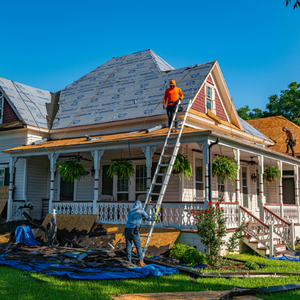
Roof repairs top the list. Damaged roof shingles are common repair requests made by Minnesota home buyers, and dealing with these kinds of issues beforehand can speed up the closing process and potentially get a more valuable appraisal. But here’s the nuance: a full roof replacement on a $300,000 house might cost $15,000 but only add $10,000 in value. Sometimes it’s smarter to price the house lower and let the buyer handle it.
HVAC systems matter more than most people think. Minnesota buyers know they need reliable heating, and a furnace that’s on its last legs will scare away traditional buyers. However, cash buyers often see this as a manageable expense.
Foundation repairs are tricky. Minor settling cracks might only need $2,000 in repairs but could reduce your home’s marketability significantly. Major foundation issues could cost $30,000+ and require specialized contractors familiar with Minnesota’s soil conditions.
Here’s what I’ve learned works: focus on safety and habitability issues first. Fix anything that makes the house unlivable or unsafe. Cosmetic issues like outdated kitchens or worn carpets often aren’t worth addressing if you’re selling to investors.
Kitchen and bathroom updates rarely pay for themselves in damaged homes. If you’re already dealing with structural issues, don’t compound your investment with cosmetic improvements that won’t move the needle on sale price.
Contractor Estimates vs Sale Price: Cost-benefit Analysis for Minnesota Homeowners
This is where most homeowners get stuck. They get a $40,000 repair estimate and assume they need to spend that money to sell their house. That’s not always true, especially in Minnesota’s current market.

Let me walk you through the math. Say you own a house in Bloomington that needs $30,000 in repairs. In perfect condition, it might sell for $380,000 (close to Bloomington’s median home price of $379,000). But after paying for repairs, real estate commissions (typically 6%), and other selling costs, your net proceeds might be $320,000.
Compare that to selling as-is to a cash buyer for $280,000 with no repair costs, no commissions, and no holding costs while repairs are completed. The cash option might actually net you more money, plus you avoid the stress and timeline uncertainty of managing contractors.
I’ve seen homeowners in neighborhoods like Highland Park in St. Paul spend $50,000 on repairs only to discover additional problems during the renovation process. Suddenly, their $50,000 project becomes $75,000, and their timeline stretches from two months to six months.
Minnesota’s short construction season adds another wrinkle. Major exterior work essentially shuts down from December through March in most years, making it harder to complete repairs or renovations during the winter months. Another factor to consider is who will pay the closing costs. In a traditional sale, sellers may be expected to contribute toward certain closing expenses, which can cut into already limited equity. If you’re facing foreclosure or need to sell quickly, waiting for the spring construction season might not be realistic, making a faster as-is or cash sale more practical for some homeowners
The key is getting accurate estimates from licensed contractors who understand Minnesota’s building codes and climate challenges. Don’t rely on rough estimates or DIY cost calculators. Get detailed written bids that include permits, materials, and labor.
Legal Considerations for Minnesota Homeowners Selling Houses with Code Violations
Minnesota has specific laws about selling properties with known defects, and ignoring them can create serious legal problems down the road. I’ve seen sellers get sued years after closing because they didn’t properly disclose known issues.
Selling a house with mold, mildew, foundation issues, lead pipes, fire damage, septic system failure, moisture, or water damage can be explained in the optional section of the disclosure. The keyword here is “optional” (but that doesn’t mean you should skip it).
Code violations are particularly tricky. Maybe you finished a basement without permits or added electrical work that wasn’t inspected. These issues won’t necessarily kill a sale, but they need to be disclosed properly.
Here’s what I tell homeowners: work with a real estate attorney who understands Minnesota property law. The consultation fee is usually $200-400, but it can save you thousands in potential liability later.
Some code violations can be resolved with retroactive permits. Others might require bringing the work up to current standards, which can be expensive. A qualified attorney can help you understand your options and potential liability.
Disclosure Requirements for Selling Defective Properties in Minnesota
Minnesota’s disclosure laws are more comprehensive than those of many states. Selling a house built before 1978 requires sellers to complete a federal lead paint disclosure, and that’s just the beginning.
The standard Minnesota property disclosure form covers everything from structural issues to environmental hazards. Minnesota homeowners selling a home with asbestos have the option of noting that and also any inspections done for the condition, with reports attached to the disclosure.
But here’s what’s interesting: selling a house with a mortgage is still possible in Minnesota, including selling a home ‘as is.’ If both buyer and seller agree, they can waive the required property disclosure and pass on home inspections, with both parties signing the agreement.
This creates opportunities for sellers with significant property issues. Cash buyers and investors often waive disclosure requirements because they’re planning to gut and renovate the property anyway. They’re more interested in the land value and structural bones than the current condition.
However, don’t assume you can hide problems. Even in as-is sales, sellers can still face liability for actively concealing known defects. The difference is between “not warranted condition” and “actively hiding problems.”
Title Issues and Liens: Resolving Problems Before Selling Damaged Minnesota Properties
Damaged properties often come with complicated title issues. Maybe there’s a mechanics lien from unpaid contractor work. Perhaps there are tax liens from deferred maintenance periods when money was tight.
I’ve bought houses in Minneapolis where the title work revealed three different liens totaling more than the property’s value. These situations require creative solutions and experienced professionals who understand Minnesota lien law.
Property tax liens are common with distressed properties. Minnesota allows counties to place liens for unpaid property taxes, and these liens take priority over almost everything else. The good news is that these liens can often be negotiated or included in the sale price.
Mechanics’ liens from contractors are trickier. If you had work done and didn’t pay the contractor, they might have filed a lien against your property. These need to be resolved before you can transfer a clear title to a buyer.
Title insurance companies in Minnesota have experience with complicated situations. Companies like K&G Investments often work with title companies that specialize in distressed properties and can help navigate complex title issues.
The key is addressing title problems early in the process. Don’t wait until you have a buyer to discover title issues. Get a preliminary title report as soon as you decide to sell.
Home Inspection Challenges When Selling As-Is Properties in Minnesota
Selling as-is doesn’t mean buyers won’t inspect your property. It means you’re not agreeing to make repairs based on inspection findings. There’s a big difference, and understanding it can help you navigate the process more effectively.
Sellers can elect to allow buyers to hire professional inspectors to examine the property and submit property reports, with buyers paying for the inspections, though sellers can deny buyers access to the house for inspections.
Most cash buyers will still inspect properties, but they’re looking for different things than traditional buyers. They want to confirm their repair estimates and identify any major surprises that might affect their investment calculations.
Here’s a strategy I recommend: consider getting your own pre-inspection before listing. This costs $400-600 but gives you detailed information about all property issues. You can use this information to price appropriately and avoid surprises during buyer inspections.
Minnesota home inspectors are required to follow specific standards, and their reports can be quite detailed. Don’t be surprised if the inspection report on your damaged property runs 20-30 pages. The key is understanding which issues are deal-breakers versus negotiation points.
Some inspection findings might actually work in your favor. If the inspector finds that your foundation issues are less severe than expected or that your electrical system is in better shape than it appears, this information can support your asking price.
Real Estate Agent Selection: Finding Minnesota Specialists in Distressed Property Sales
Some real estate agents struggle to market damaged properties. You need a Minnesota as-is market expert who works with investors.
Find experts with REO, short sale, and investor experience. These agents know damaged properties need different marketing and buyer pools.
As top-performing Saint Paul, Minnesota agent Tyler Brickle says, “A lot of people who want to sell as-is have either had a bad experience in the past or they just don’t want to deal with the headaches and hassles involved in selling a home.”
A good agent will price your property for its condition. Understanding the final sale price requires managing expectations, and agents often start below market prices to try to raise them.
Ask several agents about their damaged property experience. How many as-is sales did they do last year? Work with investors? Can they provide comparable seller references?
Some agents specialize in cash-for-houses companies. These agents understand investors and can help match seller expectations with buyer reality.
Marketing Damaged Homes: Photography and Listing Strategies for Minnesota Sellers
Marketing a damaged property requires a completely different approach than marketing a pristine home. You’re not trying to create an emotional connection (you’re providing information to help qualified buyers make investment decisions).

Professional photography still matters, but the focus shifts to showing the property’s potential rather than its current condition. Good photographers who work with investors know how to highlight positive features while being honest about problems.
Your listing description should be detailed and transparent. Instead of hiding problems, lead with them. “Investor special – needs foundation work and roof replacement” attracts the right buyers and filters out those who aren’t prepared for a project.
Price your property competitively from the start. Damaged homes that sit on the market for months become stigmatized, and buyers start wondering what’s wrong beyond the obvious issues.
Consider listing on platforms that investors frequent, not just the MLS. Websites, local real estate investor groups, and wholesale property networks can connect you with serious cash buyers.
Don’t over-improve the listing presentation. Staging a house with significant structural issues can actually backfire by making buyers wonder what you’re trying to hide.
Cash Buyers vs Traditional Buyers: Best Options for Damaged Properties in Minnesota
Understanding your buyer pool is crucial for selling damaged properties successfully. Traditional buyers using financing face significant hurdles with damaged properties, while cash buyers often see opportunities.
Banks are reluctant to lend on properties with significant structural issues. FHA loans, which many first-time buyers use, have strict property condition requirements. VA loans are similarly restrictive. This eliminates a large portion of the traditional buyer market.
Cash buyers, including individual investors and companies like We Buy Houses In Minnesota, can close quickly without financing contingencies. They typically understand repair costs and factor them into their offers upfront.
Minneapolis homes sell in 32 days on average, with the average home selling for around list price and going pending in around 32 days. But damaged properties often take longer in the traditional market.
Investor buyers often provide more certainty. Once they’ve inspected the property and made an offer, they’re less likely to renegotiate based on additional findings. They’ve already factored unknowns into their pricing.
The trade-off is typically price. Cash buyers need to make a profit on their investment, so their offers will be below what you might get from a traditional buyer willing to take on a project. But the certainty, speed, and reduced hassle often make up for the price difference.
Real Estate Investor Networks Specializing in Minnesota Fixer-upper Properties
Meeting the right people in Minnesota’s real estate investor community can help you sell your damaged property.
Minnesota Real Estate Investors Association (MNREIA) members meet monthly in the Twin Cities and across the state. These investors seek properties to buy, renovate, and sell or rent.
Sources include wholesalers. Property investors find, contract, and assign contracts to other investors. They often find multiple buyers quickly.
Some property management firms buy rentals directly. These companies may want to buy and renovate your damaged house in a good rental area.
Wholesale Real Estate Deals: Connecting with Minnesota Property Flippers
Wholesale deals can be an excellent option for sellers who need to close quickly or don’t want to deal with retail marketing. In a wholesale transaction, you sell your property to a wholesaler who then sells it to an end investor.
The wholesaler typically offers a quick closing (often 7-14 days) and handles all the paperwork and coordination. Their profit comes from the difference between what they pay you and what they sell to the end investor.
Wholesale prices are typically lower than retail prices, but the speed and certainty can make up for the difference. If you’re facing foreclosure, dealing with an estate situation, or just want to move quickly, wholesale can be ideal.
Minnesota has several active wholesale companies that specialize in damaged properties. They understand local market conditions and have networks of investors ready to purchase.
Be careful to work with legitimate wholesalers. Ask for references, verify their track record, and make sure they have the financial capacity to close on your timeline. Avoid anyone who asks for upfront fees or seems evasive about their process.
Financing Options for Buyers Purchasing Fixer-upper Homes in Minnesota
Understanding how buyers will finance your damaged property can help you price and market more effectively. Different financing options attract different types of buyers.
Cash buyers are obviously the easiest to work with, but they’re not the only option. Some buyers use hard money loans, which are short-term, asset-based loans that can close quickly even on damaged properties.
The FHA 203(k) loan program allows buyers to finance both the purchase and renovation costs in a single loan. This can open up your property to owner-occupant buyers who want to live in the home while renovating it.
Conventional renovation loans are another option, though they typically have stricter requirements than FHA 203(k) loans. These buyers usually have more experience with renovation projects.
Some buyers use personal loans or lines of credit to supplement their down payment, allowing them to purchase properties that need immediate repairs. These buyers might offer less than cash buyers but more than traditional financed buyers.
Understanding these options helps you evaluate offers appropriately. A buyer using a 203(k) loan might offer a higher price than a cash buyer, but their closing timeline will be longer and less certain.
Seasonal Selling Advantages for Damaged Properties in Minnesota’s Climate
Minnesota’s seasonal real estate patterns affect damaged properties differently than move-in-ready homes. Understanding these patterns can help you time your sale for maximum advantage.
The harsh Minnesota winters have a tendency to deter buyers, with snow and cold weather making moving difficult, and homes listed in these months often stay on the market longer and fetch lower prices.
However, damaged properties can actually benefit from winter listings. Investors and cash buyers are less affected by seasonal buying patterns than traditional homebuyers. They’re making business decisions based on numbers, not emotions about moving during pleasant weather.
Winter also reveals certain property issues more clearly. Heating problems become obvious, ice dams show roof issues, and foundation problems may be more apparent when the ground is frozen.
Spring brings increased buyer activity, but it also brings increased competition from other sellers. Your damaged property might get lost among all the pristine homes hitting the market.
Summer is traditionally the peak selling season, but construction season also means contractors are busy and expensive. If you’re considering making repairs before selling, winter planning for spring execution often works better.
Fall can be an excellent time to sell damaged properties. Investors are looking for winter projects, and you’re not competing with as many retail listings as you would in spring and summer.
Fast Sale Solutions for Minnesota Homeowners Facing Foreclosure on Damaged Homes
Foreclosure adds urgency to an already challenging situation. If you’re facing foreclosure on a damaged property, time becomes more important than maximizing price.
According to ATTOM’s Q1 2025 Foreclosure Market Report, Minnesota recorded 1,061 foreclosure filings in the first quarter of 2025. While this represents a relatively low rate compared to other states, each of these situations requires immediate action.
The foreclosure timeline in Minnesota varies, but Minnesota has one of the shortest foreclosure timelines at 172 days. This means you need to act quickly once foreclosure proceedings begin.
Cash buyers who specialize in pre-foreclosure purchases can often close in 7-14 days. Companies like Cash Home Buyers in Minneapolis, MN, understand the urgency of these situations and can work within tight timelines.
Short sales are another option, though they require lender approval and can take several months to complete. This might not be realistic if you’re close to a foreclosure sale date.
A deed in lieu of foreclosure is sometimes an option, where you voluntarily transfer the property to the lender. This avoids the foreclosure process but still results in losing the property.
The key is starting the process as early as possible. Don’t wait until the last minute to explore your options. Even if you’re months away from foreclosure, starting the sale process early gives you more options and potentially better outcomes.
Estate Sale Considerations for Inherited Minnesota Homes Needing Major Repairs
Inherited properties present unique challenges, especially if they need significant repairs. The emotional attachment combined with financial pressure creates difficult decisions for heirs.
Probate requirements in Minnesota can complicate the sale process. You’ll need proper legal authority to sell the property, which might require court approval depending on how the estate is structured.
Multiple heirs often have different opinions about whether to repair or sell as-is. Some might want to invest in improvements, while others prefer to sell quickly and divide the proceeds. These decisions need to be made collectively and documented properly.
Inherited properties are often in poor condition because the previous owner was elderly or ill and couldn’t maintain the property. This creates additional disclosure requirements and potential liability issues.
Tax implications for inherited properties can be complex. The stepped-up basis rules might provide tax advantages, but you should consult with a tax professional who understands Minnesota estate law.
Cash buyers often work well for estate situations because they can close quickly and don’t require the property to be in perfect condition. This allows heirs to settle the estate and move on without the stress of managing renovations.
Minnesota Tax Implications When Selling Investment Properties Requiring Repairs
Using depreciation or having expensive repairs can complicate tax issues for damaged investment properties.
Major repairs can complicate capital gains tax calculations for investment properties. Your property’s basis is your purchase price plus improvements minus stated depreciation.
Selling will recapture depreciation you’ve claimed. Your sale planning should account for this higher tax rate than regular capital gains.
Repairs may be deductible in the year of sale or basis-adjusting improvements. It can significantly impact your tax liability.
Sell one investment property to buy another? Consider 1031 exchanges. For timing and financing reasons, damaged properties can complicate exchanges.
Minnesota has different state taxes from the federal ones. Repair and sale timing should be discussed with a federal and Minnesota tax expert.
Frequently Asked Questions
Is It Difficult to Sell a Home That Needs Major Repairs?
Selling a home with major repairs isn’t hard, but it’s different than selling a move-in-ready home. Although your buyer pool will be smaller, they are specifically looking for properties like yours. Cash investors and house flippers look for fixer-uppers and can close quickly without financing.
What Is the 3-3-3 Rule in Real Estate Investing?
The 3-3-3 rule suggests that real estate investors should look for properties that generate at least 3% monthly rent relative to the purchase price, are within 3 miles of their home or office for easy management, and require no more than 3 major repairs. This rule helps investors quickly assess rental properties and avoid unprofitable deals.
What Is the Most Challenging Month to Sell a House in Minnesota?
The hardest month to sell a Minnesota home is February. February 2023 had a median of 51 days on the market, and February 2024 had 26 more than the yearly median of 25. The harsh winter weather, limited daylight, and post-holiday financial constraints reduce buyer activity.
What Factors Decrease Property Value the Most Significantly?
Foundation issues, major roof damage, and outdated electrical or plumbing systems reduce property value the most. Due to freeze-thaw cycles, foundation issues are especially problematic in Minnesota, while roof issues become urgent before winter. Environmental issues like mold, asbestos, and lead paint can also lower the value and require seller disclosure.
Listen, selling a damaged house in Minnesota doesn’t have to be overwhelming. You’ve got options, and the market has buyers for properties in every condition. Whether you choose to make repairs, sell as-is to investors, or work with a cash-buying company, the key is understanding your situation and making informed decisions.
If you want to talk through your options with no pressure and no obligation, contact K&G Investments. It has helped hundreds of Minnesota homeowners navigate exactly these situations. Sometimes a quick conversation can clarify your best path forward and give you the confidence to move ahead with your decision.
Your house might need work, but that doesn’t mean your situation is hopeless. The right buyer is out there (you just need to connect with them in the right way).
Helpful Minnesota Blog Articles
- How to Determine Your Home Value Before Selling in Minnesota
- How To Sell My House In Foreclosure and Stop It in Minnesota
- Cost for Removing Asbestos in Minnesota
- Sell a House During a Divorce in Minnesota
- Selling a House With Water Damage in Minnesota
- Can I Defer a Mortgage Payment in Minnesota
- Can You Sell a House With a Lien in Minnesota
- Selling a House With Mold in Minnesota
- How to File a Quitclaim Deed in Minnesota
- How To Sell A House With Foundation Issues In Minnesota
- Can The Seller Back Out Of A Contract In Minnesota
- Minnesota Inheritance Laws Explained
- Minnesota Excise Tax Calculator
- Best and Worst Neighborhoods in Minnesota
- Selling A House That Needs Repairs In Minnesota