


What Are the Effects of Mold on Property Value?
Does Mold Decrease the Value of Your Home?
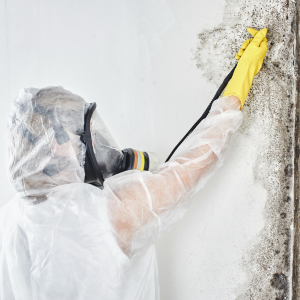
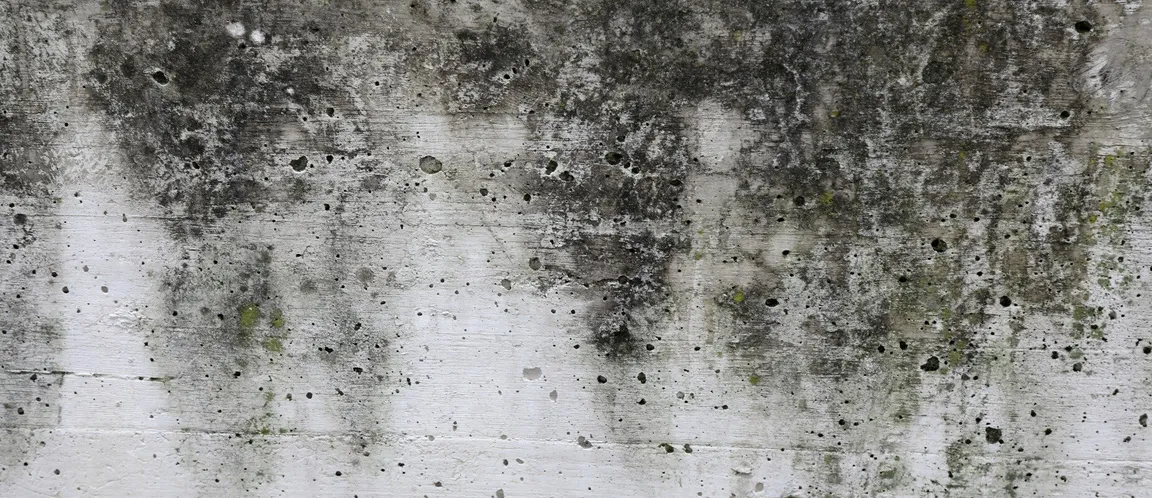
Mold drags a property’s value down, and an appraiser spots it during the home appraisal. Across Minnesota, homes with visible mold lose value fast. Buyers read the mold as a health risk, and they know the repair bill on the home won’t be small.
- Lower Appraisal Value: A moldy home almost always draws a lower appraisal. That number ripples outward, pulling down the selling price and thinning interested buyers.
- Negative Market Perception: Mold signals neglect. A home that looks poorly maintained pushes buyers to offer well under the asking price.
How Does Mold Influence Buyer Interest?
Most buyers cool off the second they spot mold in a home, especially in the Minnesota house market. They stall. The health worries and repair math pile up before the walkthrough ends.
- Buyer Considerations: Breathing problems top the mold worries. Buyers weigh risks like that the moment they step into a house with mold.
- Buyer Rights: Minnesota gives buyers real protections around homes with known mold issues. Once they understand those rights, their appetite for buying can shift.
Are There Ways to Mitigate Mold’s Impact on Selling Price?
You’ve got real options here. Sellers can take a few practical steps to blunt mold’s drag on the selling price, and steady prevention often helps a home keep its value.
- Mold Removal Before Selling: Bring in pros to remove the mold and worry eases. That confidence in the home translates into a stronger offer.
- Negotiating Price: Can’t handle mold removal right away? Sellers sometimes trim the home’s price to cover the mold removal costs the buyer inherits.
- Fixing Mold Issues: Sort the mold out before selling and negotiations get easier. The home’s overall appeal climbs too.
Handle the mold early and you’ll reassure buyers while protecting your home’s value in the real estate market. Want specifics for your situation? Contact K&G Investments for expert advice.
Selling a House With Mold: What Are the Legal Requirements in Minnesota?
What Disclosures Are Necessary for Mold in Real Estate?
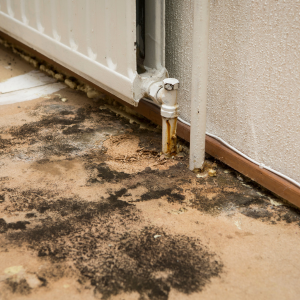
In Minnesota, when selling a house, it’s essential to follow the rules about mold disclosure. Sellers must follow Minnesota real estate mold laws and give a seller’s disclosure if they know about any mold issues. If they don’t, there could be legal problems because Minnesota’s rules require being open about mold in homes.
How Do Minnesota Laws Regulate Mold Issues During a Sale?
Minnesota law doesn’t mince words. Sellers must tell buyers about known mold issues before the final sale wraps. Booking mold inspections and pinning down who owns the mold problem in Minnesota helps a lot. Minnesota mold inspection services keep you compliant and clear of legal problems. To steer around legal liability, buyers and sellers must settle mold disputes inside their real estate transactions.
Can You Sell Without Fixing Mold, and What Are the Risks?
Yes, you can sell a house with mold and leave it unfixed. There’s a catch, though. Mold makes transactions tougher to close in Minnesota, since buyers worry about the health risks of living in a moldy house. Mold-related environmental concerns across Minnesota real estate add friction. Tell potential buyers about the mold and follow the state rules. Sellers who do both shrink their risk.
How Can You Prepare Your Home for Sale if Mold Is Present?
What Steps Can You Take to Clean Mold Before Listing?
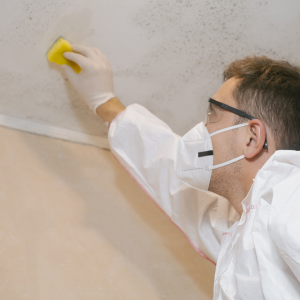
Getting your home ready for sale with Mold can be challenging, but you can handle it by planning well. Here are some steps:
- Mold Removal: Hunt down every moldy patch first. Small spots respond to household cleaners like vinegar or bleach. Wear protective gear the whole time.
- Cleaning Mold Thoroughly: Wipe every surface, walls and ceilings included. Crack the windows or run fans to pull out moisture, since Mold thrives wherever it stays damp.
- Mold Mitigation Strategies: Fix leaks and improve ventilation to stop Mold from coming back.
- House Inspection of Mold Issues in Minnesota: Bring in a professional inspector to gauge how harmful the Mold really is. A thorough inspection surfaces every mold issue before selling.
Should You Hire Professionals for Mold Remediation?
Doing the molding yourself is possible, but pros bring real advantages.
- Professional Mold Remediation: Experts carry the tools and the know-how to remove mold safely and all the way.
- Mold Contractors in Minnesota: Local contractors read Minnesota’s climate, so they can offer fixes for the mold issues that crop up here.
- Minnesota Mold Remediation Costs: Compare what remediation services charge, mold and asbestos removal included. Spending there makes your home far more appealing to buyers.
- Mold Testing for Minnesota Homes: Once remediation wraps, a round of testing tells buyers the home really is mold-free.
How Important Is Staging a Home With Mold Concerns?
Sharp staging quietly settles the mold fears a buyer brings into your home.
- Staging Homes With Mold: Play up your home’s best features, and stay honest about the mold fixes you’ve made.
- Marketing Homes With Mold Problems: Spell out what you did to stop the mold. That openness builds trust with buyers.
- Attracting Buyers to Homes With Mold: Team up with a real estate professional who’s handled homes with mold. They know how to draw interested buyers in.
- Preventing Mold Concerns: Little touches like dehumidifiers reassure buyers that mold won’t creep back.
Work through these steps and your home is ready for sale, mold and all. Handle it openly and professionally, and the problem quietly turns into a selling point.
Finding the Right Buyers for a House With Mold
Are There Specific Buyers Looking for Homes Needing Repairs?
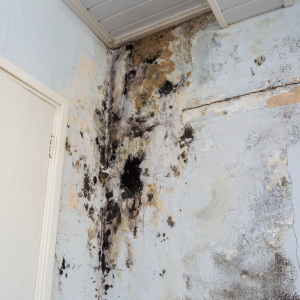
Selling a house with mold comes down to finding buyers who don’t flinch at repairs. They’re out there, and they tend to land in a few camps.
- Investors: They hunt for properties they can buy cheap, fix up, and sell for a profit.
- DIY Enthusiasts: Folks who love a project might look at a moldy home and see the dream house waiting underneath.
- Bargain Hunters: Buyers happy to trade repair work for a lower, more affordable price.
Know what these buyers weigh, from budget ceilings to renovation appetite, and you’ll steer the moldy home toward the right market during the home sale.
How Do You Market a House With Mold Challenges?
Marketing a house with mold takes some creativity and a few smart real estate solutions.
- Be Transparent: Lay out any mold issues for potential buyers up front. Trust follows.
- Highlight Potential: Point to the home’s strengths, the location or the design, while owning the mold situation.
- Offer Solutions: Walk buyers through the mold remediation options so their concerns ease.
The Minnesota housing market shifts block to block, so aim your marketing at local buyers with specific needs when they’re buying a house with mold issues.
How Can Home Buyers Assist in This Process?
Home Buyers earn their keep when mold complicates a real estate transaction, and they pitch in a few key ways.
- Expert Advice: Home buyers offer Minnesota realtor advice grounded in market trends and legal needs, which keeps the transaction smooth.
- Negotiation Skills: They negotiate terms that fit the mold-affected property’s condition, often landing a better outcome for the seller.
- Network Access: Seasoned house buyers keep a roster of inspectors, contractors, and pros ready to tackle mold issues.
Lean on seasoned home buyers, and sellers find the messy parts of a mold-related real estate transaction get manageable, turning challenges into opportunities.
What Benefits Do We Offer Compared to Traditional Real Estate Routes?
K&G Investments beats the traditional real estate route in a few concrete ways.

- Fast and Fair Offers: You get a solid offer, minus the long wait of conventional real estate.
- No Need for Mold Remediation: Skip the hassle and the cost of fixing mold issues before selling.
- Direct Home Buyers: Sell your property straight to us, no real estate professional or commission fees.
Pick us and you dodge the usual grind while landing a fair price for your home.
Our team brings the know-how you need to make smart calls about your property.
FAQs:
What are the health risks of living in a moldy house in Minnesota?
A moldy house in Minnesota can trigger respiratory issues, allergies, and, for some people, worse health problems. Clear the mold quickly and you protect your health.
How does mold affect property value in Minnesota?
Mold chips at a home’s value through repair costs and health worries. To hold or lift your home’s value when selling, think about hiring pros to remove the mold before it hits the market.
What are the legal considerations for selling a house with mold in Minnesota?
In Minnesota, you have to tell buyers about mold issues when selling a house. Knowing Minnesota’s disclosure laws keeps you clear of legal problems during the sale.
What steps should I take to prepare a moldy house for sale?
To prep a moldy house for sale:
- Have experts remove the mold.
- Repair any damage the mold growth left behind.
- Set up good ventilation in the home so future mold stays away.
- Stage the home well, and stay honest about past mold issues.
Can I sell my Minnesota home with mold “as-is”?
Yes, you can sell your Minnesota home “as-is” with mold still present, though offers may come in lower. Buyers might ask for a price cut to cover mold removal costs. Talk to real estate professionals who know how to handle homes like yours and weigh your options.
How can I market a home with mold problems effectively?
Market a home with mold by staying open and honest. Explain how you tackled the mold issue and reassure buyers about the property’s safety. Work with real estate professionals experienced in selling homes with mold.
What is the impact of mold on closing deals in Minnesota?
Left unfixed, mold can slow a house sale or sink it. Buyers may want the mold removed or push for a lower price, which drags the sale out. Handle the mold issues early and the sale moves smoother.
Are there community resources for homeowners dealing with mold in Minnesota?
Minnesota has resources for homeowners facing mold problems. Environmental agencies and housing help programs offer guidance on mold prevention and property care. Local experts can point you toward more support.
Key Insights
- We help people sell homes with mold across Minnesota, and our team keeps your property moving.
- Selling a house with mold in Minnesota means getting the legal rules straight, from mold disclosure requirements to seller’s liability. We walk you through Minnesota real estate mold laws so problems stay off your plate.
- Mold quietly chips at your home’s property value. We help fix mold issues and lift your home’s marketability.
- Solid mold mitigation strategies matter before you list your home. We offer options like professional mold remediation and repairs for poor ventilation.
- Buyer decisions and closing outcomes both hinge on mold. We help prep your mold-affected property for sale so transactions stay smooth.
- Our approach blends marketing homes with mold and educating buyers about the health risks of living in moldy houses, especially across Minnesota.
- Financial and insurance questions weigh on sellers. We dig into financial options and insurance for homes with mold damage.
- Selling a home with mold really takes selling-savvy problem solvers. We guide you on choosing mold contractors, easing buyer concerns, and staging homes with mold.
- Mold liability, disclosure rules, and environmental concerns all sit at the center here. We help you meet every Minnesota regulation.
- Ready for a quick sale? Consider a cash offer today. Reach out and we’ll talk through how fast we can buy your burdensome house, whatever its shape.
This information applies to Minnesota and its cities, including Minneapolis, St. Paul, Minnetonka, Plymouth, and more. For more details, please call us at (612) 400-8070 or visit our website at K&G Investments.
Helpful Minnesota Blog Articles
- How to Determine Your Home Value Before Selling in Minnesota
- How To Sell My House In Foreclosure and Stop It in Minnesota
- Cost for Removing Asbestos in Minnesota
- Sell a House During a Divorce in Minnesota
- Selling a House With Water Damage in Minnesota
- Can I Defer a Mortgage Payment in Minnesota
- Can You Sell a House With a Lien in Minnesota
- Selling a House With Mold in Minnesota
- How to File a Quitclaim Deed in Minnesota
- How To Sell A House With Foundation Issues In Minnesota
- Can The Seller Back Out Of A Contract In Minnesota
- Minnesota Inheritance Laws Explained
- Minnesota Excise Tax Calculator
- Best and Worst Neighborhoods in Minnesota
- Selling A House That Needs Repairs In Minnesota