![Selling house with termite damage [market_city]](https://image-cdn.carrot.com/eyJidWNrZXQiOiJwcm9kdWN0aW9uLmNhcnJvdC11cGxvYWRzLm9uY2Fycm90LmNvbSIsImtleSI6InVwbG9hZHMvc2l0ZXMvNzkzMTcvMjAyNi8wNS9TZWxsaW5nLWhvdXNlLXdpdGgtdGVybWl0ZS1kYW1hZ2UuanBnIiwiZWRpdHMiOnsicmVzaXplIjp7IndpZHRoIjoxMTUyfSwidG9Gb3JtYXQiOiJ3ZWJwIiwid2VicCI6eyJxdWFsaXR5Ijo3MH19fQ==)

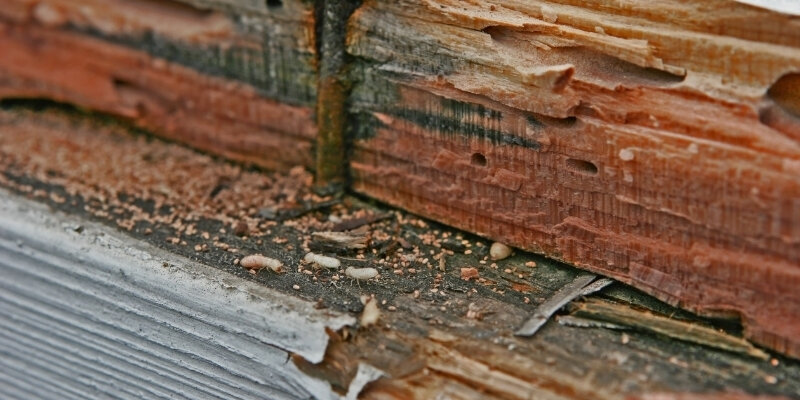
Selling a house with termites in Minnesota is more complicated than a standard sale, but it is done successfully every day. This guide covers what Minnesota law requires, what inspections and treatments cost, how to price realistically, and what selling options are available to you. If you would rather skip the repairs and the showings, you can get a cash offer on your Minnesota house and weigh it against a traditional sale before you decide.
How Termite Damage Affects Your Home Sale in Minnesota
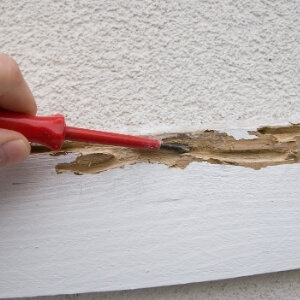
Termites can work undetected for years, quietly damaging a home’s wood structure. Across the United States, termites damage an estimated 600,000 homes annually at a total cost of roughly $5 billion. Minnesota homes are not immune, particularly as the southern half of the state was reclassified in 2015 as having a “slight to moderate risk” of subterranean termites.
The severity of damage determines everything about how a sale will proceed. Minor surface damage may cost a few hundred dollars to fix and have little effect on negotiations. Structural damage to load-bearing beams or floor joists is a different matter, with repair costs typically ranging from $3,000 to $8,000 and severe cases exceeding $15,000.
Minnesota Seller Disclosure Requirements for Termite Infestations
Minnesota law requires sellers to disclose known termite infestations and any resulting damage to potential buyers. The state’s standard disclosure form explicitly asks about pest infestations and structural damage. Sellers must answer truthfully, and that obligation covers current active infestations, previous infestations that were treated, and any known structural or cosmetic damage caused by termites.
Attempting to conceal termite issues creates serious legal exposure. Most buyers commission their own inspection, so undisclosed problems are likely to surface either before closing or afterward in the form of litigation. Honest disclosure, paired with proper documentation, is almost always the stronger strategy.
Termite Inspection Requirements When Selling a House in Minnesota
Minnesota is a “contractually triggered” state for termite inspections, meaning there is no blanket statewide requirement. Whether an inspection is needed depends on the purchase contract and the type of financing involved.
For conventional loans, there is no automatic inspection requirement, but most purchase agreements include an inspection contingency that will prompt one. Buyers financing through conventional lenders will almost always request an inspection as part of their due diligence, even when the contract does not strictly require it.
For VA loans, a termite inspection is generally mandatory if the property is in a Moderate to Heavy or Very Heavy infestation zone. Most of Minnesota falls into lower-risk categories, so VA inspections are typically required only when an appraiser spots visible evidence of problems, such as mud tubes, damaged wood, or moisture conditions that favor infestation.
For FHA loans, an inspection is required when an FHA appraiser notes potential pest activity, moisture damage, or deteriorating wood during the appraisal. Because FHA appraisers are trained to flag these conditions, sellers of older homes should be prepared for this possibility even if no active infestation is known.
What a Professional Termite Inspection Covers in Minnesota
A licensed pest control inspector examines all accessible areas of the property, including the interior, exterior, attic, basement, crawl spaces, decks, and fences. The inspector looks for mud tubes, discarded wings, frass (termite droppings), hollow-sounding wood, and wood-to-soil contact. Areas that are inaccessible due to finished walls or stored belongings will be noted in the report as unexamined, which can become a point of contention with buyers if those areas are later found to have damage.
The resulting report documents property details such as the address, owner name, and inspection date, along with inspector credentials and company information, and findings on termite activity, damage, or conducive conditions. A thorough report will also note environmental factors that increase infestation risk, such as wood mulch against the foundation, improper grading, or plumbing leaks near structural wood.
Inspection reports are typically valid for 30 to 90 days. If closing is delayed beyond that window, a reinspection will be required to keep the documentation current. Scheduling your inspection early in the selling process avoids the situation where an expiring report forces a second inspection during an already stressful closing period. In the Minneapolis metro area, a professional inspection generally costs between $100 and $200.
Termite Treatment Options and Costs in Minnesota
One thing worth knowing upfront: Minnesota is one of the more affordable states for termite treatment. Because the termite season here is shorter than in states like Florida or Texas, both the activity levels and the treatment costs tend to be lower. The average treatment in Minneapolis costs approximately $617, with most homeowners falling between $239 and $997, depending on the severity of the problem.
| Infestation level | Typical treatment | Estimated cost |
|---|---|---|
| Minor | Localized termiticide or bait | $250 to $1,000 |
| Moderate | Chemical barrier or bait system | $1,000 to $3,000 |
| Severe | Full perimeter barrier plus structural wood treatment | $2,000 to $8,000 |
That said, do not accept the first quote you get. Get at least three quotes from licensed pest control companies, because both prices and recommended approaches can vary significantly between providers. A company that immediately recommends full fumigation for what appears to be a minor infestation may not be offering you the most practical or cost-effective option. It is also worth pausing before you commit to any treatment. If structural repairs are also needed, the combined cost of treatment and repairs can sometimes approach or exceed what you would simply reduce from your sale price. Running those numbers honestly before writing any checks is time well spent.
Minnesota Building Code Requirements for Termite Damage Repairs
For existing homes, termite remediation work must meet current standards for structural integrity. Any structural repairs involving floor joists, support beams, or subflooring typically require permits and inspection by the local building department. Permits add time and cost to the process, but they also produce documentation that can satisfy buyers and lenders and protect you from liability if questions arise after closing.
One detail sellers sometimes overlook is that permitted repair work must meet current code, not the code that was in effect when the home was originally built. If your home is older, code-compliant repairs may cost more than simple like-for-like replacement because upgraded materials or methods are now required. Discussing this with your contractor before pulling permits prevents cost surprises mid-project.
For new construction, HUD has required homes in the southern half of Minnesota to comply with subterranean termite protection standards since 2015, when the state’s risk designation was updated.
Getting a Structural Assessment After Termite Treatment in Minnesota
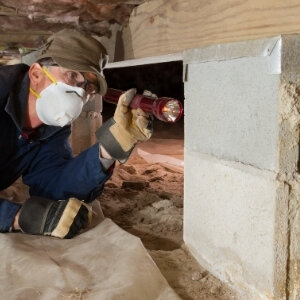
Once treatment is complete, a structural assessment determines what repairs are necessary. In Minneapolis, minor repair work averages $239 to $386 per job as of 2026. More involved work ranges from $600 to $3,000, and replacing structural components, such as load-bearing beams, can cost $6,000 or more.
Structural engineers in the Twin Cities typically charge $500 to $1,000 for a full damage assessment. Their report will categorize damage into one of three tiers: cosmetic (paint, trim, and finish materials), moderate (subflooring and non-load-bearing elements), or structural (beams, joists, and foundation contact points). Knowing which category applies to your home will shape every downstream decision about repairs, pricing, and disclosure. A structural engineer’s assessment also carries more weight with skeptical buyers and their lenders than a contractor’s estimate alone, because engineers have no financial stake in the scope of repairs recommended.
Termite Documentation Required to Sell a House in Minnesota
If there is one thing that can make or break a termite-affected sale, it is paperwork. That might sound tedious, but think of it this way: every document you have is one less reason for a buyer to walk away or a lender to pump the brakes. The more organized and thorough your records are, the smoother the transaction tends to go.
At a minimum, you will want to have the original termite inspection report, treatment records from the pest control company, a clearance letter confirming no active infestation remains, receipts for any repairs you completed, and any warranties tied to the treatment or repair work. Keeping all of it together in one folder, whether that is a physical binder or a shared digital folder, saves a lot of back-and-forth when buyers or their lenders start asking questions.
The clearance letter deserves special attention. Most lenders will simply not move forward without it, full stop. It is the document that says the treatment worked, and there is no active colony left in the home, and lenders treat it as a hard requirement before they will approve financing. Without it, your transaction is on hold regardless of how well everything else is going.
A termite bond is a separate thing entirely, but it is worth knowing about. It is an ongoing service contract that covers future inspections and retreatment if termites return. Buyers, especially first-time buyers who are already nervous about a property with a pest history, often feel noticeably more at ease when a bond is already in place. It tells them someone has their back after closing, which can be enough to turn a hesitant buyer into a confident one.
How to Price a Minnesota Home with Termite Damage
As of early 2026, Minnesota’s median home sale price is approximately $354,500, and homes spend a median of 44 days on the market. The market is reasonably healthy, which provides some cushion when pricing a property with disclosed issues.
A practical approach is to reduce the asking price by 1.5 to 3 times the estimated repair cost. If outstanding repairs are estimated at $5,000, consider a reduction of $7,500 to $15,000. This range accounts for buyer uncertainty and negotiation room while staying grounded in actual costs. Pricing too aggressively above repair cost estimates tends to produce low offers and extended time on the market, while pricing too far below them leaves money on the table unnecessarily.
An alternative to a price reduction is a repair credit offered at closing. Credits keep the list price intact for appraisal purposes while giving the buyer funds to address remaining work with contractors of their own choosing. Many sellers find this approach leads to cleaner negotiations because buyers feel more in control of the repair process and do not have to take the seller’s word for contractor estimates.
Choosing a Real Estate Agent to Sell a Termite-Damaged Home in Minnesota
Not every agent is equally comfortable handling termite-affected listings. When interviewing agents, ask specifically about their experience with pest-issue properties and how they approach disclosures in listing materials. An agent who hesitates or appears unfamiliar with the documentation process is unlikely to be the right fit for this type of transaction.
Effective listing language is transparent without being alarming. Phrases like “seller will provide complete termite treatment documentation” signal honesty and preparation to buyers rather than triggering immediate concern. An experienced agent will also know how to handle repair credit negotiations and prepare buyers for inspection findings before they see the report, which prevents the shock response that often leads to inflated repair demands or sale terminations.
Selling Options for a Termite-Damaged House in Minnesota
Selling through the MLS to a financed buyer is viable when treatment is complete and documented. Expect a timeline of roughly 90 to 120 days from listing to closing when treatment and repairs are involved. Some lenders require all treatment and repair work to be completed before they will approve a loan, which constrains scheduling and may require you to front the cost of repairs before you receive any sale proceeds.
Working with cash home buyers in Minneapolis, MN, including individual investors, investment companies, and some iBuyer platforms, can close in two to three weeks without financing contingencies or repair requirements. The tradeoff is price: cash offers for properties with termite damage typically run 10% to 20% below market value. Whether that discount is acceptable depends on your own repair and carrying cost estimates. In some cases, the difference in net proceeds after commissions, holding costs, and contractor fees is smaller than the headline discount suggests. Coverage runs metro-wide, so the same option applies on the east side, where we buy houses in St. Paul on the same terms.
Real estate auctions attract investors specifically looking for properties with issues. Full disclosure is still required, but the buyer pool self-selects for people prepared to handle the problems. This can reduce time on the market in competitive auction environments. Another option is working directly with a company that buys houses in Minnesota, which can simplify the process further by eliminating the need for listings, showings, and lender requirements.
There is no universally better option. The right choice depends on the extent of damage, your timeline, your appetite for managing repairs, and current market conditions.
How a Termite Warranty Can Help You Sell Your Minnesota Home Faster

Offering to purchase a transferable termite bond as part of the sale can meaningfully improve buyer confidence. A bond typically costs $500 to $2,000 and covers annual inspections plus retreatment if an infestation recurs. In Minnesota, annual termite control runs approximately $204 per year for a 1,250 sq. ft. home and around $361 per year for a 2,000 sq. ft. home.
Major pest control companies, including Orkin and Terminix, offer bonds that transfer to new owners. A two- or three-year prepaid bond is a relatively low-cost concession compared to price reductions and signals that you stand behind the treatment that was performed. For buyers who are on the fence about a property with a pest history, an active bond can be the detail that tips the decision in your favor.
Does Homeowners Insurance Cover Termite Damage in Minnesota
Standard homeowners’ insurance policies do not cover termite damage. Insurers treat infestations as a maintenance issue rather than a sudden, insurable loss, meaning the cost of treatment and repairs falls on you regardless of how the infestation started or how long it went undetected.
There is one narrow exception worth checking: if termite damage is connected to a covered peril such as a water leak or flood that created the moisture conditions that attracted termites in the first place, some policies may cover the related damage. It is not common, but it is worth a conversation with your insurer before you assume the bill is entirely yours. If you do have a potential claim, document the connection carefully before any repairs begin, because post-repair claims are considerably harder to support. Outside of that scenario, plan to cover remediation and repair costs out of pocket and factor them into your net proceeds calculation when comparing selling options.
How Long Does It Take to Sell a House with Termites in Minnesota
Timeline expectations vary considerably depending on the selling path. A traditional sale where treatment is completed before listing typically runs 90 to 120 days from listing to close. If treatment and minor repairs are all that are needed before the home is ready to list, plan for roughly 6 to 8 weeks of preparation time before you can go to market. A cash sale with the property sold as-is compresses everything, with most transactions closing within 2 to 3 weeks of an accepted offer.
Frequently Asked Questions
How Hard Is It to Sell a House with Termite Damage in Minnesota?
More challenging than a clean sale, but manageable with proper disclosure, documentation, and realistic pricing. The Twin Cities market is active enough that well-priced, honestly marketed homes, even those with pest histories, do sell. Investor and cash buyer demand for distressed properties is consistent year-round, and financed buyers who are comfortable with disclosed, treated issues are also available, particularly when documentation is thorough and a warranty is in place. The pattern holds in the suburbs too, where cash home buyers in Bloomington, MN look for the same kind of property.
Do I Have to Fix Termite Damage Before Selling?
Not always. If you are selling to a cash buyer or an investor, as-is sales are common. For financed buyers, lenders, particularly FHA and VA lenders, may require treatment and certain repairs to be completed before approving a loan. Check with your real estate agent and the buyer’s lender early to understand what will be required in your specific transaction. Getting that clarity before you list prevents surprises that can delay or kill a sale after you are already under contract.
How Much Does Termite Damage Reduce Home Value in Minnesota?
The impact varies widely. Minor, treated damage with full documentation may reduce value by $5,000 to $15,000. Significant structural damage can substantially reduce value, especially if repairs are not completed. In a healthy market with transparent disclosure, well-documented treatment typically has less impact on value than sellers initially expect.
What Documentation Do Buyers and Lenders Need?
At minimum, buyers and lenders will want the original inspection report, a clearance letter confirming successful treatment, treatment records, and repair receipts. A transferable termite bond, if purchased, should also be included. Lenders generally require a clearance letter before approving financing, and some will also want to see contractor documentation for any structural repairs completed.
Termite issues are solvable problems in real estate transactions. The sellers who navigate them best are those who get professional treatment and documentation early, price with accurate repair estimates rather than guesswork, and choose their selling path based on a clear-eyed comparison of net proceeds rather than list price alone. If you are still working through what the right path looks like for your specific situation, K&G Investments works with Minnesota homeowners facing exactly these circumstances. There is no pressure and no obligation. Just contact us at (612) 400-8070, and we can talk through your options together.
Helpful Minnesota Blog Articles
- How to Determine Your Home Value Before Selling in Minnesota
- How To Sell My House In Foreclosure and Stop It in Minnesota
- Cost for Removing Asbestos in Minnesota
- Sell a House During a Divorce in Minnesota
- Selling a House With Water Damage in Minnesota
- Can I Defer a Mortgage Payment in Minnesota
- Can You Sell a House With a Lien in Minnesota
- Selling a House With Mold in Minnesota
- How to File a Quitclaim Deed in Minnesota
- How To Sell A House With Foundation Issues In Minnesota
- Can The Seller Back Out Of A Contract In Minnesota
- Minnesota Inheritance Laws Explained
- Minnesota Excise Tax Calculator
- Best and Worst Neighborhoods in Minnesota
- Selling A House That Needs Repairs In Minnesota