
Considering rent-to-own strategies can be beneficial as you explore selling your home in Minnesota’s thriving Twin Cities and the surrounding markets. This method gives home sellers another opportunity to sell, providing the financial security of a long-term lease and the flexibility and potential profit of selling at the end of the lease. With the right expertise, you can learn how lease options work and how to differentiate your property from the competition. If you want to sell your home quickly and/or with financial flexibility, this is the best region and the best guide to do so.
Key Highlights
- Rent-to-own combines long-term lease stability with the eventual sale of the property, offering sellers an attractive alternative.
- Understanding Minnesota’s legal framework is key to successful, transparent rent-to-own transactions.
- Setting an appropriate asking price involves market research and recognizing the property’s potential to attract buyers.
- Option fees, though non-refundable, can apply to the purchase price, boosting buyer commitment.
- Offering financial counseling helps tenants improve their credit and qualify for mortgages, ensuring successful transitions.
Understanding Rent-to-Own in Minnesota
Identifying rent-to-own opportunities is changing home-selling techniques in Minnesota. In particular, the Twin Cities real estate market is changing. Lease options or lease purchase agreements provide home sellers with the possibility offer a home as a lease option. This specific home-leasing method allows potential home buyers to adjust to a renting-versus-cost-of-ownership scenario before buying. This also allows home sellers to keep their lease options open to a greater audience. In a more structured arrangement, both home buyers and sellers have more predictable transactions.
Minnesota’s unique lease laws pose an intriguing yet understandable challenge for parties to lease agreements, ensuring the transaction flows smoothly without disruptions. The lease agreements must adhere to Minnesota’s state law concerning disclosure, and offer and acceptance of rent credit options and purchase options. Well-maintained documents to guide sellers, buyers, and their attorneys throughout the transaction can be an invaluable tool for reducing the likelihood of disputes over the “expectations” of the lease and purchase obligations. Knowledge of current lease laws and the Twin Cities real estate market helps participants confidently navigate this understandable path to homeownership.
K&G Investments makes fast, hassle-free cash offers for homes in Minnesota, providing sellers with a quick, secure, and predictable transaction. We simplify the process, allowing homeowners in the Twin Cities to sell with confidence and ease.
How Rent-to-Own Works in the Twin Cities
The Twin Cities’ vibrant real estate market makes it an ideal setting for rent-to-own opportunities. This strategy typically begins with a lease option, allowing prospective buyers to live in a home while retaining the choice to purchase later. It blends renting with a future sale, making it appealing to buyers who need time to improve their credit or save for a down payment, while giving sellers a way to maintain control over their property.
Rent-to-own agreements usually last between one and three years and involve tenants making payments that are partially applicable to the purchase price of the home. Each contract can vary, but the most transparent contracts outline all terms to ensure both parties know how the rent credits and purchase terms work. This approach gives both parties a structure that centers around the ultimate goal of moving the tenant to homeowner status.
Regarding sellers, lease options are more flexible than outright sales and can provide a more stable stream of income. Buyers can enjoy an incentive to manage the property, and in the Twin Cities, this is a great strategy to keep them connected to the area’s desirable qualities and close to the sellers, enabling them to receive ongoing sales revenue and potential future ownership of the property. As long as the contract is sound and the seller and buyer understand the local rent-to-own market, it can be a great option.
| Components | Description | Benefits | Legal Considerations |
|---|---|---|---|
| Initial Agreement | A contract that outlines the terms of renting with the option to purchase the property at the end of the lease period. | Allows potential buyers to lock in a future purchase price while building equity. | Must comply with state laws regarding leasing and purchasing agreements. |
| Lease Term | The rental period typically ranges from 1 to 3 years. | Provides time for buyers to improve their credit and save for a down payment. | Lease agreements should specify maintenance responsibilities and rent credits. |
| Purchase Option | An agreement that grants the tenant the right to buy the property at the end of the lease term. | Gives the renter the opportunity to own without an upfront mortgage commitment. | The option fee and purchase price need to be clearly defined in accordance with Minnesota law. |
| Rent Credits | Part of the monthly rent that may be applied toward the purchase price. | Helps in reducing the total purchase amount over the lease period. | The allocation of rent credits should be documented in the agreement. |
This table provides a clear overview of how rent-to-own agreements work in Minnesota, including their benefits and legal considerations, offering valuable insight into this flexible home-purchasing strategy.
Minnesota Law and Its Impact on Lease Agreements

Minnesota’s governing statutes regarding rent-to-own agreements protect both the landlords and the potential tenants. The law is very clear about the lease and how property disclosure is done. These statutes explain how the landlord may protect himself/herself with the law and ensure that the lease is not abused in the future. These statutes help the landlord to see where the landlord may get himself/herself into trouble before signing the lease.
It is of utmost importance to draft detailed lease agreements that comply with Minnesota law. Everything from rent due dates to lease options to purchase terms to the legal rights of the lessor should be covered. Documentation will ensure the protection of both parties and prevent disputes. Agreements tailored to the law by an attorney will win the business of responsible renters who seek long-term investments in home equity.
The state also emphasizes the importance of clear terms when extending financing, executing purchase options, or negotiating with Minnesota cash buyers. Tenants and buyers must understand their obligations under seller financing, and all predefined conditions must be met for a smooth transition from renter to homeowner or a seamless cash sale. By adhering to these legal frameworks, sellers can maximize property value, secure consistent payments, and successfully navigate the rent-to-own or cash-sale process throughout Minnesota. This structured approach ultimately reduces risk for all parties and encourages successful property transfers.
Preparing Your Property for a Rent-to-Own Sale
Once you’ve determined that selling your house with the rent-to-own strategy is the best route, you’ll want to make the necessary preparations to ensure you attract the most suitable tenant-buyers. Such preparations include more than just a few repairs or a cleaning job. The property should be staged to the best of its ability, with every system in the house fully functional, so as not to be a turnoff. Potential lease-to-own buyers are more likely to sign a lease-to-own agreement if the home is at least decent. Good listing prices that align with market prices are another crucial factor in attracting more serious buyer leads to your home.
While the lease is signed, owners are still responsible for maintaining the property. To prevent confusion, some owners may set legal expectations for tenants. Keeping a steady line of communication is also a good preventative measure. By using these methods, you not only maintain the property but also build your buyers’ trust, preparing them for future ownership.
Setting the Right Asking Price
When selling your home through a rent-to-own option, it is important to set the right price to attract serious buyers, making the transition from renter to owner easier and smoother. To do this, start by finding the current market value by looking at the most recent sales of similar homes in the Twin Cities and nearby areas. Consider also the unique aspects of your home, i.e, nearby schools, public transport, and community attractiveness.
Aside from the recent upgrades in your homes, like kitchen remodels or energy-efficient additions, consider the long-term value your home provides. These recent upgrades justify a higher asking price. They also increase the home’s equity and/or become very appealing to buyers, especially new home buyers who may find financing a bit tricky. It is important to set a price that is competitive and, at the same time, realistic to the value your home provides. This also helps sell your home as an achievable target within the lease term.
Value can be influenced by payment structure as well. Monthly rent payments that are reasonable and offer a portion that goes toward the final purchase price will encourage tenants to engage, as well as provide a consistent cash flow. With the right pricing structure, the current housing market in Minnesota, and the buyer’s financial capacity, there lies a sweet spot that yields the highest success for the rent-to-own model.
Key Factors to Consider When Finalizing Your Property’s Asking Price for a Rent-to-Own Agreement:
- Analyze recent sale prices of similar homes in the Twin Cities.
- Consider proximity to schools and public transport.
- Evaluate potential value from home improvements.
- Assess market trends via Minnesota housing data.
- Structure payments to ensure buyer affordability.
- Include rent credits in the purchase price to incentivize buyers.
- Set a competitive price aligned with the buyer’s financial capabilities.
By considering these elements, you’ll position your property attractively in the rent-to-own market.
Ensuring Tenants Maintain Your Property
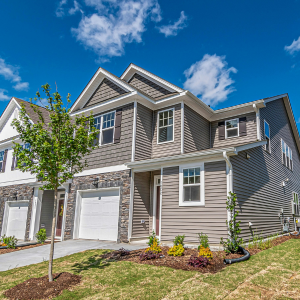
As a key part of protecting the value of a property and ensuring a successful sale, tenants should be held to clear expectations in the lease agreement regarding what should be done for the property. Expectations for lawn maintenance, timely response to needed repairs, and community behavior should all be included in the lease agreement. By setting expectations in the lease agreement from the beginning, the agreement’s tone is set to be strict and will help protect the owner’s investment.
It is suggested that the property owner also conduct regular inspections to ensure the property is performing up to standard. Also, inspections should be conducted at least 2 times a year. These inspections can also be documented for inclusion in the contract and to help bear the burden of responsibility for the tenants. All of these tactics can help increase the tenant’s investment in the property by fostering stronger open communication.
Including clauses that define consequences for unmet maintenance obligations ensures recourse for breaches and emphasizes the tenant’s role in preserving the home. When combined with incentives such as rent credits or seller financing, tenants are motivated to maintain the property while enjoying benefits tied to eventual ownership. This partnership approach transforms the rent-to-own process into a strategy that safeguards property value and makes the transition from tenant to homeowner smooth and rewarding.
Setting Up Effective Lease Agreements
In Minnesota’s ever-changing housing market, developing strong lease agreements is key to a successful rent-to-own transaction. Lease agreements help establish a firm understanding of the agreements between the seller and the potential buyer. They include details on how rent credits, option fees, and time frames to act on purchase options and contracts will help buyers understand how their monthly payment will be applied to the future purchase price and how transparent the seller is during the lease. This sense of transparency provides both parties with peace of mind during the lease.
Well-written lease contracts protect the lessor’s financial interests and foster the lessee’s commitment to the lease agreement, thereby protecting the lessee’s investment. If buyers are less committed to the lease, step-by-step transitions can be applied to them to ensure there are no gaps in their commitment. Finely tuned lease contracts are the foundation for successful rent-to-own transactions in Minnesota to ease their market.
Contact us today for a cash offer. We make selling your Minnesota home simple, providing clear terms and fast, hassle-free transactions that protect your investment and give you peace of mind.
Incorporating Rent Credits into Contracts
Proposed rent-to-own agreements must include rent credit features to better motivate potential tenant buyers, as well as protect the long-term value of your investment. Rent credits, in this case, are the potential future purchase price of the home, to which the monthly rent payments will be applied. This feature can, and often will, motivate tenants and protect the home from depreciation by increasing its value. Rent credits should be clearly outlined, as they can help both the tenant and the landlord meet their goals.
Rent credits give sellers confidence that their tenants will stick with them all the way to becoming homeowners. Making tenants responsible for the property’s upkeep helps ensure they treat it well. Deciding on the percentage of rent to credit is a key factor, as is ensuring the credit system aligns with the seller’s and buyer’s financial goals. Aligning all of these factors, from a behavioral economic perspective, is more easily achieved with a good understanding of the local market and a well-supported valuation of the subject property.
Clear rent credit guidelines that define how to achieve a shared homeownership goal give tenants a clear path to buy the property. This is even more true for buyers with finite buying options. Emotionally, they will enhance their attachment to the home and their desire to take care of it. Clarity will help both buyers and sellers to feel confident that their monthly payments will get them that much closer to their goal of a home. Rent credits give buyers the opportunity to invest in the property and, more importantly, align the parties to make the goal of mutually owning the home a reality.
Handling Option Fees and Their Implications

Handling option fees correctly is a vital part of setting up effective rent-to-own agreements in Minnesota. An option fee is an upfront payment by the tenant that gives them the right to purchase the property within a set period. Typically non-refundable, these fees are sometimes applied to the home’s purchase price, incentivizing buyer commitment and providing sellers with immediate financial assurance.
Strategically setting option fees can influence the dynamics of your lease agreements. Fees should reflect the property’s market value and the tenant’s financial situation, providing sellers with security while signaling the buyer’s commitment. Proportionate and well-justified fees help maintain the attractiveness and credibility of the rent-to-own arrangement.
Clear communication about option fees is essential. Sellers and/or investor home buyers in Minneapolis and other Minnesota cities should outline whether and by how much the fee will be applied to the purchase price to prevent misunderstandings and build trust. Tenants often view these fees as an investment in their future home, aligning current payments with long-term ownership goals. Option fees can also cover property security or other immediate expenses during the lease period, providing practical benefits for sellers.
Contract flexibility regarding renegotiation will allow the Twin Cities area and similar rapidly changing areas to adapt more effectively to market shifts. Option fees can be managed and understood legally and financially to help sellers develop gradation clauses in rent-to-own contracts that hedge the seller’s risk while still providing the tenant with a defined pathway to enduring homeownership.
What If a Tenant Buyer Is Unable to Qualify?
Issues may arise even with clear expectations in the lease agreement, particularly when a tenant-buyer cannot secure a mortgage after the rent-to-own period ends. Often this is the case when the buyer’s credit score and/or financial standing is worse than anticipated. From the outset, ongoing communication about financing should be a priority to ensure the buyer is credit-ready and to provide guidance to help them remain eligible for a mortgage.
The incorporation of milestones into leasing and tracking financial goals during the lease period encourages the seller to go the extra mile by providing financial consultation, tools to access credit, and/or finance education resources. Taking these steps reduces the risk of the sale falling through for the seller and helps the buyer with their future mortgage application.
Flexibility in a lease, including extensions and alternative payment options, can help buyers secure financing in the future. This can include a rent credit, along with other changes/incentives aligned with future improvements. From the seller’s standpoint, possible extensions should factor in the buyer’s commitment, the ability to sell the leasehold interest within a given time frame based on the local real estate market, and the property’s expected future value.
To finish, showing the tenant that you have been tracking their progress and monitoring the situation on your end demonstrates transparency. Contingency-type plans, such as payment terms that can be modified to the buyer’s advantage and rent reductions during these extensions, can support your seller’s side of the transaction. By holding firm on expectations while offering some encouragement, the seller can turn a potential issue into a positive outcome in the rent-to-own agreement.
Selling your house rent-to-own in Minnesota, particularly in the vibrant Twin Cities region, presents a unique opportunity for both sellers and buyers. By offering flexible financing, you can attract a wider pool of potential buyers, ultimately reducing the time it takes to close a sale. Ensure you draft a clear, detailed lease agreement and select responsible tenants ready for homeownership. Embrace this innovative approach to selling your property, capitalizing on the thriving local housing market, and gain financial stability and peace of mind knowing you’ve facilitated a mutually beneficial transaction. Explore rent-to-own and transform your selling strategy today.
FAQs:
What is a rent-to-own agreement, and how does it work in the Twin Cities?
A rent-to-own agreement, or lease option, combines renting with the opportunity to purchase a property later. Buyers live in the home and pay rent for 1 to 3 years, with the option to buy before the lease ends. This approach is popular in the Twin Cities’ dynamic housing market.
What should I consider when setting an asking price for a rent-to-own home in Minnesota?
When setting an asking price, conduct thorough market research, review recent sales of similar properties, and consider unique features such as proximity to schools or public transport. Factor in home improvements and their effect on long-term equity. A competitive price helps attract serious buyers.
How do rent credits work in a rent-to-own agreement?
Rent credits are portions of the tenant’s monthly rent applied toward the property’s purchase price. This feature incentivizes tenant buyers by building their investment into home ownership while ensuring the seller maintains tenant commitment and helps preserve the property’s value.
What role do option fees play in rent-to-own agreements?
Option fees are initial payments made by tenants for the right to purchase the property in the future. These fees are typically non-refundable but can be credited towards the purchase price to ensure tenant commitment and offer sellers immediate financial assurance.
How can I ensure a successful transition from tenant to homeowner in a rent-to-own arrangement?
Clearly communicate financial goals and credit improvement from the start. Offering financial counseling can boost the tenant’s chances of securing a mortgage. Providing lease-term extensions and tracking progress helps ensure a smooth transition to ownership.
Do you need to sell your house? Sell it quickly, avoid costly repairs, or prefer a hassle-free sale. K&G Investments is here to help. We offer fair cash offers, handle all the details, and make the process seamless. Ready to sell or have questions? Call us at (612) 400-8070 for a no-obligation offer. Get started today!
Helpful Minnesota Blog Articles