
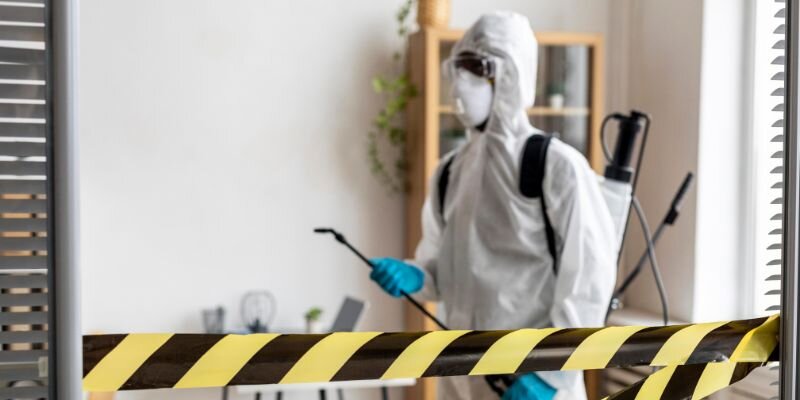
If you want to sell a house in Minnesota that has asbestos in it, you have to sell with state rules and buyers’ fears. This guide tells you how to sell and talk about asbestos when you’re selling a house. It makes sure that the rules are followed and the buyer trusts the sale. You can close the sale much more easily if you know what the law says and how to explain it clearly. If you want to sell your house fast for cash in Minnesota, especially one that has asbestos, you need to know what to do. This is true whether you’re in Minneapolis, St. Paul, or somewhere else in the state. Check them out and learn how to confidently sell your home in the Land of 10,000 Lakes.
Brief Overview
Minnesota law says that if you want to sell a house that has asbestos in it, you have to be honest with buyers and market the house in a smart way. It is very important to know how asbestos affects property value and to make sure that state rules are followed. Getting a skilled asbestos test, thinking about remediation, and advertising upgrades and features that aren’t related to asbestos can help homeowners sell their homes faster. The sale can go smoothly if buyers have all the information they need and are able to negotiate on their own. This well-thought-out way saves time and money on the real estate market while making the sale go smoothly.
Key Highlights
- Selling homes with asbestos in Minnesota involves navigating legal and buyer concerns, emphasizing asbestos testing and disclosure.
- Historical use of asbestos in homes means sellers must understand its common locations to accurately inform potential buyers.
- Full asbestos disclosure is mandatory in Minnesota, safeguarding buyers and promoting informed purchasing decisions.
- By ensuring accurate reporting, professional asbestos testing fosters buyer trust and guides potential remediation needs.
- Strategic marketing emphasizes home value, location, and upgrades, overcoming the stigma of asbestos to appeal to buyers.
Understanding Asbestos: What Every Seller Needs to Know
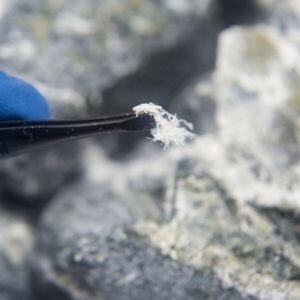
People who are trying to sell their houses have been very worried about asbestos. This is especially true in Minnesota, where older homes often have it. If someone wants to sell something, they need to know where it is in the house and what it’s used for. People who read this will be able to make smart decisions and follow Minnesota’s laws. Sellers can better address asbestos issues that might make it harder to sell their homes if they know where the asbestos came from and where it is most commonly found. Let us look at our past and what home life is like in general.
The History of Asbestos in Homes
Mineral asbestos is found in nature and became very famous in the building business in the 1900s. It was added to a lot of building materials because it was good at keeping heat in. It was known for being strong and not getting hot. Asbestos was found in many homes across the US by the middle of the 1900s, even in Minnesota. On floors, roofs, and in heating and water systems, asbestos was often used because it could be used in so many ways. It was useful, but scientists didn’t fully understand how it affected health until a long time after the fact. People who bought and sold homes were both more worried about their health because of this.
Asbestos was seen in a different light by the late 1970s. Studies made it clear that being close to asbestos was definitely connected to serious health issues like mesothelioma, asbestosis, and lung cancer. Tougher rules were put in place because of this, which makes it much less useful for making homes. This history is very important for people who live in Minnesota because a lot of homes built before the rules changed still have asbestos in them. When sellers know this, they can talk to possible buyers more clearly about the asbestos in their homes, which makes them feel better about the whole selling process.
It was also important to many people that the places they lived were healthy, and they wanted homes without asbestos. Because of this trend, the building business looked for better options. People in Minnesota who are selling their homes today might find it interesting to talk to potential buyers about how towns used to build with asbestos and then switched to better materials. It shows that you are willing to be open and stresses how important it is to live responsibly. If you want to follow the law and make good, moral choices when you sell your home, you need to know about the effects of asbestos use in the past.
Common Areas Where Asbestos May Be Found in a House
There is probably asbestos in a lot of regular places in Minnesota homes. The main reason for this is that it has been used in many building projects for a long time. In some places, like the attic, asbestos was used to keep things warm. It did this because it was very good at blocking heat, which made it a great choice for the roof. In the same way, asbestos padding could be used to cover basement lines. Asbestos was often used to keep these devices safe. This saved energy because it stopped heat from escaping, kept the water warm, and made the heating system work better all around.
Floor coverings are another important place to check for asbestos. A lot of older homes in Minnesota had asbestos-filled vinyl floor tiles because they were fire-resistant and lasted a long time. Asbestos can also be found in ceiling tiles, especially in older kitchens or basements, where being able to handle heat was important. Paints with asbestos were often put on the walls to make them safer in case of fire.
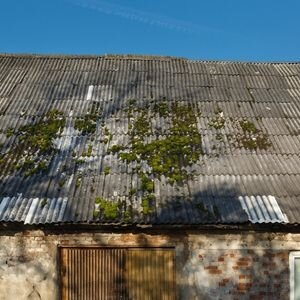
Also, the outside of the house doesn’t look like it could have asbestos on it. People liked asbestos-cement roof shingles because they didn’t break down quickly and lasted a long time. The roof and eaves may also have asbestos in them. A lot of roofing made with asbestos fibers does this to make it last longer and keep out bad weather. Before they put their house on the market, people who own these places should know about them and maybe get a professional check and asbestos testing to find and think about any risks.
When someone wants to sell their home, they should know about these common places where asbestos can be found. If buyers know about places where asbestos might be common, they can be ready for any issues that might arise, such as calling professionals to do asbestos tests or talking to them about how to clean up. This method makes the house safer and also helps people who might want to buy it trust and believe in you. When owners get a house ready to sell, they can point out the steps they took to make sure it was a safe place to live. This could help the home’s market value even though it has asbestos in it.
| Aspect | Historical Context | Common Locations | Seller Considerations |
|---|---|---|---|
| Asbestos Usage | Used extensively before 1980 for fire resistance and insulation | Insulation materials, roofing, and flooring | Identify the age of the home to assess risk |
| Health Risks | Recognized as a hazardous material since the mid-20th century | Pipe insulation and textured ceilings | Understand implications for buyer concerns |
| Regulations | U.S. regulations began in the 1970s to limit the use | Old HVAC systems, siding | Comply with disclosure requirements |
| Inspection and Testing | Awareness increased post-1980s with stricter guidelines | Wallboard and join compounds | Consider professional inspection before listing |
This table shows the important information about asbestos in homes, such as how it was used in the past and the most common worries of home sellers. It might help you decide if you want to sell your house.
Legal Considerations When Selling a House with Asbestos in Minnesota
If you want to sell a house in Minnesota that has asbestos in it, you may not know what the rules are. But if you know what the rules are, the process will go more quickly. First, check to see if it is possible to sell a house that has asbestos in it. The second step is to figure out what you need to say to people who might buy your stuff. To follow Minnesota’s rules and make sure the whole process of selling a home is open and honest, these things need to be thought about. People who buy a house can better control how these legal problems might affect its ability to sell if they take care of them.
Can You Legally Sell a House with Asbestos?
This is the law in Minnesota: you can sell a house with asbestos in it. But there are a few things you should think about to make sure the sale goes smoothly. This information about the law is very important to know if you want to stay out of problems with the law. People who want to sell their home don’t have to get rid of anything that contains asbestos before they do so. Still, it’s important to know the best ways to check for asbestos. This can be a big part of the process and help sellers figure out where the mineral is present. These tests should be done before the house is put on the market because they give very useful information that helps keep things honest. Sellers who know where asbestos is found can give buyers a full picture, which can help them make a sale.
There is a chance that a house with asbestos can still be sold, but it might be harder to do so. People who are thinking about buying might be hesitant because asbestos can cause health problems like asbestosis and mesothelioma. Some sellers may give buyers a full asbestos disclosure that tells them if and how much asbestos is in the house. This can help buyers feel less worried. Not only do buyers and sellers have to talk, but it’s also a good way to build trust. For homeowners exploring faster alternatives, understanding how our process works can provide a clearer path to selling without the usual delays and complications. If the seller goes into great depth about asbestos and where it is found, it can show that they are honest and want to be a good homeowner. This can make the house more appealing, even though it has asbestos on it.
It can be hard to sell a house in Minnesota that has asbestos because of the law and the market. It is legal to sell such a house, but it will sell faster if you test for asbestos and tell the buyer everything they need to know. Both buyers and sellers can use it to set goals that are attainable. It’s important for both groups to feel safe in their own homes. Possible buyers should be told about professional asbestos tests and cleanup options. This helps them get ready for any steps that may need to be taken after the sale. With this all-around plan, buyers may be able to close the sale.
Disclosure Requirements for Asbestos in Your Home
In Minnesota, people who want to sell their home must say if it has asbestos in it. This keeps potential buyers safe and gives them information. People who want to buy a house must be told exactly what kind of asbestos is known to be in it. People should follow this rule to avoid health risks they didn’t know about and to help them make better choices when they buy a home. You could get in trouble with the law if you don’t tell the truth about things like asbestos in the home. Sellers should be completely honest about this.
The first step in asbestos disclosure is to find out how the property’s asbestos goods have been used in the past and how they are now. People who want to buy something should test for asbestos to be sure it is there. Testing the house is an important first step in writing a good disclosure statement because it lets you give a true account of how things are with the house. For potential buyers to trust you, this factual base is very important. Without it, they might be wary of the risks of asbestos exposure.
Not only does a full asbestos declaration meet the rules, but it can also help the selling process. Cleaning up safety problems can help people who are selling their home make it more appealing to people who want to buy it. Being honest makes the talks go well and keeps the sale fair. When someone wants to buy something, they are more likely to do business with someone they believe is honest and open. Also, being open about asbestos issues from the start lets you talk about possible solutions, such as paying professionals to get rid of the asbestos. This can reassure buyers who aren’t sure what to do and could make the sale go more smoothly.
Asbestos disclosure is a very important Minnesota law that ensures real estate transactions are safe. This way, sellers not only follow the rules of the state, but they also help make it better and smarter for buyers. If you tell buyers all about asbestos, they will be less upset, less likely to argue, and the moving process will go more smoothly. This builds trust in the real estate market. Also, buyers can do their jobs more honestly and effectively if they know what the legal consequences are for not sharing asbestos information.
Preparing Your Home for Sale: Asbestos Testing and Remediation
You need to be ready to sell a house in Minnesota that might have asbestos before you do so. To ensure safety and comply with state rules, part of this process is to identify and remove asbestos. You need professional help to find asbestos and figure out what to do to fix it. This part talks about why you should have a professional check your home for asbestos and when you need to fix the problem before you sell it. If owners know these steps, they can address any issues that may arise and maintain the property’s value, even if there are asbestos-related issues.
The Importance of Professional Asbestos Testing
If you live in Minnesota and want to sell your house, you need to have asbestos checked by a professional. This test makes sure that all possible health risks are found and gives a full picture of how much asbestos is in a house. Once upon a time, asbestos was used in many building materials, such as roofs, floor tiles, and insulation. This means that this dangerous product could be found in every part of a house. If homeowners get a qualified asbestos contractor to test their property, they can get accurate information about where the asbestos is, which they will need to write accurate disclosure statements for people who might be interested in buying.
The first step is for a trained asbestos contractor to do a full check of any products that might contain asbestos and take samples of them. This is then checked in a special lab to see if there are any asbestos pieces. Some homes might be tempted to use self-testing kits, but they aren’t as safe or useful as professional services. Tough safety rules are also followed by professionals to make sure that asbestos pieces don’t get released while samples are being taken, that people living in the homes are safe, and that Minnesota’s safety rules are followed.
It’s not just the law that says you need to know about the benefits of professional asbestos tests. People who might want to buy your house should also be honest with you. This can help a lot in the talks. They can tell buyers everything they need to know if they know there is asbestos in the house. This makes buyers feel safer about possible health risks and builds trust. Correct test results can also help buyers decide if asbestos needs to be removed before open houses. This can change both the ad price and the overall sales strategy. By directly handling buyers’ concerns, this method gets the house ready to sell and places it in a good position in the Minnesota market.
Marketing Strategies for Selling a House with Asbestos

If you want to sell a house in Minnesota that has asbestos, you should make good marketing plans that show off the house’s value and let buyers know you understand their concerns. Even though the house has asbestos, it’s important to stress the good things about it and be tough when negotiating with a buyer. If sellers know what fears many buyers have about asbestos, they can figure out how to best explain how the home can address possible health and safety issues. In today’s tough real estate market, this will help them close the sale.
Highlighting the Value Despite the Presence of Asbestos
People in Minnesota who are trying to sell their home—especially those considering working with cash home buyers in Woodbury or nearby areas—should stress its unique features and strengths. This is especially important if the home has asbestos. Think about the things that make your home special, like where it is, how big it is, the building details it has, or how important it is historically. For example, if your house is in a great area near parks, schools, and other useful services, mentioning these can help take the attention away from your worries about asbestos. A lot of buyers are willing to overlook small issues if the house is easy to get to or has cute, one-of-a-kind features that show off the history of Minnesota’s architecture.
It can also be helpful to spend money on repairs or changes that have nothing to do with asbestos. If you want to sell your house to someone who cares about the environment, you can make it look well-kept and forward-thinking by adding energy-efficient windows and appliances or changing the planting. To show off these changes, real estate listings and open houses should use high-quality photos, thorough descriptions, and virtual tours. Putting in these kinds of changes shows that you care about the property for the long term, which reassures buyers who aren’t sure about the value that it’s more than just asbestos.
Giving thorough records of how the house looks and what was done to remove asbestos is another good way to do it. Giving potential buyers a full report from a professional asbestos check can help make things clearer. Because it’s open, sellers can say exactly where asbestos is found and under what conditions. This may answer any questions that are still open. Also, showing buyers possible asbestos removal plans or prices not only makes them more sure that the problem can be fixed, but it may also let you ask for more money, which will cover any problems the buyers see.
In order to stress how reliable the whole system is, buyers can say that dealing with asbestos is part of a complete and well-thought-out repair plan. People who might want to buy it need to know about its health, reliability, and honesty. They also need to know about the risks and the steps being taken to lower them. So, being clear and honest are smart ways to sell because they build trust, which can help with talks and lead to sale that go well. In particular, writing down answers to common questions ahead of time can help people stay focused on the goal of making the house more valuable. If you want to properly address pot buyers’ concerns about asbestos, you might want to consider these plans:
- Telling people the truth about asbestos and giving written reports or predictions is a good way to build trust.
- Show buyers proof that you’ve taken care of maintenance and removed asbestos or put in place safety measures.
- Pay attention to the property’s good points, like where it is, what it has to offer, or any new changes that aren’t related to asbestos.
- To calm people down, give people who might buy your asbestos useful information on how to handle it safely.
- Get a price for getting rid of asbestos and show it to possible clients as they make their choice.
It’s possible to make the sale process more appealing, even if there are worries about asbestos.
FAQs
Can you sell a house with asbestos in Minnesota?
Yes, you can legally sell a house with asbestos in Minnesota, but it’s important to comply with legal requirements, such as providing full asbestos disclosure to potential buyers. Testing and transparency are critical to preserving trust and avoiding legal issues.
What must be disclosed when selling a house with asbestos in Minnesota?
Sellers are required to provide detailed information about any known asbestos materials within the home. This includes presenting test results and assessments from professional inspections. Failure to disclose this information can lead to legal consequences.
Where is asbestos commonly found in Minnesota homes?
Asbestos can be found in insulation materials, vinyl floor tiles, roofing shingles, and siding in older homes. Sellers must conduct professional asbestos testing to identify these areas before selling.
How can sellers enhance their home’s appeal despite the presence of asbestos?
Sellers can focus on home upgrades unrelated to asbestos, such as kitchen and bathroom renovations, landscaping improvements, or energy-efficient upgrades. Highlighting the home’s unique attributes can also divert attention from asbestos concerns.
Is remediation necessary before selling a house with asbestos?
While remediation isn’t always necessary, it can increase property value. Remediation involves safely removing or containing asbestos, reducing health risks, and potentially enhancing the property’s value for buyers. If you’re unsure about your next step or want to explore your selling options, you can always reach out to us for guidance and a no-obligation offer.
Helpful Minnesota Blog Articles