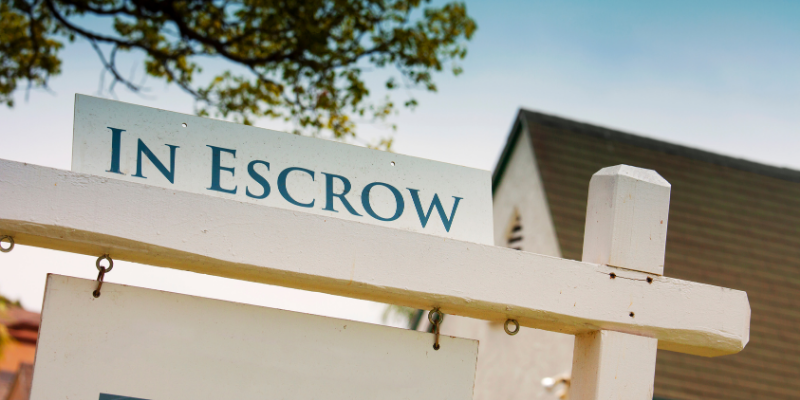
There are several steps involved in selling your home in Minneapolis, MN, and one of them is understanding how your escrow works. Escrow is one of the more integral financial and legal parts of the sale of any property. Escrow accounts are designed to hold funds and documents until all conditions of a sale are satisfied. Because of this, understanding how escrow works in Minnesota will give home sellers greater clarity and peace of mind, especially when selling and seeking a more streamlined process. Whether this is your first time selling a home or if you’re more experienced, understanding escrow will help you manage your expectations and avoid problems in the process.
Key Highlights
- Escrow involves a third party holding transaction funds to ensure a secure, straightforward property sale process.
- Understanding escrow processes in Minnesota is essential for smooth real estate transactions and legal compliance.
- Managing escrow accounts helps cover property taxes and insurance, safeguarding financial obligations.
- Ensuring property taxes are current avoids transaction delays and potential buyer deterrents.
- Regular property maintenance during escrow is crucial to sustaining buyer interest and a seamless transaction.
Understanding Escrow in Minnesota for Home Sellers
Understanding how escrow works in Minnesota will help you sell your home smoothly. After deciding to sell your home, learning about escrow will streamline your transactions. Escrow in real estate means a third party temporarily holds funds or documents from the buyer or seller. Escrows protect the interests of both parties. In this section, we will discuss what escrow is, the importance of escrow when selling your home, and how escrow aids in a smooth transaction from a property and mortgage perspective.
What Is Escrow and Its Importance When You Sell Your Home?
Understanding escrow protects your financial interest and ensures a smooth transaction when selling a home in Minnesota. An escrow is a neutral arrangement in which one of the parties to the sale serves as a third-party neutral. Escrow is a process that protects the seller and the buyer from financial and legal issues and transactions.
An escrow account during a home sale contains the seller’s earnest money, funds to pay off the seller’s mortgage, and funds to pay closing costs. None of that money will be released until the home passes inspection, the seller provides the buyer with disclosures about the house, and one of the seller’s title company requirements is met, ensuring all the seller’s obligations are met. This escrow arrangement means the obligation is met, and any property taxes and insurance due on the home are paid before the house is sold and ownership transferred.
The seller in Minnesota will also have to comply with the state’s disclosure laws and provide the buyer with any documents showing an outstanding mortgage balance on the home, as well as a description of the house. These documents help eliminate ambiguity regarding the home, comply with the law, and minimize the risk of a disclosure gap that could delay the closing.
Escrow keeps money, documents, and due dates organized to ensure that everyone involved in the closing process knows precisely what to expect. A seller who understands all the pieces of an escrow can eliminate the complexities that come with it.
The Role of an Escrow in Ensuring a Smooth Transaction
When selling a home in Minnesota, escrow is essential for organizing, securing, and completing the processes involved in a real estate transaction. Acting as a neutral third party, the escrow company interfaces between the buyer and the seller and holds the funds and paperwork until the sale goes through. With an escrow account, all parties have assurance that payments are made and that the transaction is processed correctly and thoroughly.
Escrow agents are responsible for collecting and distributing payments during the transaction. This includes mortgage payments, property taxes, and insurance premiums. These are processed through the escrow account and released only if the contracts are fulfilled. This ensures that a buyer makes the necessary payments and that a seller does not transfer the deed prematurely.
Escrow also helps keep all the paperwork organized and processed until the transaction closes. These are also important in finalizing payments. In Minnesota specifically, there are rules and regulations governing real estate transactions. In the event of discrepancies in taxes or paperwork, the escrow agent is responsible for resolving them.
Escrow helps sellers manage critical information, avoid unexpected hurdles, and prevent financial surprises. Knowledge of escrow processes gives sellers confidence as they navigate the selling experience. Escrow is thus an essential element in the efficient sale of a home in Minnesota.
Navigating the Escrow Closing Process
Knowing the steps involved in escrow closing becomes paramount as you begin selling your house in Minnesota. As you look to finalize the sale, escrow closing will symbolize the end of the process. All requirements for the transaction will be met, and your property will be sold. Being knowledgeable about the steps keeps your transition stress-free and protects your interests regarding your mortgage and property tax obligations. It also eases the transition to property tax and keeps your financial interests secure.
What Happens When the Escrow Closes?
Closing an escrow in Minnesota requires a careful process to ensure a smooth ownership transfer and that details do not get overlooked. One step involves a detailed review of your escrow statement. This document explains how the closing funds will be allocated, including mortgage payoffs, closing costs, and taxes. It helps confirm all figures early on and explains how financial commitments will be met, eliminating any surprise commitments.
Subsequently, confirm all documents concerning the underlying property are complete and current. This includes any outstanding property taxes and insurance premiums, as well as any required disclosures. Most of these expenses are settled through escrow at closing, but an unresolved balance could really slow things down. Taking care of these items in advance helps provide a smooth closing.
Also, be sure to establish open lines of communication with your escrow provider and lender. Talk it through with your escrow service to ensure there are no outstanding obligations and to determine whether any remaining payments are required before closing. Proactive communication reduces the risk of a closing being postponed and enables a continuous, streamlined process.
Finally, maintaining compliance with Minnesota real estate regulations is critical. This means ensuring that all legal, financial, and disclosure documentation complies with state regulations before escrow closing. Having everything in order during this stage means fewer complications, greater buyer confidence, and a higher likelihood of the home sale proceeding smoothly and without issues.
Steps to Prepare for Escrow Closing in Minnesota

In Minnesota, being prepared for an escrow closing requires attention to detail to ensure the ownership transfer goes smoothly. One of the first steps is to thoroughly review the escrow statement. The statement details how the closing funds are allocated, such as mortgage payoffs, taxes, and other closing costs. Verifying these figures early helps confirm that all closing financial obligations are met to avoid surprises.
Next, confirm that all property-related documents are up to date and complete. This includes any unpaid property taxes, insurance premiums, and any required disclosures. These closing costs are escrow-related, but an unpaid balance can delay the transaction. Because of that, taking care of these items beforehand will set up an efficient closing.
After all that, the most crucial detail is to keep clear communication with the lender and escrow provider. This involves discussing the status of the escrow account and the remaining balance, as well as the possibility of additional payments being needed before closing. This type of communication, as proactive as possible, will set up time to address a deficit and move the process along.
Lastly, outline and adhere to Minnesota real estate regulations. This involves verifying that all documents related to legal, financial, and disclosure matters comply with state regulations before closing escrow. Sufficient preparation at this step minimizes the potential for issues down the road, instills buyer confidence, and increases the likelihood that your home sale will be completed successfully and without complications.
Managing Your Escrow Account and Property Tax Obligations
Understanding escrow accounts in Minneapolis, MN, especially for property taxes, can be a little more complicated when it comes to transactions. Managing this financial component simplifies the transactions and protects the economic interests of the seller and buyer. Since escrow manages mortgage payments, insurance, and taxes, it is best to be prepared in these areas. This section addresses the impact of property taxes and insurance on your escrow. This section aims to keep you updated before you sell. Managing these components gives you financial peace. This helps sell the property successfully.
How Property Tax and Insurance Impact Your Escrow Account
Selling a home in Minnesota involves a complex process, and property taxes and homeowners’ insurance are two key factors that influence how your escrow account operates. An escrow account is a financial holding account that ensures these obligations are paid on time. In more detail, a portion of each mortgage payment is deposited into an escrow account, helping prevent missed payments. This structure protects homeowners from late fees and funding lapses that could delay a sale.
During the selling process, homeowners’ insurance is crucial. To protect the home from loss, most lenders require active coverage, which must remain in place until the transaction is considered complete. Having active insurance coverage protects your investment but also reassures buyers that the home remains fully insured throughout escrow. Changes in property tax assessments and insurance premiums may also affect your escrow balance, leading to payment adjustments or shortages. To avoid surprises as the closing date approaches, monitoring these changes early is the best option.
Escrow usually protects both the lenders and the transaction’s compliance by requiring fully paid taxes and insurance until ownership transfers. This keeps their financial stake secure. For sellers of homes in Minnesota, as the tax and insurance rates in your county fluctuate, you must know how your escrow handles these payments. Accurate and up-to-date escrow accounts minimize the chances of delays, safeguard buyer confidence, and facilitate a smoother closing.
| Aspect | Role in Escrow | Potential Impact | Best Practices |
| Property Taxes | Included in monthly escrow payments | Overdue taxes can lead to penalties | Review statements regularly |
| Insurance Premiums | Collected and paid from escrow | Lapsed coverage can risk property security | Ensure timely payments |
| Payment Adjustments | Modifications based on tax/insurance rates | Unexpected shortfalls may occur | Budget additional funds for adjustments |
| Escrow Analysis | Annual review of the account balance | Incorrect estimations may cause discrepancies | Request regular analysis from service provider |
This table underscores the importance of proactively managing escrow accounts to ensure smooth property sale transactions.
Ensuring Your Property Taxes Are Up-to-Date Before Selling

Before selling your home in Minnesota, check whether any outstanding property taxes are owed to avoid complications during the escrow period. Taxes that are owed or incorrectly calculated will create complications during escrow and closing and will decrease the buyer’s confidence in the deal. Knowing the status of your taxes early and clearing them with your lender, your escrow statements, or the local tax collector will eliminate surprises and keep the sale on course.
Liens can be created on a home if property taxes are owed, and those must be resolved before any ownership transfers. Escrow will typically cover the costs of outstanding liens with the proceeds of the sale; however, unencumbered excess liens can delay the entire process or cause buyers to back out. Before listing your home, review your tax records and escrow documents to get a clear picture of what needs to be resolved before getting a clean title.
You will also need to keep in close communication with your lender and your escrow agent. It will assist in identifying any under- or overpayments and in dealing with or avoiding the delays and added costs of sudden taxes. If you take this approach, your home will be more appealing to buyers, and any closings will be more relaxed.
For homeowners who want to avoid escrow-related delays altogether, K&G Investments offers a simpler alternative. As a local cash house-buying company in Minnesota, K&G Investments helps homeowners in Minneapolis, MN, sell their houses fast for cash—often without traditional escrow complications, repairs, or lengthy timelines. This can be especially helpful if property tax issues or liens are a concern.
By understanding your tax obligations and addressing them early, you protect your financial position and move closer to a hassle-free sale—whether you choose a traditional listing or a fast cash option. You can contact K&G Investments at (612) 400-8070 today!
FAQs
What does escrow mean, and what is its significance in the home-selling process in Minnesota?
An escrow is an arrangement with an impartial third party who receives and manages the funds and relevant paperwork for the transaction, providing security for the buyer and the seller. Minnesota offers escrow services that ensure smooth transactions by managing property tax and insurance payments and securing other financial commitments.
What is the role of an escrow account in the management of property taxes and insurance during the sale of a home?
An escrow account serves as an intermediary, allocating a portion of the monthly mortgage payment to be set aside for property taxes and insurance. This ensures that the payment is always on time and prevents an insurance lapse, thereby facilitating the sale of a home.
What should Minneapolis sellers pay attention to before the closing of an escrow?
The sellers should review the escrow instructions for the disposition of the funds, ensure that all documents about the property are complete and accurate, and clear any tax and insurance payments. Keeping your lender in the loop will help address any concerns and result in a smoother process during closing.
How can sellers guarantee that their property remains in good condition throughout the escrow period?
Sellers can perform regular maintenance, short inspections, and repairs to keep the property in the best condition. They should maintain the property’s curb appeal and show the buyers any maintenance that has been done to help foster trust.
How do property taxes and property insurance affect escrow?
Taxes and insurance are the two most significant factors affecting escrow because they are part of what the escrow account manages. Failure to pay taxes can result in a lien being placed on the property, which will stop the process from moving forward. Active insurance coverage on the property will protect the sellers and buyers during escrow.
Helpful Minneapolis Blogs Articles
- Selling A House As-is In Minneapolis, Minnesota
- Documents For Selling Your Home In Minneapolis, Minnesota
- Homeowners Insurance When Selling a House in Minneapolis, MN
- Executor Authority in Selling Property In Minneapolis, MN
- Sell A Tenant-occupied Property In Minneapolis, MN
- Selling a House with Title Problems in Minneapolis, MN
- Sell Your House Below Market Value In Minneapolis, MN
- Selling Your Fixer-upper Home In Minneapolis, MN
- HOA Foreclosure Risks In Minneapolis, Minnesota
- Selling An Inherited House In Minneapolis, Minnesota
- Minneapolis, MN, Regulations For Leaving A House Vacant
- Paperwork For Selling a House By Owner In Minneapolis, MN
- What Happens to My Escrow When I Sell My House in Minneapolis, MN
- Selling House with Septic Tank Problems in Minneapolis, MN
- Who Covers Appraisal And Inspection Costs In Minneapolis, MN