Some challenges come with selling a home in Minneapolis, MN, with septic tank problems, but that does not mean it can not be done. Educating oneself about the consequences of a failed septic system is essential for a homeowner looking to optimize a property’s value. In the Minnesota housing market, you must address these concerns to facilitate a hassle-free sale. In this guide, you will find workable solutions to septic system problems. It will be of great help to sellers in understanding buyers’ concerns. This resource will help you sell your home regardless of your septic system issues, whether you are looking for repair solutions or state regulations.
Key Highlights
- Recognizing signs of septic failure, such as sewage backups and odors, is vital to timely resolution.
- A failed septic system can significantly decrease property value and extend market time.
- Compliance with Minneapolis’s legal standards is necessary to avoid hindrances to sale.
- Consider repairing or replacing septic systems to enhance property marketability.
- Transparent marketing strategies can mitigate septic concerns and attract buyers despite issues.
Understanding Septic Tank Issues When Selling Your Home
Homeowners selling their homes in Minneapolis, MN, have to navigate some tricky issues when it comes to septic tanks. Knowing how a failed septic system impacts your sale is essential. This overview will help you identify the signs of septic failure and how these issues affect your home. Since septic compliance and inspections are part of the process, having thorough knowledge of your septic system will give you confidence in the home-selling process.
Recognizing Signs of a Failed Septic System

Identifying signs of a failing septic system is essential for homeowners planning to sell their property. A properly functioning septic tank processes and breaks down wastewater efficiently, but when it fails, several warning signs can indicate a problem.
Common indicators include:
- Sewage backups in sinks, toilets, or drains signal that the system is overwhelmed.
- Unpleasant odors in the yard or basement are often caused by leaks or damage.
- Unusually lush or green patches of grass may indicate nutrient-rich leaks from the tank.
- Pooling water or damp spots near the drain field suggests saturation and poor wastewater absorption.
It’s also important to monitor how often your septic system requires pumping. More frequent pumping can indicate blockages or deeper system issues, pointing to potential failure.
Recognizing these signs early not only helps you assess your septic system’s current health but also ensures compliance with local Minneapolis regulations. Proactively addressing these problems can prevent costly repairs, avoid delays in selling, and protect your home’s market value.
Impact on Home Sale and Property Value
When septic systems fail, it causes long-term ramifications on a home’s sale and overall worth. In Minneapolis, utilizing stagnant real estate, buyers see septic systems as a necessity. If they see a house without a septic system, they delay an offer, drop the price, and begin negotiations that drive the home’s worth down.
In the end, buyers see a house with a bad septic system as a money pit and drop the worth. The house remains unsold, and the cost continues to fall. To remedy this problem, sellers are best off making a septic system inspection and repairs before the sale. The seller should also document any repairs to prove them to a buyer readily. An additional step is to ensure the septic system complies with Minneapolis law to prevent a fine or delay in completing the sale.
In conclusion, the problem best serves to protect a home’s worth. In doing so, it further positions the property as a competitive offer and builds trust with buyers. Having a house with a problematic septic system positions the offer poorly, whereas the opposite has excellent value.
Legal Requirements and System Compliance in Minneapolis
Selling a home in Minneapolis with septic tank issues requires understanding the legal requirements and system compliance necessary for a successful transaction. Local and state regulations mandate compliance with inspection standards to ensure septic systems meet specified requirements. This involves understanding the required inspections and complying with Minnesota system standards to avoid legal pitfalls. Grasping these elements helps protect property value, meet potential buyers’ expectations, and ensure a smooth sales process in the competitive Minneapolis housing market.
Understanding Required Inspections and Compliance
Minneapolis residents hoping to sell a home with a septic system should familiarize themselves with the inspection and compliance requirements. In Minnesota, septic systems must meet specific standards to protect the public and the environment. This must be done for a property to change ownership.
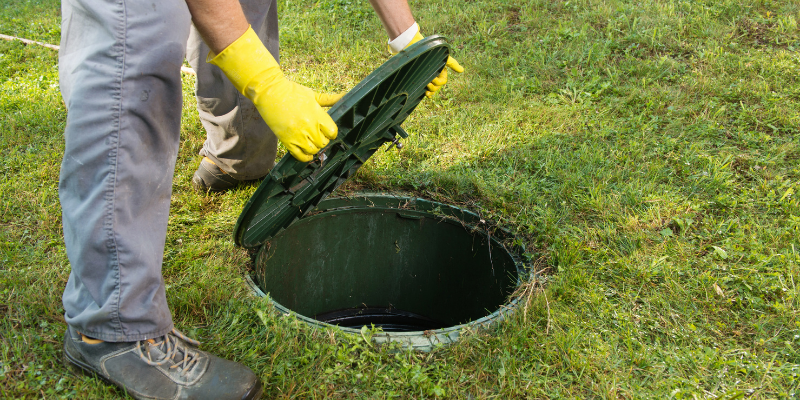
The seller must work with local authorities to schedule a compliance inspection, which typically involves Hennepin County Environmental Services. The inspections check whether the tanks are intact, whether the pipes are connected, and whether the leach or drain field is functioning. Due to the city’s soil and population conditions, standards can be pretty strict, placing great importance on preparation to avoid delays in the property’s sale.
It is just as essential to keep all permits and paperwork of previous repairs or upgrades. These documents are related to compliance and can enhance the buyer’s confidence and help negotiate the property more positively.
Addressing inspections and any subsequent issues—such as repairs, upgrades, or even remediation—will, of course, ensure compliance and, potentially, establish a strong bond of trust with buyers and eliminate the risk of complications at the time of closing. Prior steps can be taken to optimize time in advance and improve the seller’s place in the competition.
Addressing Septic System Standards in Minnesota
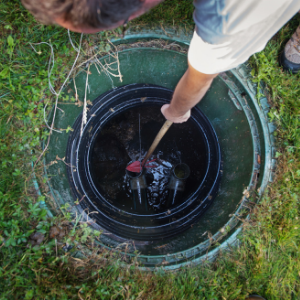
Septic system standards in Minnesota are for homeowners selling a home during the home-selling process. Minnesota is focused on protecting the public and the environment, making the Minnesota Pollution Control Agency (MPCA) Minnesota’s standards the most extensive in the country.
Since sellers are responsible for system construction, maintenance, and inspections, they prevent their systems from leaking, overflowing, or contaminating systems adjacent to their groundwater.
Septic systems must be complete before selling the property, which results in inspectors creating checklists for sellers to complete. While these repairs can be expensive, non-compliance and costly maintenance can protect the value of your property’s
There are many types of septic permits to understand and keep up to date, from minor repairs to large complete system installations. Buyers are confirmed that the system is legal and that they’re selling a home in Minnesota that complies with it.
For homeowners, the direct result of pre-selling septic compliance is reduced legal risk and greater confidence for buyers, making the transaction smoother and safer. This process is faster.
Options When Dealing With a Failed Septic
Facing a failed septic system while trying to sell your home in Minneapolis can be daunting, but knowing your options can make a significant difference. The key choices are either repairing or replacing the septic tank or selling the home as-is. Weighing the risks and benefits of each path is crucial to making an informed decision. In this discussion, we’ll delve into the considerations involved in repairing or replacing a septic system and what selling as-is means for your home sale in Minnesota.
Repair or Replace the Septic Tank: What to Consider
Whether to repair or replace a failed septic tank is a decision that can significantly affect your home’s marketability in the Minneapolis real estate market. First, you must assess the septic system to figure out the best options.
If the system is intact, then repair is likely an option. Typical repairs include patching a small leak, replacing a few damaged pipes, or addressing any minor defects. Repairs are usually cheaper than replacement and can be a practical option when repairs work optimally, and cost is a concern.
If new systems are needed, it indicates that losses are extensive or that environmentally hazardous systems fail the Minnesota compliance standards. New systems are more expensive, but they provide a guarantee of compliance. Also, they are likely to reduce someone’s stress by providing a long-term solution without immediate maintenance.
Before repairs or replacements, it’s essential to obtain all required permits and coordinate with local inspection authorities. Compliance is an important focus, but it can also be a selling point for the system to demonstrate home repairs. Guidelines from professionals will be necessary to map costs, repairs, and the best course to take to enhance your home’s value in Minneapolis.
Selling Your Home As-Is: Risks and Benefits
In Minnesota, selling your home with an as-is clause and a failing septic system can shorten the time on the market; however, it may come with downsides. As-is sales mean a seller does not have to make any repairs or replacements before the sale, which can be appealing to sellers with time constraints due to financial issues or job relocation. The main incentive to selling your home before fixing the septic system and listing it is that it saves you the large sums septic system repairs cost.
Still, selling a home with an as-is clause presents many risks, and one of the most significant steps before listing your home is made even more complicated by the need to write a detailed disclosure statement explaining the septic system issues. Examine the septic system and provide the buyer with the inspection report. This sets a baseline for buyer expectations and limits the risk of problems later in negotiations.
Many home sellers are concerned that their home will lose significant value if not repaired before selling. Offers for your home will be lower, especially if an outdated or broken septic system is visible, as the buyer will be responsible for tackling the problem. This equation varies by home and market, but ultimately, saving on repairs will result in accepting a lower sale price.
When weighing the pros and cons of selling your home with a failed septic system and an as-is clause, the responsibility ultimately falls on you as the seller. The value in weighing these factors is that you can determine whether your home is in the right place in the Minneapolis housing market.
Preparing Your Home for Sale with Septic Concerns
Handling septic issues at home is stressful, especially in Minneapolis, where a broken septic system can affect a home’s saleability and value. Having a solid plan can turn challenging obstacles into positive opportunities. During tough times, ‘out of the box’ advertising creates a positive image, works best with experienced partners, and can beneficially document the septic system. Your location’s septic restrictions can be turned into a positive with some foresight, and create a septic ‘positive’ on the saleability of your location.
Effective Marketing Strategies in Challenging Circumstances

Marketing a home with septic issues is about telling your home’s story while being clear about its problems. Being honest about the issues surrounding the septic system will give potential buyers confidence and build trust.
Tell the story of the home from its features unrelated to the septic system. The prime location in Minneapolis, the surrounding amenities, and the recent home upgrades are strong features of the house. Positively telling the home’s story allows you to add up the values to balance any challenges.
You can use social media and other digital channels to describe the challenges with the house and septic system. Using quality photos, detailed descriptions, and virtual tours, you can let the buyer picture themselves in the home without any surprises during the negotiations.
Partner with the local real estate companies that have experience with septic issues. Their knowledge of inspections, compliance, and factual representation will speed up the process and resolve concerns. Keep your repair and maintenance compliance documents organized to show your due diligence.
When you add transparency to targeted marketing and expert coaching, septic issues become less of a problem and can maximize your home’s appeal to buyers.
| Key Strategy | Description | Benefits |
| Septic Inspection | Conduct a professional inspection to assess the condition of the system. | Identifies potential issues early, ensuring smoother transactions. |
| System Maintenance | Perform necessary maintenance, such as pumping and cleaning. | Enhances system functionality and demonstrates proactive ownership. |
| Documentation | Gather and organize all records related to septic system history. | Provides buyers with confidence, reducing liability concerns. |
| Disclosure | Be transparent about the septic system’s condition and any work done. | Builds trust with potential buyers, preventing future disputes. |
| Upgrade Considerations | Evaluate if upgrades are needed to meet current standards. | Improves property value and ensures compliance with regulations. |
This table encapsulates strategies to navigate septic concerns while maintaining strong market appeal during the home-selling process.
Selling a house with septic tank issues in Minneapolis, MN, doesn’t have to be stressful. With the proper knowledge and planning, these challenges can become manageable opportunities. Whether you’re considering repairs or negotiating with buyers, understanding local regulations, inspection requirements, and costs empowers you to make informed decisions.
For homeowners looking to sell quickly, partnering with K&G Investments, a trusted local cash house-buying company in Minnesota, can simplify the process. K&G Investments helps Minneapolis homeowners sell their houses fast for cash, without the hassle of repairs, lengthy listings, or complicated negotiations. By addressing septic concerns proactively or working with experts like K&G Investments, you can unlock your property’s potential and ensure a smoother, faster transaction.
Take control of your home sale today and explore how working with K&G Investments can streamline the process—even with septic issues. Contact us at (612) 400-8070 today!
FAQs
What signs would suggest that your septic system may be failing?
Several signs indicate your septic system may be failing: sewage backups, odors, overly green grass, standing water, and frequent pumping.
How does a failed septic system impact a home’s market value?
When a septic system is broken, it delays selling a house, increases the need to lower the house’s selling price, and can cause potential buyers to avoid the house because they would have to spend so much money to fix it.
What are the septic system compliance requirements for Minneapolis?
Several state and local regulations must be met when conducting inspections to ensure the septic system does not pose a health or environmental hazard.
Is it better to repair or replace the septic system?
Fixing is good when the problem is minor and can save some money, but if the damage is significant, replacement is necessary to ensure the system is up to code and the buyer can be confident in it.
What marketing techniques can be used to sell a home with septic system problems?
You can market the property by being more creative, focusing on the property’s positives, being transparent about the issues, and providing assurance to buyers that the home complies with septic system regulations.
Helpful Minneapolis Blogs Articles
- Selling A House As-is In Minneapolis, Minnesota
- Documents For Selling Your Home In Minneapolis, Minnesota
- Homeowners Insurance When Selling a House in Minneapolis, MN
- Executor Authority in Selling Property In Minneapolis, MN
- Sell A Tenant-occupied Property In Minneapolis, MN
- Selling a House with Title Problems in Minneapolis, MN
- Sell Your House Below Market Value In Minneapolis, MN
- Selling Your Fixer-upper Home In Minneapolis, MN
- HOA Foreclosure Risks In Minneapolis, Minnesota
- Selling An Inherited House In Minneapolis, Minnesota
- Minneapolis, MN, Regulations For Leaving A House Vacant
- Paperwork For Selling a House By Owner In Minneapolis, MN
- What Happens to My Escrow When I Sell My House in Minneapolis, MN
- Selling House with Septic Tank Problems in Minneapolis, MN
- Who Covers Appraisal And Inspection Costs In Minneapolis, MN