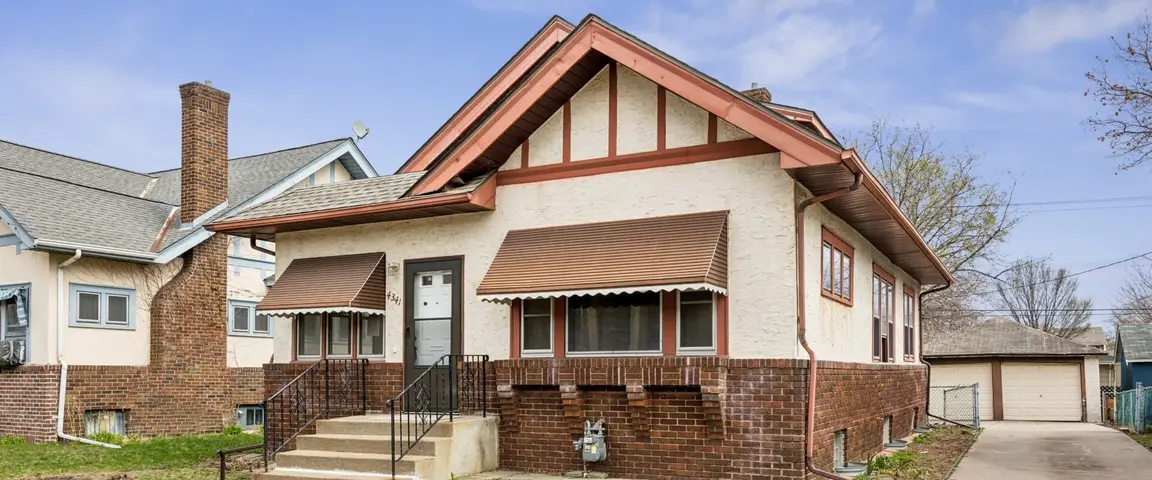

Six weeks on the market, two showings, and your agent stopped answering texts in September. I get that call most often from Minnesota home sellers, usually on a weekday afternoon. The caller tends to feel trapped by a piece of paper they skimmed at a kitchen table in Blaine or Rochester. A listing agreement is a real contract with real teeth. It’s also written and signed by people, and people cancel them more often than you’d guess.
What Does Signing a Listing Agreement Commit You To
Let me put this the way I would over coffee. You didn’t hire an agent, you hired a brokerage, and that one fact reshapes everything else about your listing agreement in Minnesota.
When you sign, you give a licensed real estate broker the exclusive right to market your property for a set stretch of time. You also agree to a price strategy, a commission structure, and duties that run in both directions. Minnesota law requires that agreement to be in writing and signed before the broker goes to work for you.
State law is specific about what goes in the document. Under Minnesota Statute 82.66, every listing agreement must include a definite expiration date and a clear statement on whether you can cancel it, and on what terms. Read that clause first. If it says cancellation takes written notice and the brokerage’s consent, that’s your roadmap.
Brokerages can’t lock you in forever, either. Minnesota bans holdover clauses and automatic extensions outright. It also caps override clauses at six months past expiration for residential property.
Last year a retired couple in Shoreview called me after moving her father into assisted living in Arden Hills. They’d signed a six-month contract on his rambler, then found forty years of fishing gear in the garage and a boat that hadn’t run since the nineties. They wanted out, and the agent wasn’t the problem; the timeline just didn’t match their lives anymore.
Who Owns the Listing: You, the Agent, or the Brokerage
Any seller who wants to walk away should care about this distinction. Your agreement belongs to the Minnesota brokerage, not the real estate agent whose face is on the sign. That agent is a licensee working under the broker’s license.
So asking your listing agent to tear up the contract usually means asking someone who can’t do it alone. Minnesota Statute 82.73 makes the broker responsible for the preparation, custody, safety, and accuracy of every real estate contract the firm handles. Cancellation authority lives at that level too.
Call the designated or managing broker at the firm, not the agent’s team lead or the office administrator. Firms in Minnesota vary a lot in how formally they handle this. A two-person shop in Brainerd works differently from a hundred-agent office in Edina with its own compliance staff.
The brokerage controls the MLS listing, the photos, the yard sign, and the marketing copy. Your property is yours, but the advertising built around it was produced under the brokerage’s license.
I’ll state a mild opinion. Minnesota sellers who go straight to the broker get faster answers nearly every time, and the awkward scene they dread rarely happens. Brokers field these requests far more often than their agents do.
Most Minnesota brokerages would rather release an unhappy seller than fight one. A contract held together by force tends to produce a bad sale, bad reviews, and a client who complains to everyone at the hockey rink.
What Should Happen Before You Sign a Listing Agreement in Minnesota
For years I told sellers to negotiate the commission hardest. I was wrong. The term length and the cancellation clause matter more than a quarter point of commission ever will. If you want to know who’s giving this advice, here’s more about our company and the Minnesota homeowners we work with.
Before you sign anything, ask for the cancellation policy in writing. Some Minnesota brokerages offer an unconditional release at any time. Others require thirty days’ notice, and some want marketing costs repaid. Push back on any listing agreement that doesn’t spell out a clear exit.
Negotiate the term too. Six months is a common length in Minnesota, but a ninety-day agreement with a renewal option gives you leverage and costs a good brokerage nothing. A broker who refuses a shorter term is telling you something about their confidence.
Market numbers help set expectations. Minnesota Realtors reported a Twin Cities metro median sales price of $395,000 in September 2026, with days on market up 9.1 percent to 48 days. Homes in the metro are taking longer to sell than they did a year ago.
Tell the agent your selling deadline. If you need to be out before the ground freezes, say so during the listing presentation and get the timeline written into the contract.
Ask about the override clause specifically. Minnesota brokers can’t enforce one unless they give you a protective list within 72 hours after the listing agreement expires. That list names the buyers who saw your home or showed interest in it during the listing. No list, no claim.
Why Sellers Want Out of a Listing Agreement
You sign with a friendly, organized agent who promises weekly updates and professional photos. Three weeks later the photos are phone snapshots, the updates have stopped, and your MLS description misspells your neighborhood.
In my experience, communication failures drive more cancellation requests than price disputes. I’ve watched sellers in Duluth and Mankato lose faith over something as small as unanswered requests for showing feedback.
Life changes, too. A job transfer to Fargo, a divorce filing in Hennepin County, an inherited property in Bemidji that three siblings can’t agree on. None of that is the agent’s fault, and none of it makes the contract less binding.
Then there’s pricing. An agent who won the listing with a number the market won’t support will eventually ask for a reduction, and sellers feel bait-and-switched. That’s a fair reaction. A price correction often fixes the real problem, though, so renegotiating can beat canceling.
Dual agency surprises sellers. When the same brokerage represents both sides, some Minnesota sellers decide they want separate representation and start looking for an exit.
A handful of sellers simply change their minds about selling. Grandma’s house in St. Cloud feels different once offers start coming, and the family decides to rent it instead.
Is a Slow Market a Valid Reason to Cancel a Listing Agreement
Slow markets are almost never a good reason to cancel a listing agreement, and firing your agent over one usually costs you money.
Look at the numbers across Minnesota. Minnesota Realtors put the statewide median sales price at $354,900 in September 2026, down 0.7 percent from a year earlier. A flat statewide market doesn’t mean your real estate agent failed. It means buyers have options.
Switching brokers to reset your days-on-market clock fools nobody. Buyers’ agents see the listing history and the relist. They do the math and come in lower because they smell motivation.
Adjusting price usually helps more. So does better access for showings, along with fixing items Minnesota inspectors often flag, like radon, grading, and an aging water heater. A listing agreement rarely fails because of the contract itself.
One real exception exists. If your broker is using a slow market as cover for doing nothing, that’s different. Zero open houses in eight weeks isn’t a market condition.
Price bands matter here. A $300,000 house in Coon Rapids and an $800,000 lake place near Lake Minnetonka live in different markets, and the lake property’s longer timeline is normal.
Give your listing agreement a fair run before you judge it. Then judge it honestly.
What Counts as Real Marketing Under a Listing Agreement
Most Minnesota sellers assume the law sets a baseline for effort. It doesn’t. Minnesota’s statute sets no minimum marketing standard, so no law requires a set number of open houses, photos, or ads.
Your listing agreement sets the standard instead. Read the agreement’s marketing section word for word. If it promises professional photography, MLS syndication, and a specific ad spend, those are contractual rights you can enforce.
Good marketing in Minnesota today starts with daylight photos taken when the yard isn’t buried in snow. It includes accurate MLS data, syndication to the major portals, and showing times that work around your schedule. Acreage gets drone shots. Video walkthroughs help out-of-state buyers relocating to the metro.
Document the gaps. Screenshot the MLS listing, save the dated photos, and keep the texts where you asked for a showing report and got silence. Evidence is what turns a complaint into an exit.
A pattern I keep seeing: sellers who build a one-page timeline of promises versus results get released far more often than sellers who call angry. Brokers respond to documentation.
Minnesota’s winter is a factor nobody schedules around. Listings launched in January often sit longer than May listings, and an agent who talked you into a December debut owes you a candid conversation.
Can You Cancel a Listing Agreement with a Broker in Minnesota
A seller in Woodbury signed a six-month contract in spring and asked out in week five. Her broker released her in four days with a signed termination form and no fee. If you’d rather skip a second listing, you can sell your house fast in Woodbury without signing another agreement.
So yes, you can cancel a listing agreement with a broker in Minnesota. The mechanism comes from your contract rather than a statute, since state law requires the cancellation terms to be written into the document. Your own agreement is the controlling authority.
In practice you’ll hit one of three paths. A mutual release means the brokerage signs a cancellation form and everyone walks away. A withdrawal pulls the property off the MLS, though the listing agreement technically survives until it expires. Termination for material breach means you argue the brokerage failed its obligations.
Withdrawal is the trap. Sellers think they’re free, sell privately, then get a commission demand six weeks later. If the contract still exists, so does the commission claim.
Insist on a signed, dated cancellation document that names the property and releases both parties. Verbal agreements with a listing broker can’t protect you. Get the broker’s signature, not only your agent’s.
Watch the override period after you cancel the agreement. A buyer introduced during the listing may still trigger a commission inside that window.
Some Minnesota brokerages ask you to repay hard marketing costs, usually photography and printed materials, in exchange for an early release. I think that’s a reasonable trade, and it’s usually cheaper than waiting out the term.
Can an Agent Cancel a Listing Agreement Without the Brokerage’s Approval
Two signatures. That’s what a valid termination usually needs in Minnesota: yours and the broker’s.
An individual real estate agent can’t cancel a listing agreement alone, because the contract runs between you and the licensed real estate broker. The agent works under the broker’s license and supervision. Your agent can recommend a release and walk the paperwork to the right desk. The signature that counts comes from the broker or a designated representative.
Your agent leaving the firm doesn’t end the agreement. The listing agreement typically stays with the brokerage, a new agent gets assigned, and you can ask for a different one. Plenty of Minnesota sellers in Eagan and Plymouth have ridden out an agent’s departure without losing a day of marketing.
Agents can often push the broker toward a release, too. An agent who wants out of a troubled listing becomes your best ally, since nobody at the brokerage wants a stale MLS entry dragging down the office numbers.
Some sellers outgrow the traditional listing route entirely. Once a listing agreement expires or a release is signed, I’ve bought homes from Minnesota sellers who needed a closing date more than a bidding war. K&G Investments handles those conversations without asking anyone to relist.
If the broker refuses outright and can’t point to a reason in the contract, that refusal becomes evidence too.
What Happens When You Try to Cancel a Listing Agreement Early
“Am I going to get sued?”
Almost never. Lawsuits over a canceled Minnesota listing are uncommon, since litigation can cost a brokerage more than the commission and draws publicity no firm wants. The risky move is canceling and then closing with a buyer the brokerage introduced.
Expect one of three outcomes. A clean release with no money changing hands is the most common. Next comes a negotiated repayment of marketing costs already spent. The least common is a flat refusal, which leaves you to wait out the term or escalate.
Escalation in Minnesota means the state regulator. The Minnesota Attorney General’s Home Sellers Handbook points sellers with agent complaints to the Minnesota Department of Commerce, which licenses real estate agents and investigates complaints. You can file a formal complaint through the department’s consumer complaint page.
A regulatory complaint doesn’t void your listing agreement. It can change how seriously a brokerage treats your release request, though.
Your credit isn’t affected. No lien lands on your Minnesota property from a commission dispute unless a lawsuit ends in a court judgment against you.
Expiration is the quietest exit of all. If you’re within sixty days of the end date, waiting usually beats fighting, and you can plan your next move while the clock runs down.
When Should You Call a Lawyer About a Listing Agreement Dispute
“I can’t afford an attorney over this.” Ask around anyway. Some Minnesota real estate attorneys will review a listing agreement for a flat fee, and one letter from a lawyer settles a surprising share of these disputes.
Call one if the brokerage threatens to record anything against your title. Call one if a commission demand shows up after you’ve closed with a buyer you found yourself. Minnesota real estate law gets technical fast in both situations.
A consultation also makes sense for any listing agreement with terms Minnesota prohibits. An automatic extension buried in paragraph fourteen of the contract means the drafter wasn’t careful, and that carelessness tends to show up elsewhere.
The Minnesota Department of Commerce handles license discipline, not money disputes between you and a broker. An attorney can tell you which kind of problem you’ve got.
A homeowner in Brooklyn Center reached me three months behind on his mortgage, with a sheriff’s sale date already set. His listing agreement was running on a house that hadn’t drawn an offer all winter. We worked through the contract first and got his brokerage to sign a release on a Thursday. After that, we built our offer around the sheriff’s sale calendar. His basement had standing water, and he’d been sleeping upstairs with a dehumidifier running since February. Owners in a similar spot can read how we buy houses in Brooklyn Center, Minnesota.
If your Minnesota listing agreement has turned into a trap and a deadline is closing in, talk to someone before that date arrives.
Frequently Asked Questions
Can I Back Out After Signing a Purchase Agreement on My Minnesota Home?
A signed purchase agreement is a binding contract, and backing out of it isn’t the same as canceling a listing agreement with your broker. Your options depend on the contingencies in the contract, such as inspection, financing, or sale-of-current-home clauses. Many Minnesota purchase agreements include cancellation provisions with specific notice rules. Read yours carefully and have a real estate attorney review it before you give the buyer notice.
What Happens to Earnest Money When a Buyer Walks Away?
It depends on why the buyer canceled. If they used a valid contingency before its deadline, the earnest money typically goes back to them. Your Minnesota listing agreement stays in force, and the property returns to the market. If they walked away with no contractual basis, you may have a claim to those funds. The title company or brokerage holding the deposit usually won’t release it without both parties’ written agreement or a court order.
Does My Listing Agreement Automatically End If My House Doesn’t Sell?
Yes. A listing agreement in Minnesota ends on its stated expiration date, and state law bars your broker from renewing it automatically. Only the override clause can survive expiration, and it covers buyers the brokerage already introduced to your property. Ask for the protective list when the term ends so you know exactly who’s on it.
Can I List My Minnesota Home with a New Broker Right After Canceling?
You can, as long as you have a signed release from the first brokerage and not just a withdrawn MLS entry. Relisting while an old listing agreement is still technically alive is how sellers end up owing two commissions on one sale. Show the new broker your cancellation paperwork before you sign anything, and ask them to confirm the prior override window has been accounted for.
Will Canceling a Listing Agreement Hurt My Chances of Selling Later?
Not meaningfully. Buyers’ agents across Minnesota see relisted properties constantly, and a fresh listing with better photos and a realistic price usually outperforms a stale one that sat all season. What hurts is relisting at the same price with the same marketing and hoping for a different result.
Do I Still Owe Commission If I Sell to a Family Member?
Under most exclusive-right-to-sell contracts in Minnesota, yes, the brokerage earns its fee no matter who finds the buyer. Some sellers negotiate a named exclusion into the listing agreement before signing, carving out specific people like a relative or a neighbor who already showed interest. That carve-out has to be in the document from the start. Asking for it after an offer arrives rarely works.
If you’re stuck in a contract you regret, or you’re already out and weighing what comes next, we’re glad to talk it through. There’s no pressure and no obligation. Sometimes the right answer is finishing the term with your current broker, and we’ll tell you if that’s true. When you’re ready, you can contact us and ask whatever’s on your mind.