
How To Sell A Fire Damaged House In Twin Cities: Is It Really Possible?
Going through a house fire and selling your property right after can be a real pain. But there are a few ways out of this. You can even sell a fire-damaged house without fixing a single thing.
There’s actually a whole market of buyers who want properties exactly like yours, and they’re not looking for move-in-ready homes. They want fixer-uppers they can renovate themselves, and they’ll pay cash for them.
Check out this whole guide to learn more about selling a fire-damaged house in the Twin Cities.
Types of Fire Damage: Structural, Smoke, and Water
Fire doesn’t just burn things. It creates three separate kinds of damage that can all give you a massive headache.

Structural Fire Damage
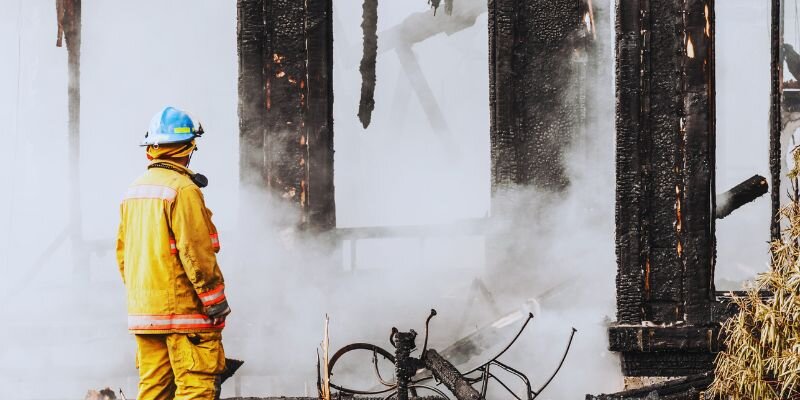
Flames chew through beams, collapse ceilings, and weaken walls until they’re not safe anymore. This is the kind of damage that makes your house look really bad and scares off anyone who needs a mortgage.
Banks won’t lend money on properties with structural issues, which means you’re basically selling to cash buyers only. Those buyers are used to this stuff, though, so they won’t get spooked by charred wood or damaged foundations the way regular homebuyers would.
Smoke and Soot Damage
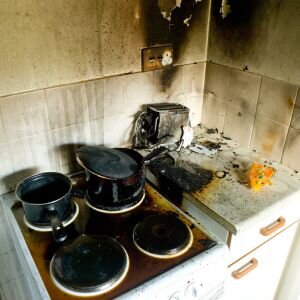
Smoke goes everywhere the fire didn’t. They sneak through vents and settle into every surface in your house. It leaves behind this greasy black film that stains everything and creates a smell that won’t go away, no matter how much you clean.
Your HVAC system probably pushed smoke into rooms the fire never even touched. If buyers walk in and smell it immediately, most of them leave after that.
Water Damage from Firefighting Efforts
Firefighters dumped tons of water on your house in Minneapolis, MN, and Saint Paul, MN, to put out the flames, and now that water is causing its own problems. Drywall gets soggy, floors warp, and mold starts growing within a day or two if things don’t dry out fast.
Water seeps into walls and insulation where you can’t see it, which makes the damage worse than it looks. A lot of times, this ends up costing more to repair than the actual fire damage.
How Does Fire Damage Affect Your Home’s Value
Your house lost a chunk of its value the second the fire started. How much depends on how bad things are, but even light damage knocks off at least 10% to 20%. For heavy structural damage with water problems throughout, you’re looking at losing half your home’s value or more.
Some houses end up being worth less than the land they’re sitting on. Most buyers need mortgages, and their lenders take one look at a fire-damaged property and say no. That cuts out the majority of people who might’ve been interested.
The buyers who remain want big discounts because they know what they’re signing up for. Location still counts, though. A burned house in a desirable Twin Cities neighborhood holds more value than the same damage in a less popular area.
Your Legal Obligations When Selling a Fire-Damaged House in the Twin Cities
You are required to disclose any fire damage to potential buyers. It’s important to be transparent, as failing to provide this information can lead to legal and financial consequences.
Minnesota Disclosure Requirements
You’ve got to fill out this Seller’s Property Disclosure Statement, and you need to spill everything about the fire. We know writing down all your house’s problems feels awful, like you’re trying to talk someone out of buying it. But if you leave stuff out or try to make the damage sound smaller than it is, the buyer can drag you to court later. And they will.
So just list it all: when the fire happened, what got destroyed, how far the smoke traveled, all that water sitting in your walls. It’s uncomfortable as hell being this honest, but it’s better than getting sued six months after closing because you “forgot” to mention the electrical damage.
Permits and Inspection Rules
Did you fix anything after the fire? Cool, but did you get permits? Because if you replaced wiring or fixed structural stuff without permits, that’s gonna bite you during the sale. Minnesota’s strict about this.
You can either go back and get permits now (fun times with the city) or tell buyers upfront that the work wasn’t permitted and watch your offers tank. Neither choice is great, but at least you won’t have the sale fall apart when the title company finds out. And they always find out.
How to Assess Your Fire-Damaged Property Before Selling
You can’t just eyeball your house in Minneapolis, MN, and Saint Paul, MN, and guess what’s wrong with it. You need actual professionals to tell you the real story, because what you see on the surface is probably not the whole problem.

Get a Professional Damage Assessment
Call a structural engineer or a restoration company and have them go through everything. They’ll tell you what’s actually dangerous versus what just looks sketchy. That wall that seems fine might be damaged behind it; you just can’t see. Or your foundation could be compromised in ways that aren’t obvious until someone who knows what they’re looking for checks it out.
The report costs money, but it stops you from getting ambushed later when a buyer’s inspector finds major problems you had no idea about. Plus, you can hand it to potential buyers, which makes the whole thing less weird.
Understand Your Insurance Settlement
Whatever insurance paid you is gonna affect how you sell this thing. If they covered most of it, you’ve got some wiggle room. If they didn’t cover much or you already maxed out your policy, well, that shortfall is coming out of your end, no matter what.
Some people use the insurance money to fix stuff before selling. Meanwhile, others just pocket it and sell the house trashed for whatever they can get. Both work fine. It just depends on what makes sense for you.
Just know what insurance actually paid for versus what they left you hanging on, because buyers are gonna ask about it.
Determine Repair Costs vs. Current Market Value
Get a few contractors to come out and tell you what it would cost to fix everything. Then figure out what your house in Minneapolis, MN and Saint Paul, MN would actually be worth after all that work. Sometimes it makes sense. But a lot of times, you’d spend like $70,000 fixing everything just to sell it for $40,000 more than you’d get right now as-is. That’s a horrible investment.
And while contractors are in there for three months, you’re still paying your mortgage, property taxes, insurance, and utilities. All of that can balloon.
When you actually do the math, selling it damaged for way less money often puts more cash in your hand. This is because you’re not bleeding thousands every month waiting for repairs to finish. If you have questions on how to sell your fire-damaged house, check out our process on how we buy a house.
Your Main Options When Selling a Fire-Damaged Home in the Twin Cities
There are three ways to sell your fire-damaged house. Each one works differently depending on how much time and money you want to put into this.
Option 1: Repair and Sell on the Traditional Market
This is the route where you fix everything, or at least enough to make the house livable. Then, you list it like a normal home sale.
You’ll get the highest price this way because regular buyers with mortgages can actually qualify for loans on a fixed-up house in Minneapolis, MN, and Saint Paul, MN. But it’s also the biggest pain in the ass.
You’re looking at months of construction and dealing with contractors who show up late or not at all. You’re also going to spend tens of thousands of dollars upfront and still pay all your bills while the house sits there being renovated.
After all that, there’s no guarantee you’ll even make back what you spent on repairs. This option makes sense if the damage is minor, you’ve got cash to cover repairs, and you’re not in a rush to sell.
Option 2: Selling Your House As-Is
This means you list the house in Minneapolis, MN, and Saint Paul, MN, exactly how it sits right now. You don’t fix those burned walls, the smoke smell, water damage, everything.
Buyers who come looking at as-is properties know what they’re getting into. However, as we’ve mentioned, your buyer pool shrinks a lot because most people can’t get mortgages for damaged houses.
You’ll get way less money than if you repaired it, but you also skip the whole nightmare of managing contractors and fronting repair costs. You can list it with a real estate agent who has experience selling distressed properties, or you can try selling it yourself.
Either way, be ready for low offers because buyers are calculating repair costs into what they’re willing to pay.
Option 3: Working With Investors or Cash Buyers
Cash buyers and real estate investors buy fire-damaged houses all the time. It’s literally what they do. They’ll come look at your place and make you an offer within a few days. They close fast, sometimes in a week or two.
The offer will be lower than what you’d get on the traditional market, but you’re trading that money for speed and convenience. You don’t fix anything and you don’t deal with showings or open houses. You just sign papers and move on.
This works really well if you need to sell quickly or when you don’t have money for repairs.
How To Sell A Fire-Damaged House in Twin Cities: Step-by-Step Process
Selling a fire-damaged house isn’t like a normal home sale. Here’s how it works from start to finish.
Step 1: Secure the Property and Document Everything
First thing, make sure your house is secured so nobody breaks in or gets hurt. Board up broken windows, lock doors, and put up no trespassing signs if you need to. Then grab your phone and take pictures and videos of everything. Every burned wall, every water stain, every piece of damage you can see.
Take way more photos than you think you need because you’ll want these for insurance, for buyers, and for your records. Write down what happened, too. When the fire started, how long it burned, and what the fire department did.
This documentation protects you later and gives buyers a clear picture of what they’re dealing with.
Step 2: Contact Your Insurance Company
Call your insurance company immediately if you haven’t already. File your claim and get an adjuster out there as fast as possible. Don’t start major repairs before the adjuster sees the damage, or you might screw up your claim.
The adjuster will assess everything and tell you what’s covered and what’s not. Keep every receipt for anything you spend related to the fire, including temporary housing, emergency repairs, all of it.
Insurance claims take forever sometimes, so stay on top of them. Bug them if you need to. That settlement money affects every decision you make about selling.
Step 3: Get a Professional Assessment
Hire someone who actually knows what they’re doing to evaluate your house. A structural engineer or fire restoration specialist can tell you what’s really wrong versus what just looks bad. They’ll check your foundation, your framing, your electrical system, everything.
You need this information to price your house correctly and to show buyers you’re being upfront about the damage. Some problems aren’t visible (like compromised structural supports or hidden water damage), and a professional assessment catches that stuff before it becomes your problem during negotiations.
Step 4: Decide on Repairs or Selling As-Is
This is the big decision. Look at your contractor estimates and at what your house would sell for after repairs. Then do the actual math. Factor in how long repairs would take and what you’d pay in mortgage and bills during that time. If the numbers don’t work out, don’t force it.
Selling as-is might get you less money per square foot, but it could put more actual cash in your pocket at the end. Think about your timeline, too.
If you need to move for a job or you just can’t deal with months of construction, selling as-is makes way more sense than dragging this out.
Step 5: Determine Your Asking Price
Pricing a fire-damaged house is difficult because there aren’t a lot of comparable sales to look at. Start with what your house would’ve been worth before the fire, then subtract estimated repair costs and add a discount because buyers are taking on risk and hassle.
You can hire an appraiser who specializes in damaged properties or get opinions from a few real estate investors to see what they’d pay. Don’t overprice it, hoping someone will fall in love with the potential.
Damaged houses sit on the market forever when they’re overpriced. Price it fairly for the condition it’s in, and you’ll get offers faster.
Step 6: Choose Your Selling Method
You can list with a real estate agent who knows how to market distressed properties, just make sure they’ve actually sold fire-damaged houses before.
You can try selling it yourself to save on commission, but be ready for a lot of tire-kickers and people who waste your time. Or you can skip the whole listing process and sell directly to a cash buyer or investor.
Each method has tradeoffs between the price you’ll get and how fast you’ll close. Pick whatever matches your priorities.
Step 7: Market Your Fire-Damaged Property
If you’re listing the house, be super honest in your marketing. Don’t try to hide the damage with clever photo angles or vague descriptions. Say exactly what happened and what condition the house is in.
You want to attract buyers who are specifically looking for fixer-uppers or investment properties, not trick regular homebuyers into wasting their time.
Good photos that clearly show the damage actually help because serious buyers appreciate transparency. Market to investors, flippers, and people looking for as-is properties because they’re your real audience.
Step 8: Negotiate and Close the Sale
When offers come in, expect buyers to ask for inspections and probably try to negotiate the price down after they see the full extent of damage. That’s normal with fire-damaged properties.
Be ready to answer questions about what caused the fire, what’s been done since, and what insurance covered. If you’re selling to a cash buyer, the process moves way faster; sometimes, you can close in two weeks.
If it’s a traditional sale with an investor getting financing, expect 30 to 45 days. Either way, once you accept an offer and get through inspections, you’re pretty much done. Sign the papers and finally put this whole mess behind you.
How to Price Your Fire-Damaged House Correctly
Pricing a fire-damaged house is honestly one of the hardest parts because you can’t just look at what your neighbor’s nice house sold for. You should start with what your house would’ve been worth before the fire, then subtract the repair costs from your contractor’s estimates. You should also knock off another chunk because buyers want a deal for taking on a project.
Don’t price too high because you’re emotionally attached to what you think the house should be worth. Buyers shopping for fire-damaged houses have seen plenty of other burned properties. If your price doesn’t match reality, they’ll just move on to the next one.
You can hire an appraiser who specializes in distressed properties or talk to a few investors to see what they’d actually pay. Real estate agents who’ve sold damaged houses can also give you a realistic number. If you’re searching for a reliable company that buys homes in St. Paul, MN, give us a call at (612) 400-8070 for a no-obligation offer.
What Happens to Your Mortgage After a Fire?
Your mortgage doesn’t disappear just because your house burned down. You are still responsible for the loan, even if the home is no longer livable. As trusted cash home buyers in Minneapolis, MN, we often remind homeowners that the bank won’t hesitate to move forward with foreclosure if payments stop, so continuing your monthly mortgage payments is critical.
Some homeowners assume they can walk away after a fire, but that’s not how it works. If you do, your credit will take a major hit, and you’ll still lose the property. Insurance funds may help if your policy covers the structure, but you must keep paying the mortgage while you sell, or the situation can quickly get much worse.
Make sure you contact your lender and explain the damage. Many lenders offer temporary forbearance or payment adjustments to help you get through the aftermath. Ignoring them will only create more problems. Once the property sells, the mortgage is paid off from the sale proceeds, and anything remaining goes to you.
Is Keeping and Repairing Ever Worth It?
Keeping and repairing the house makes sense sometimes, but you’ve got to be realistic about it.
If the damage is mostly cosmetic, like smoke in a few rooms or some burned drywall, and insurance is covering repairs, rebuilding might work out fine. This way, you keep your neighborhood and your mortgage rate. You don’t have to deal with moving and buying another house right now.
But major fire damage costs a fortune and takes forever to fix right. You’re looking at months of construction and living somewhere else. You also have to deal with contractors missing deadlines and costs that always run higher than estimates.
If repairs are gonna cost $100,000 or more, think hard about whether you really want to stay in this house long-term. You won’t recoup that money unless you live there for years after the work’s done.
And some people just can’t get past what happened. Every time they look at the walls, they remember the fire. If that’s you, selling and starting fresh might actually be the better move, even if it feels like giving up.
Frequently Asked Questions
Can I sell my house if insurance hasn’t paid out yet?
Yes, you can sell before your insurance claim settles, but it can be complicated. You’ll need to let potential buyers know there’s an open claim. Plus, depending on your policy, you might have to assign the insurance payout to the buyer or work out who gets what money. Some cash buyers are fine with this and will work with you on it. Just be upfront about where things stand with insurance so there aren’t any surprises during closing.
Do I have to disclose the fire damage to buyers?
Yes. Minnesota law requires you to disclose the fire and all the damage it caused. Even if you repaired everything and the house looks perfect now, you still have to tell buyers there was a fire. Trying to hide it is illegal, and the buyer can sue you after closing when they find out. Just put it all in the disclosure statement and save yourself the legal headache.
How long does it take to sell a fire-damaged house?
Depends on how you sell it. If you list it traditionally as-is, it could sit for months because your buyer pool is small. If you fix it up first and then list it, you’re looking at repair time plus however long it takes to sell. That’s probably four to six months total. Cash buyers are the fastest option. You can close in one to three weeks once you accept an offer.
Will buyers expect me to make repairs before selling?
Traditional buyers might ask for repairs as part of negotiations. But if you’re selling as-is, that’s literally the whole point. You’re not making repairs and the price reflects that. Cash buyers and investors never expect repairs because they’re buying it specifically to renovate themselves. Just make it clear in your listing or conversations that you’re selling in the current condition.
What if my house is a total loss?
Even if the house is completely destroyed, you can still sell the property. The land still has value and some buyers want to tear down what’s left and rebuild. You might also have buyers interested in salvaging materials or flipping the lot. Total loss properties usually sell to developers or investors. You’re mostly selling the land at that point, but it’s still worth something.
Can I sell if I still owe money on my mortgage?
You can sell even if you still have a mortgage, but the payoff amount has to come out of the sale proceeds. If your house is worth less than what you owe after the fire damage, that’s called being underwater. You might need to bring money to closing to cover the difference or you could look into a short sale where the bank agrees to accept less than what you owe. Talk to your lender about your options if you’re in this situation.
Key Takeaways: How To Sell A Fire-Damaged House In the Twin Cities
Fire damage tanks your home’s value, but it doesn’t mean you’re stuck with it forever or forced to spend months fixing everything. The smartest move is figuring out whether repairs actually make financial sense or if selling as-is puts more money in your pocket when you factor in holding costs. Most sellers are surprised to learn there’s a whole market of cash buyers who specifically want fire-damaged properties and will close in weeks, not months.
If dealing with contractors and traditional buyers sounds exhausting, K&G Investments buys fire-damaged houses throughout the Twin Cities, exactly as they are. We’ll give you a fair cash offer and you don’t have to fix or clean anything. Call us at (612) 400-8070 to see what we can offer for your property!
Helpful Twin Cities Blog Articles
- Selling a Probate House in the Twin Cities Made Simple and Stress-Free
- How To Sell Your House In The Twin Cities When Behind On Mortgage Payments
- How To Minimize Closing Costs In Twin Cities Real Estate Transactions
- Understanding FSBO Costs For Home Sellers In The Twin Cities Real Estate Market
- Real Estate Facts About The Twin Cities Housing Market
- How To Sell A Fire-Damaged House In The Twin Cities
- Selling a House with Delinquent Property Taxes in the Twin Cities

Sell Fire Damaged House in Twin Cities
We are direct home buyers specializing in fire-damaged houses in the Twin Cities. No commissions, no fees, and no obligations. Start below by sharing the property location and where we can send your no-pressure cash offer.