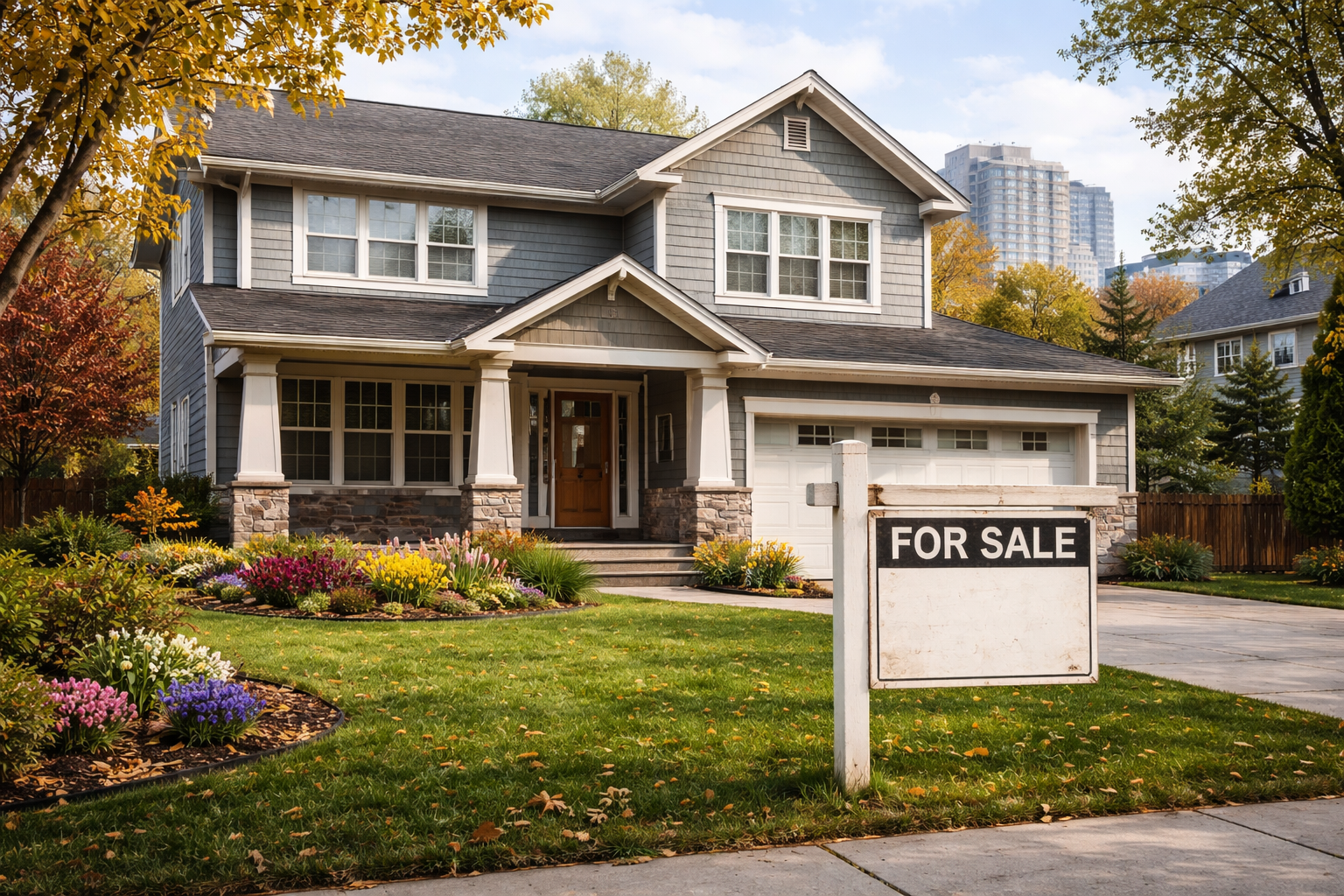

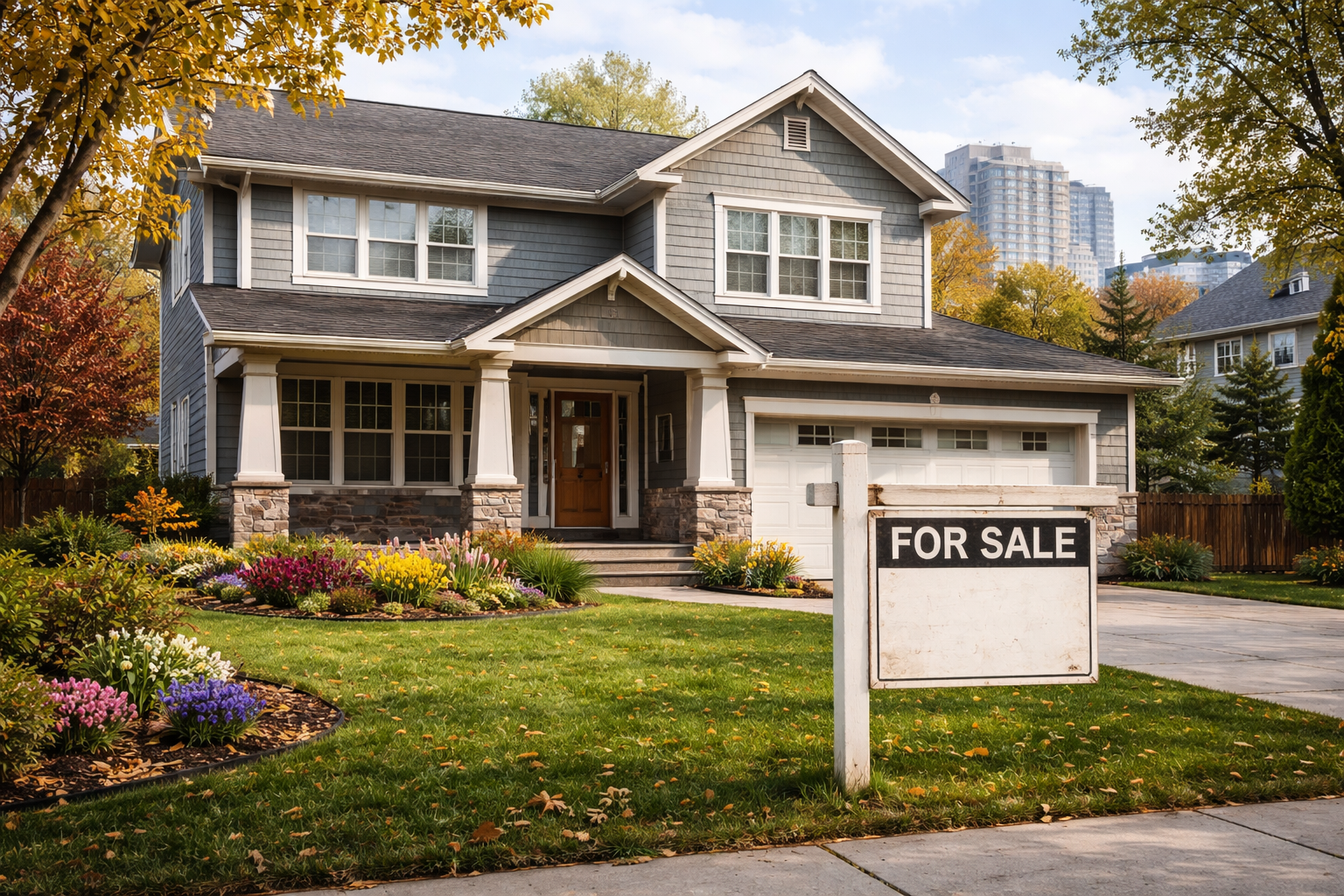
Selling a home in Minneapolis can be a complex and emotional journey. While some homes sell quickly, others end up sitting on the market far longer than anticipated. Understanding what happens when a house sits too long on the market can help homeowners make informed decisions and avoid costly mistakes. Making your property more attractive to buyers is crucial for a faster sale.
One of the most common reasons homes sit on the market is improper pricing. If a home is not priced correctly from the start, it can deter potential buyers and lead to extended listing times.
When a property remains unsold for an extended period, homes staying on the market can become a red flag for buyers, signaling potential issues or concerns. In this article, we’ll explore the key consequences of extended market time and provide guidance for homeowners looking to sell their property efficiently and successfully.
How Extended Market Time Affects Potential Buyers’ Perception
One of the most immediate consequences of a house sitting too long on the market is the impact on how potential buyers perceive the property. In Minneapolis, like many other cities, buyers often associate a long listing period with problems. They may assume there are hidden issues, such as structural defects, outdated systems, or ongoing maintenance problems. However, a long time on the market doesn’t necessarily mean there is something wrong with the property. Even if the home is in excellent condition, the perception of risk can make buyers hesitant, leading to fewer showings and offers.
Buyers are generally cautious and want to feel confident in their purchase. If a property has been listed for months without significant activity, buyers may wonder why it hasn’t sold. This can create an automatic disadvantage, where the home is perceived as less desirable compared to other properties on the market. The misconception is that there must be something wrong with the house, but that’s not always the case. Sometimes, a property can reach a point where it has been on the market so long that buyers become skeptical, even if the only issue is timing or pricing strategy. The longer a house sits, the more skepticism grows, and sellers may find themselves facing lower offers than they initially expected. Collecting feedback from showings can provide valuable insights into why a home is not selling.
Financial Implications of a Home That Doesn’t Sell
Beyond perception, a house sitting too long on the market can have real financial consequences. Carrying costs, such as mortgage payments, property taxes, insurance, and utility bills, continue to accrue with every month the home remains unsold. In Minneapolis, property taxes and winter heating costs can be significant, adding strain to homeowners who are already investing in maintenance and upkeep.
Additionally, a prolonged market presence often necessitates price reductions to attract buyers. Initial pricing strategies may need to be adjusted downward, sometimes multiple times, in order to generate interest. These reductions can ultimately result in a lower net profit for the seller. Even a small decrease in listing price can translate to thousands of dollars lost, particularly in competitive areas where pricing is critical to attracting buyers.
Market Stagnation and Emotional Stress
Selling a home can be a stressful process, and prolonged market time amplifies that stress. Family dynamics, such as inheritance, disputes among relatives, or life stage changes, can contribute to a property lingering on the market and increase emotional stress for everyone involved. Homeowners watching their property remain unsold often feel frustration and disappointment. The uncertainty of when or if the house will sell can affect daily life, especially for those who have already made plans to move or relocate.
Extended market time can also cause sellers to question their decisions. When a property lingers, doubts about pricing, marketing, and even the choice to sell may arise, creating hesitation that further delays the process. In Minneapolis, where winters can be harsh, prolonged listings during less active months can exacerbate emotional strain. Understanding the psychological toll of a house sitting too long on the market is important, as stress can influence the decisions sellers make and the offers they accept.
Addressing necessary repairs before listing a home can prevent issues during inspections and help reduce stress for sellers.
Increased Competition from New Listings
Another consequence of a home lingering on the market is the effect of increased competition. New properties enter the Minneapolis real estate market regularly, often offering modern features, updated finishes, or more appealing locations. Buyers comparing multiple homes may prioritize newer listings, leaving older or stagnant properties behind. Applying fresh paint to the exterior or front door can help your home compete with these new listings by creating a more inviting first impression.
Homes that remain on the market for too long may appear less appealing compared to these fresh listings. In many cases, buyers assume a long-standing property is less competitive, even if the home is objectively desirable. Investing in landscaping can also enhance your home’s exterior and create a welcoming atmosphere for potential buyers. Sellers must recognize that time on the market works against them, and without proactive marketing or price adjustments, their property can become overshadowed by newer listings.
How Seasonal Factors Impact Market Duration
In Minneapolis, seasonal trends and current market conditions—such as whether it is a buyer’s market or a seller’s market—also play a role in how long a house stays on the market. Typically, spring and summer are the busiest seasons for home sales, while winter can slow activity significantly. In a buyer’s market, where there is higher inventory and supply than demand, homes tend to stay on the market longer. Homes listed during slower months may experience extended market time due to lower buyer traffic, which can contribute to the negative perception of a stagnant listing. In contrast, in a seller’s market, demand exceeds supply, often resulting in quicker sales and less time on the market.
Weather conditions, local school schedules, and community events all influence when buyers are most active. Sellers should be aware that timing and whether it is a buyer’s or seller’s market can have a substantial impact on the market duration and adjust expectations and strategies accordingly. Understanding how seasons and market conditions affect home sales in Minneapolis can help homeowners minimize the risks associated with a house sitting too long on the market.
Maintenance and Condition Concerns Over Time
As a home sits on the market, maintaining its condition becomes increasingly important. The home’s condition plays a critical role in attracting buyers, as properties that remain unsold for months can develop visible wear and tear, especially if ongoing maintenance is neglected. Issues such as peeling paint, landscaping deterioration, or minor repairs left unattended can worsen, further discouraging potential buyers. Making necessary repairs before listing can prevent issues during inspections and make the home more appealing to buyers.
Buyers are often less willing to overlook maintenance concerns when a property has been on the market for an extended period. Even minor issues can reinforce the perception that the home has been poorly cared for, which can result in lower offers or delayed interest. Sellers should prioritize upkeep and consider small improvements to maintain the home’s appeal throughout the listing period. Removing personal items helps buyers envision themselves in the space, while decluttering and staging the home can create a more spacious and inviting environment that appeals to buyers.
Factors Contributing to Delayed Sales
When a house sits on the market longer than expected, it’s often due to a combination of factors that can be addressed with the right approach. One of the most common reasons is inaccurate pricing. Setting an asking price that doesn’t reflect the current market conditions can immediately turn away potential buyers. Emotional attachment to the home or a lack of up-to-date market knowledge can lead sellers to overprice their property, making it less competitive and causing it to linger on the market. A skilled real estate agent can provide a thorough market analysis, helping sellers determine a fair price that attracts more interest and ensures the best price for their specific situation.
Presentation is another key factor in selling a home quickly. First impressions matter, and curb appeal can make a significant difference. Simple updates like a fresh coat of paint, well-maintained landscaping, and a welcoming front door can instantly boost a property’s attractiveness. Inside, decluttering and depersonalizing the space allows buyers to envision themselves living there. High quality photos are essential for online listings, as most buyers begin their search on the internet. Professional photographers know how to highlight a home’s unique features, creating maximum exposure and drawing in the right buyer.
An effective marketing strategy is also crucial. A knowledgeable real estate agent will develop a comprehensive plan that includes online listings, social media promotion, open houses, and targeted advertising. This approach ensures the property reaches the widest possible audience and generates more interest from serious buyers. Staging the home and highlighting its best features can further set it apart from the competition.
Understanding current market conditions is vital for sellers. In a buyer’s market, where inventory is high and demand is lower, sellers may need to be flexible with their asking price or offer incentives such as covering closing costs or providing a home warranty to make their property stand out. In a seller’s market, where demand outpaces supply, sellers may have more negotiating power and can often secure a higher price. Consulting with a real estate attorney can help navigate any legal issues that arise during negotiations, ensuring a smooth and successful sale.
Ultimately, the key to avoiding a house sitting too long on the market is a combination of accurate pricing, strong presentation, and a strategic marketing plan. By working with experienced real estate professionals and staying informed about current market trends, sellers can increase their chances of attracting the right buyer, selling their home quickly, and achieving the best possible outcome. The right approach from the get go can make a big difference in both the speed of the sale and the final sale price.
Strategies to Avoid Extended Market Time
When selling a home, sellers often spend significant time and effort on traditional selling methods, which can lead to delays if not managed strategically. Pricing a home at its fair market value is crucial—homes priced just below fair market value tend to yield the greatest dollar amount relative to the asking price. High-quality photos in online listings and professional photography can help ensure a home sells faster by capturing its best features and attracting more interest and showings. High-quality online listings with appealing photos and descriptions are essential for drawing in potential buyers. Offering buyer incentives, such as covering closing costs or including appliances, can make a listing more appealing. Utilizing social media platforms to promote the listing can help reach a wider audience and generate additional interest. Monitoring feedback from showings provides valuable insights into whether the price is right, and being open to negotiations with reasonable expectations is essential for a speedy sale. Enhancing curb appeal is vital, as it forms the first impression for buyers.
Hosting an open house is an effective marketing strategy to attract potential buyers, generate interest, and facilitate the selling process. Preparation, promotion, and follow-up are key to a successful open house. Working with a skilled agent who understands the Minneapolis market can ensure competitive pricing, effective marketing, and expert negotiation to achieve the best possible outcome.
While a home sits on the market, sellers must continue to pay for mortgage, utilities, and maintenance, which can add financial strain. To avoid a stagnant listing, it’s important to time the deal strategically and make price adjustments if necessary. Effective strategies, such as those mentioned above, can help sellers net more money from the sale. For sellers facing prolonged listings, alternative options such as selling to cash buyers may provide a solution. Cash buyers can purchase homes quickly and as-is, eliminating the stress of price reductions, multiple showings, or months of uncertainty. This can be particularly beneficial for Minneapolis homeowners looking to move quickly, downsize, or avoid costly maintenance while waiting for traditional buyers.
Understanding the Long-Term Impact
Extended market time doesn’t just affect the immediate sale. It can directly impact the amount of money a seller ultimately receives, as homes that linger on the market often sell for less. This can influence a seller’s future real estate decisions. Homes that sell after months on the market may set a lower precedent for future pricing, impacting local market expectations and personal investment returns. The longer a house sits, the more it may affect a seller’s perception of what is possible in future transactions.
The first thing homeowners in Minneapolis should do is understand these consequences to make more strategic decisions. Recognizing the financial, emotional, and practical impacts of a prolonged listing helps sellers take action early, whether by adjusting pricing, improving marketing, or exploring alternative sale options.
Conclusion
A house sitting too long on the market can have wide-ranging effects, from financial losses to emotional stress and buyer skepticism. Minneapolis homeowners need to understand these consequences in order to make informed decisions about selling their property. Accurate pricing, proactive marketing, and diligent maintenance are key strategies for minimizing time on the market. For those seeking a faster, more certain sale, options such as cash buyers can provide a practical solution while reducing the risks associated with prolonged listings.
Being aware of how extended market time affects buyer perception, competition, and overall sale outcomes ensures that homeowners approach the selling process with confidence. Taking decisive action can make the difference between a swift, successful sale and months of uncertainty and frustration. By staying informed and proactive, Minneapolis sellers can avoid the pitfalls of a house sitting too long on the market and achieve their home-selling goals efficiently.
Helpful St. Paul Blog Articles
- Can Heir Property Be Sold in St. Paul, MN
- How Long After an Appraisal Can You Close in St. Paul, MN
- How to Sell a House in Bankruptcy in St. Paul, MN
- Selling My Parents’ House in St Paul, MN
- Sale Of A Rental Property in St. Paul, MN
- Selling A House With Termite Damage in St. Paul, MN
- Selling A House To A Family Member in St. Paul, MN
- Sell a House in St. Paul, MN, When Relocating
- Selling Home with Reverse Mortgage in Saint Paul, MN
- Selling Your House to a Relocation Company in Saint Paul, MN
- Can an Estate Administrator Sell Property in Saint Paul, MN
- How to Sell a House When You Are Behind on Payments in St. Paul, MN