![cash home buyers [market_city]](https://image-cdn.carrot.com/uploads/sites/79317/2024/07/Home-Buyers-1920x800.jpg)

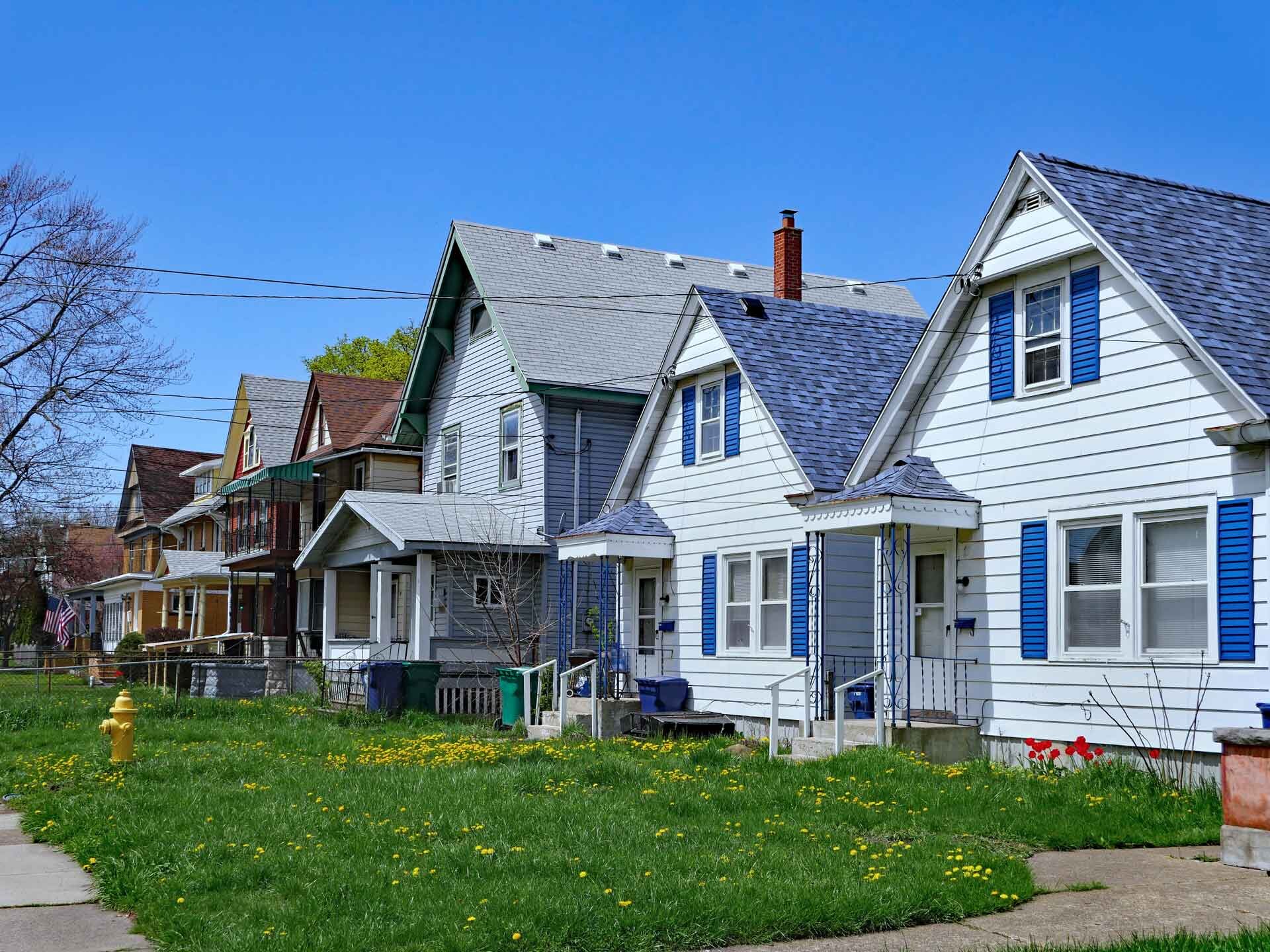
Can I live in the probate house while it’s being sold
In Twin Cities
★ No Realtors ★ No Fees ★ No Repairs ★
Sell Probate House in Twin Cities
We are direct home buyers specializing in probate properties in the Twin Cities. No commissions, no fees, and no obligations. Start below by sharing the property location and where we can send your offer.
Can I live in the probate house in Twin Cities while it’s being sold?
If you’ve recently inherited an estate property, you may be wondering: can I live in a house during probate? The short answer is yes — if you’re the estate personal representative and one of the heirs. However, there are legal intricacies, financial obligations, and ongoing expenses that come with occupying the property while the probate process unfolds.
The short answer? Yes, in most cases, you can.
But — and this is a big but — living in a probate property comes with responsibilities, potential family conflict, and legal rules you don’t want to ignore.
Let’s break down so you can understand your occupancy rights, responsibilities, and how living in the house affects the probate proceedings.
What Is Probate and Why Housing Rules Matter
Living in a Probate House in the Twin Cities – What Is Probate and Why It Matters
Probate is a legal procedure where a deceased person’s estate is managed and their assets — including property owned, bank accounts, and personal items — are properly transferred to heirs or named beneficiaries.
During probate, the estate executor or estate representative is responsible for settling debts, paying estate taxes and property taxes, maintaining the property, and distributing assets according to the deceased’s wishes or the state’s intestacy laws.
You cannot sell the property until the court appoints you as the estate personal representative and gives court approval. This ensures that outstanding debts, mortgage payments, and other expenses are properly handled before the remaining assets are distributed.
That distinction matters because:
- Other heirs may have legal claims to the property
- You don’t automatically have ownership rights
- The court oversees how estate assets are used
Minnesota courts expect probate assets, including the house, to be handled in a way that’s fair to everyone involved. Living in the property is allowed in many situations, but only if it doesn’t harm the estate or other heirs.
Understanding the Probate Process
The probate process is the legal process through which a deceased person’s estate is administered, debts are paid, and remaining assets are distributed to potential heirs. When someone passes away, a court appoints an executor or administrator to handle the estate, manage the house during probate, and oversee property upkeep.
In most states, including New Mexico, state laws determine how property is transferred and what steps are necessary to comply with probate law. A comprehensive estate plan can reduce confusion, prevent legal complications, and ensure the deceased’s wishes are followed.
Occupying a House During Probate
You are often legally allowed to live in a house during probate if you are an executor or administrator and one of the heirs. However, the estate executor or estate representative must ensure all ongoing expenses are paid, including mortgage payments, utility bills, property taxes, and insurance. This responsibility is part of your fiduciary duty to protect the deceased person’s assets.
Important considerations for heirs living in the home during probate:
Joint tenancy or multiple heirs may complicate the living situation.
You must maintain open communication to avoid disputes.
Property must be kept in good condition to preserve full ownership value.
Eviction proceedings may be necessary if tenants are involved under existing lease agreements.
If you’re the only child, you may have sole responsibility but also greater flexibility.
Can You Live in a Probate House While It’s Being Sold in Twin Cities?
Probate Property Occupancy in Minneapolis and Saint Paul
Yes — you can usually live in the probate house if:
- You are the personal representative (executor)
- You are responsible for maintaining the property and covering maintenance costs, utility bills, homeowner’s insurance, and other property-related expenses.
- You are also an heir
- If other heirs want to live in the house, your living arrangements must follow legal guidance and may require alternative living arrangements to avoid disputes.
- The will does not prohibit occupancy
- The estate representative must ensure that the property is in good standing and does not deteriorate, since any damage could reduce the remaining funds for heirs.
- Depending on specific circumstances, the court may allow you to collect rent from tenants under existing lease agreements to cover outstanding debts.
- Other heirs agree, or at least don’t object
However, living there is not free and it’s not automatic.
The court expects anyone living in the probate house to act in the estate’s best interest, not their own.
Who Is Allowed to Live in the Probate Property?
Occupying a Probate Home in the Twin Cities
Here’s how it usually shakes out:
Personal Representative + Heir
This is the cleanest scenario. Courts typically allow this as long as you maintain the property and cover expenses.
Heir but Not Personal Representative
You may still be allowed to live there, but only with permission from the personal representative and, ideally, written agreement from other heirs.
Non-Heir Family Members
This gets risky. Letting someone live in the house who has no inheritance rights can create legal and financial problems for the estate.
Multiple Heirs Wanting to Live There
This is where probate gets messy fast.
What Expenses Are You Responsible for If You Live There?
Costs of Living in a Probate House – If you’re living in the probate property in Minneapolis, MN, or Saint Paul, MN, you’re on the hook for all carrying costs, including:
- Minor repairs
- Utilities (gas, electric, water, trash)
- Property insurance
- Property taxes
- Routine maintenance
- Lawn care and snow removal
If you’re not paying these expenses and the estate is covering them instead, other heirs can object, claiming you’re benefiting unfairly.
In some cases, courts may require you to pay rent to the estate, especially if the property could otherwise be rented or sold quickly.
Can Living There Delay the Sale?
Probate Sale Delays in the Twin Cities – Yes — living in the house can absolutely slow things down.
Here’s how:
- Family disputes increase when one heir has possession
- Buyers prefer vacant homes
- Showings are harder when someone occupies the property
- Repairs and staging get delayed
If the goal is to sell quickly, occupancy often works against you — especially in traditional real estate sales.
What Happens If Other Heirs Don’t Agree?
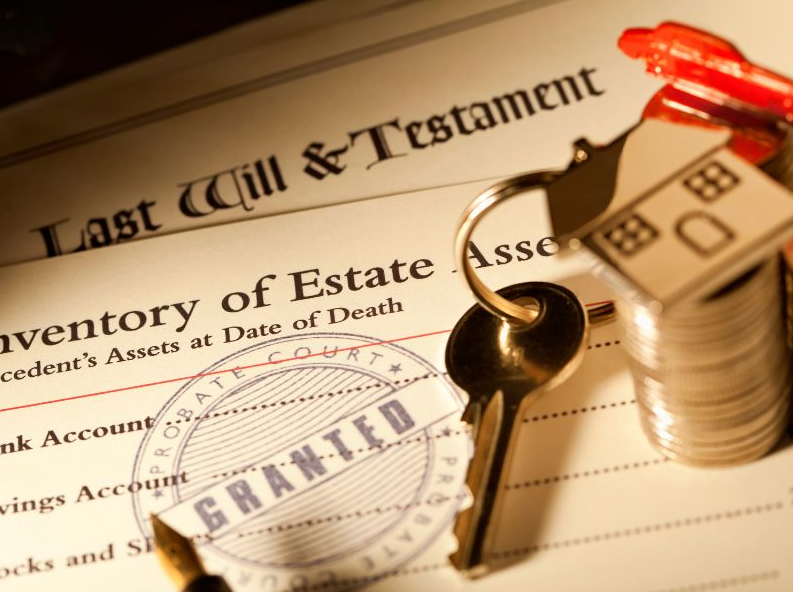
Family Disputes Over Probate Housing
This is one of the most common probate conflicts.
One heir moves in “temporarily,” months go by, and suddenly:
- Other heirs want compensation
- Someone claims you’re blocking the sale
- Accusations of misuse of estate assets start flying
If multiple heirs are fighting over who gets to live in the house, it’s time to involve a probate attorney. Courts do not look kindly on personal representatives who create conflict or appear to favor themselves.
In extreme cases, the court can:
- Force an immediate sale
- Order the house vacated
- Remove you as personal representative
Can You Live There Rent-Free?
Rent Rules for Probate Homes in Minnesota
Sometimes — but it’s risky.
Living rent-free is usually allowed only when:
- All heirs consent in writing
- The will explicitly allows it
- The stay is short-term
- You’re covering all expenses
If any heir objects, you may be required to:
- Pay fair market rent
- Credit rent against your inheritance
- Move out entirely
Always document agreements in writing. Verbal understandings are probate disasters waiting to happen.
Timeline: How Living in the House Affects Probate
How Long Probate Takes When the House Is Occupied
Living in the house can add months to the overall probate proceedings, especially if conflicts arise. Here’s a realistic breakdown:
Can living in the probate house slow down the sale?
Yes — while it’s often allowed, staying in the home during probate can influence the timeline and process, especially if multiple heirs are involved. Here’s a detailed look at how occupancy affects each phase of selling a probate house in the Twin Cities.
Appointment and Notice Period (4–8 Weeks)
Occupancy doesn’t usually impact this early stage. The court appoints the executor or administrator, and notification to all heirs and creditors begins. You start handling estate debts, mortgage payments, and utility bills, ensuring the property is in good standing.
Property Preparation and Listing (2–10 Weeks)

If the house is occupied, preparing it for sale may take longer. Cleaning, repairs, and organizing estate property can be challenging if you or other joint owners are living there. The estate personal representative must balance property upkeep, paying utilities, and ongoing expenses while ensuring the home is market-ready.
Finding a Buyer (6–16 Weeks)
Occupied homes during probate often attract fewer buyers. Traditional buyers usually prefer vacant homes. However, investors or cash buyers may be more willing to purchase the house as-is. Living in the home can affect the timeline, as buyers may require court approval for the sale and clarification of occupancy rights.
Court Approval and Closing (4–8 Weeks)
Even after you find a buyer, court approval is required. If other heirs or surviving spouses object to your living situation, this stage can take longer. The judge may require additional hearings to ensure estate debts are covered and assets are distributed according to probate law.
Bottom line: Living in the house can be a common scenario, but it introduces legal obligations and financial responsibilities that may extend the probate process. Proper estate planning and guidance from legal professionals can help avoid delays.
Responsibilities While Living in a Probate Home
When you live in a probate house, you become responsible for:
- Mortgage payments and property taxes
- Maintenance costs and property upkeep
- Utility bills and insurance premiums
- Settling debts from the deceased individual’s estate
- Complying with state laws and inheritance laws
You must balance these financial obligations while ensuring the home stays in good standing for potential buyers and other beneficiaries. Failure to do so could create legal issues or complicate asset distribution.
Tips for Managing Living Arrangements in Probate
- Consult an experienced probate attorney for legal guidance.
- Document all property-related expenses and payments from the estate.
- Communicate with other beneficiaries to avoid disputes.
- Consider alternative living arrangements if multiple heirs want occupancy.
- Keep the property well-maintained to prevent diminishing value
When It Makes Sense Not to Live in the Probate House
Smarter Alternatives for Probate Properties
You might want to avoid living there if:
- The house needs major repairs
- There are multiple heirs involved
- You need a fast sale
- You don’t want family conflict
- Carrying costs are draining the estate
In many cases, selling the house quickly protects relationships, preserves value, and reduces stress.
Costs Involved in the Probate Process
Probate isn’t free, and the costs stack up fast. Here’s what you’re actually going to spend when selling a probate house in the Twin Cities.
| Cost | Estimated Amount | Notes |
| Court Filing Fees | $300 to $500 | Varies by county and estate complexity |
| Probate Attorney | $3,000 to $7,000+ | Depends on estate size and complications |
| Property Appraisal | $400 to $600 | Required before selling |
| Real Estate Agent Commission | 5% to 6% of sale price | Only if you list traditionally |
| Property Maintenance | Varies | 2% to 3% of the sale price |
| Cleaning and Repairs | $500 to $10,000+ | Insurance, utilities, and taxes while in probate |
| Title and Closing Costs | 5% to 6% of the sale price | Standard closing expenses |
| Personal Representative Fee | Up to 2% of the estate value | Optional compensation in Minnesota |
The court filing fees hit you right away, and most people end up hiring an attorney because there are just too many ways to mess this up on your own. The appraisal isn’t optional, either. The court wants it before you can sell.
If you go with a real estate agent, that means you would pay five to six percent in commission. On a $300,000 house, that is around $15,000 to $18,000. While the property sits in probate, you’re also covering insurance, utilities, property taxes, and whatever maintenance pops up.
Cleaning and repairs vary depending on condition. It could be a few hundred for a cleanout or ten grand if things are really rough.

Sell Your House in Probate to Cash Buyers
If you’re tired of waiting around and just want this whole probate thing done, cash buyers like us at K&G Investments might be your answer. We buy houses in Twin Cities outright without financing, inspections, or any of the usual headaches that come with traditional sales. Here’s what makes cash buyers appealing for probate sales:

Lower Carrying Costs
Sell faster and stop paying insurance, utilities, and taxes

Fast Closing
Close in two to three weeks once the court approves, not months

Simple Process
One buyer, one offer, one closing

No Financing Contingencies
No risk of the deal falling through at the last minute

Skip the Showings
No staging, open houses, or strangers walking through

No Repairs Needed
They buy the house exactly as it sits right now
Sell Probate House in Twin Cities
We are direct home buyers specializing in probate properties in the Twin Cities. No commissions, no fees, and no obligations. Start below by sharing the property location and where we can send your offer.


Frequently Asked Questions
Can I live in the probate house while it’s being sold?
Yeah, you can usually live there if you’re the personal representative and one of the heirs. Just know you’re responsible for all the bills, including utilities, insurance, property taxes, and maintenance.
If other heirs also want to stay there, that’s another headache. It’s worth talking to a probate attorney if multiple people are fighting over who gets to live in the house during probate.
What if the house has a reverse mortgage?
Reverse mortgages come due when the homeowner dies, so you’ll need to pay them off or sell the house to settle the debt. The lender usually gives you about six months to either pay off the loan or sell the property.
Suppose the house is worth more than the reverse mortgage balance. Great! The heirs get what’s left. If it’s worth less, the lender typically takes the loss, and the heirs don’t owe anything extra.
Do I need to pay the deceased person’s debts before selling?
Not before selling, but definitely before distributing any money to heirs. When you sell, the proceeds go into the estate account. You use that money to pay off creditors who filed valid claims during probate.
Only after all the debts and expenses are settled can you distribute what’s left to the heirs. The court watches this closely to make sure creditors get paid first.
Can the personal representative get paid for their work?
Yes. Minnesota law allows personal representatives to take up to two percent of the estate’s value as compensation for all the work involved. Most people skip this fee if they’re also inheriting from the estate, since they’re getting money anyway.
But if you’re putting in hours managing a complicated probate and you’re not an heir, you should definitely take that fee.
What happens if we can’t agree on a sale price?
The personal representative has the legal authority to make the final decision, but it’s smarter to try getting everyone on board first. If heirs seriously disagree and think you’re underselling the property, they can petition the court to block the sale.
That creates delays, legal fees, and family drama nobody needs. You should get a professional appraisal because it gives everyone an objective number to work from instead of just guessing.
Can I buy the probate house myself as an heir?
You can, but you’ll need court approval just like any other sale. The court wants to make sure the price is fair, and you’re not taking advantage of your position as personal representative.
You’d typically need to buy out the other heirs’ shares based on the appraised value. Having an independent appraisal and getting the other heirs to agree on the price makes the court more likely to approve it.
Do I need court approval to sell a probate house in Minnesota?
In many Minnesota probate cases, yes. Some estates allow independent administration, which can reduce court involvement, but others require court approval before selling real estate. A probate attorney can confirm which applies to your situation.
How long does it take to sell a probate property in Minneapolis?
Selling a probate property in Minneapolis typically takes 3 to 9 months, depending on court timelines, heir cooperation, and property condition. Working with a cash buyer like K&G Investments can significantly reduce delays.
Can I sell a probate house as-is?
Yes. Probate properties in Minnesota can be sold as-is, meaning you do not have to make repairs, updates, or clean out the home. This is often the fastest and least stressful option for heirs.
What if the probate house has liens or unpaid taxes?
Liens, unpaid property taxes, and other obligations are usually paid from the sale proceeds at closing. These issues do not prevent you from selling, but they must be resolved before heirs receive any funds.
Do I need a real estate agent to sell a probate house?
No. While some estates choose to list with an agent, many probate sellers work directly with a local cash buyer to avoid commissions, repairs, and showings. This is especially helpful when selling inherited property quickly.
Why do Minneapolis families sell probate houses to cash buyers?
Many heirs choose cash buyers because:
- No repairs or cleanouts are required
- No realtor commissions
- Faster closings
- Less court-related stress
K&G Investments specializes in helping Minnesota families sell probate properties quickly and respectfully.
How do I start the probate home selling process?
The first step is confirming who the personal representative is and whether the estate has authority to sell. From there, you can request a cash offer, review your options, and choose the path that works best for your family.
Key Takeaways: Living in a Probate House in the Twin Cities
You can live in a house during probate, but it comes with responsibilities and potential delays.
And — if you’re the personal representative and an heir. But living there comes with financial responsibility, legal risk, and the potential for serious family conflict. All mortgage payments, property taxes, and maintenance costs remain your responsibility.
Living in the property can affect the probate timeline, especially during property preparation, finding a buyer, and court approval. Proper estate planning, clear communication, and legal guidance from probate professionals can prevent legal complications and help you manage the estate efficiently.
You’ll be responsible for all expenses, and if other heirs disagree, things can unravel quickly. In many cases, selling the property sooner rather than later is the cleanest, least stressful option.
If you’re considering staying in the home or selling it during probate, an experienced probate attorney or financial advisor can guide you through the complex process of navigating probate, covering outstanding debts, and ensuring fair asset distribution.
If you’d rather avoid the headaches entirely, K&G Investments buys probate houses throughout the Twin Cities in any condition. Contact us or Call (612) 400-8070 for a fair cash offer and let’s help you close this chapter and move forward.
Helpful Twin Cities Blog Articles
- Selling a Probate House in the Twin Cities Made Simple and Stress-Free
- How To Sell Your House In The Twin Cities When Behind On Mortgage Payments
- How To Minimize Closing Costs In Twin Cities Real Estate Transactions
- Understanding FSBO Costs For Home Sellers In The Twin Cities Real Estate Market
- Real Estate Facts About The Twin Cities Housing Market
- How To Sell A Fire-Damaged House In The Twin Cities
- Selling a House with Delinquent Property Taxes in the Twin Cities